
Morogoro. Government Internal Auditors have been strongly advised to re-evaluate the impact of climate change when conducting Environmental, Social, and Governance (ESG) and Value for Money (VFM) audits on development projects.
This shift aims to enhance the efficiency and sustainable prosperity of national development initiatives and mitigate the rapid effects of environmental change.
The call was made by the Internal Auditor General (IAG), Mr Benjamin Magai, while opening a capacity-building training session for Heads of Audit Units and Chief Internal Auditors from approximately 90 Ministries, Regional Secretariats, Local Government Authorities, and various government institutions.
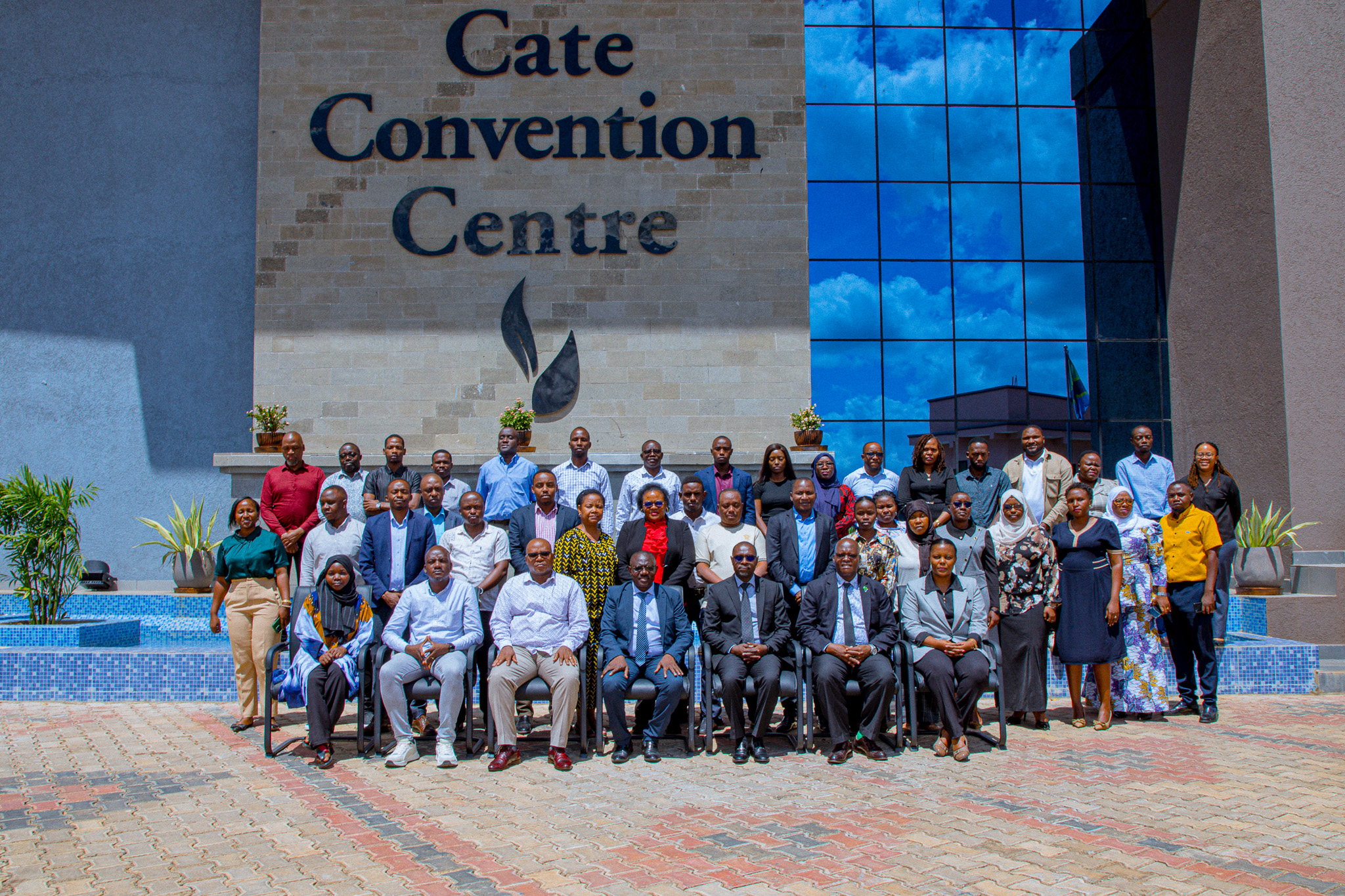
The training, held at the Cate Hotel in Morogoro, focused on critical areas of ESG Auditing and VFM Auditing in Development Projects.
A New Global Focus
Mr Magai stated that globally, ESG and VFM Audits in Development Projects are emerging as new and vital areas for effective project oversight.
He specifically highlighted the ESG auditing space, which he noted is receiving significant attention both nationally and internationally.
He explained that many projects currently funded by Development Partners are placing a strong emphasis on environmental, social, and governance considerations.
Development projects are susceptible to environmental, social, and governance issues. Auditors must ensure public resources are utilised effectively for the benefit of citizens and the nation as a whole.
“Through this training, I am confident you will gain the knowledge and skills necessary to conduct audits, identify, and control risks that threaten the execution of development projects,” said Mr Magai.
“You will also learn how to use modern auditing techniques and tools to improve the efficiency and sustainable prosperity of development projects within our respective institutions.”
Key Training Areas
The IAG added that the training syllabus extends to include Audit and Environmental Impact Assessment (EIA); Strategic Environmental Assessment (SEA); the impacts of climate change and national and international efforts to combat it; and discussions on opportunities in climate change adaptation, including carbon trading and its social, economic, and political benefits, alongside VFM auditing in project implementation.
“We all know that the internal audit profession is a vital eye for the government in identifying and highlighting operational shortcomings, managing national resources, and advising the government appropriately,” Mr Magai emphasised.
“Therefore, this training aims to empower internal auditors to conduct deep and reliable audits on the implementation of development projects, adhering to ESG and VFM criteria.”
Catalyst for Positive Change
On his part, the Chairman of the training session, Mr Jackson Kingumwile, thanked the Ministry of Finance for organising the training, noting it would help accelerate environmental preservation and contribute to achieving both government goals and the United Nations Sustainable Development Goals (SDGs 2030).
Mr Kingumwile expressed confidence that the auditors would leave with a broad understanding of how to properly scrutinise projects to ensure they do not harm the environment, thereby protecting the national ecology.
“Auditors and environmental stakeholders must observe and ensure that projects preserve the environment for a positive social and economic impact on our nation’s development,” he added.
The training is expected to be a catalyst for positive change within the internal auditing sector, strengthening auditors’ capacity to thoroughly analyse environmental, social, and governance issues in development projects.
Through this new understanding, the government anticipates greater accountability, better utilisation of public resources, and projects that yield significant benefits for citizens while safeguarding the environment and promoting social well-being.