
Dar es Salaam. Tanzania’s AFCON 2025 campaign ended with a narrow 1-0 defeat to Morocco in the Round of 16 on Sunday, January 4, 2026, but the aftermath has been shaped less by the scoreline than by renewed scrutiny of refereeing standards at the highest level of African football.
The encounter at Rabat’s Prince Moulay Abdellah Stadium was decided by a 64th-minute strike from Brahim Diaz.
For much of the match, however, Tanzania remained tactically disciplined, frustrating one of the tournament’s strongest sides and staying competitive until the closing seconds.
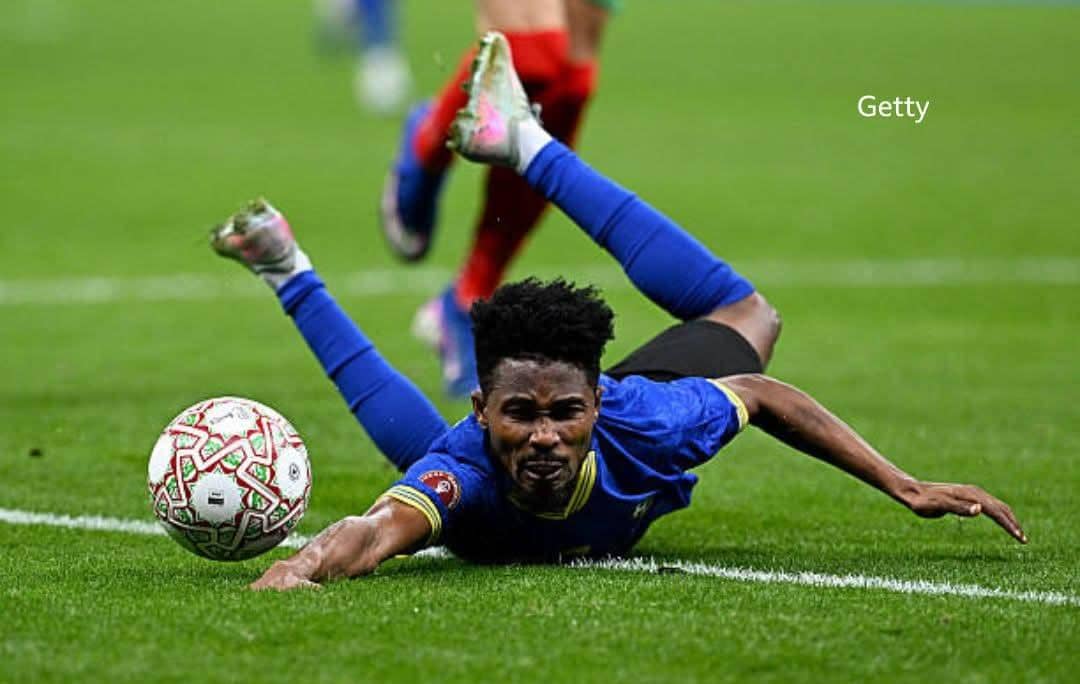
That balance was disrupted deep into stoppage time when substitute Iddi Nado went down inside the penalty area after contact with a Moroccan defender.
Referee Boubou Traore waved play on, dismissing strong appeals for a penalty and immediately shifting the narrative from tactical execution to officiating judgment.
African football supporters are increasingly associating Traore with controversy in decisive fixtures, a perception reinforced by his role in Morocco’s 1-0 victory over Tanzania.
Rather than being viewed as an isolated error, the incident has been widely interpreted as part of a broader pattern of contentious officiating affecting Tanzanian teams in high-stakes competitions.
From one controversy to the next
Concerns over refereeing in matches involving Tanzanian teams are not limited to the AFCON 2025 incident.
Over the past few years, critical decisions in international competitions have sparked debate, raising questions about the consistency of officiating and the use of technology in high-stakes fixtures.
Where was the Goal Line Technology?
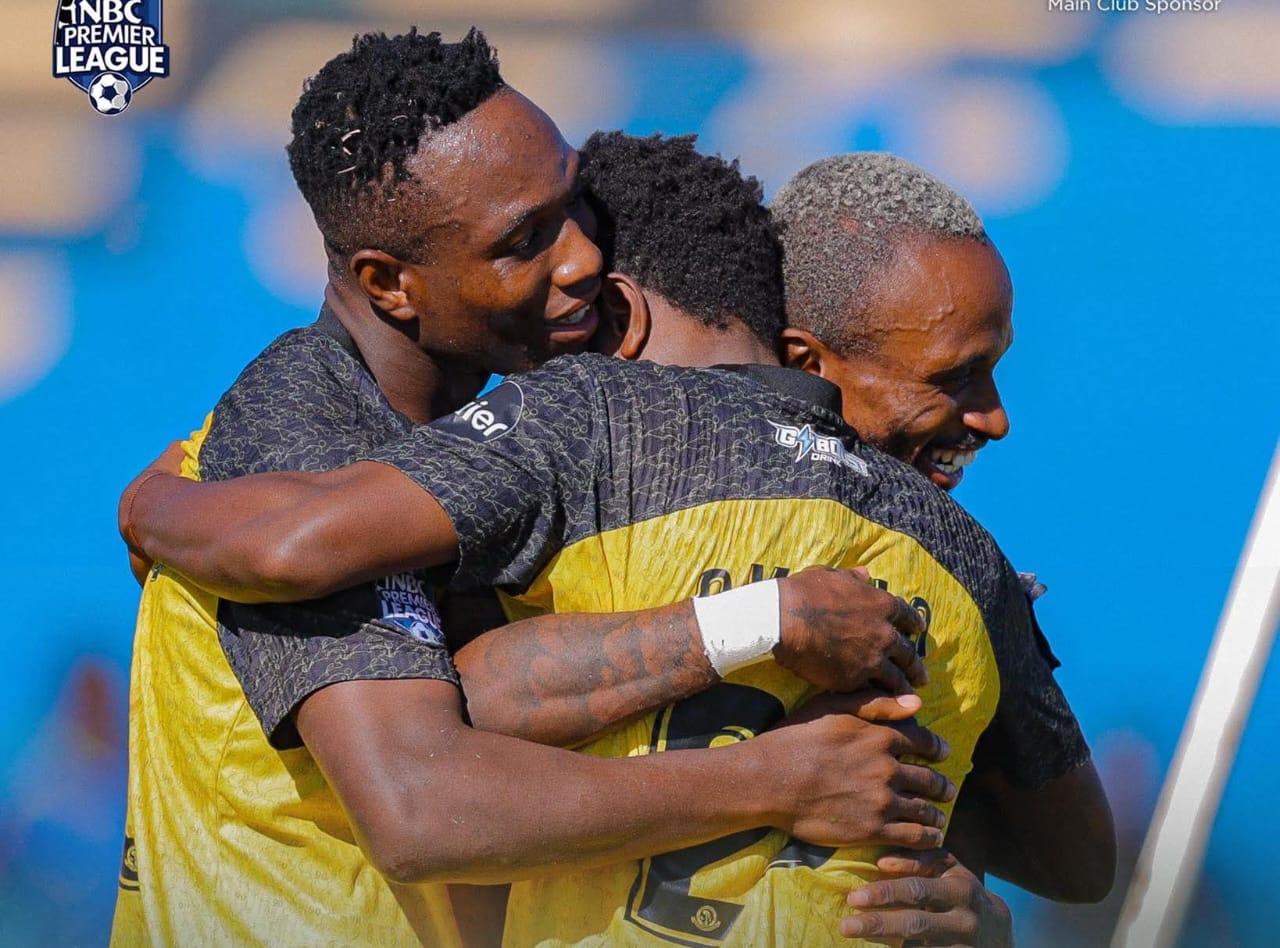
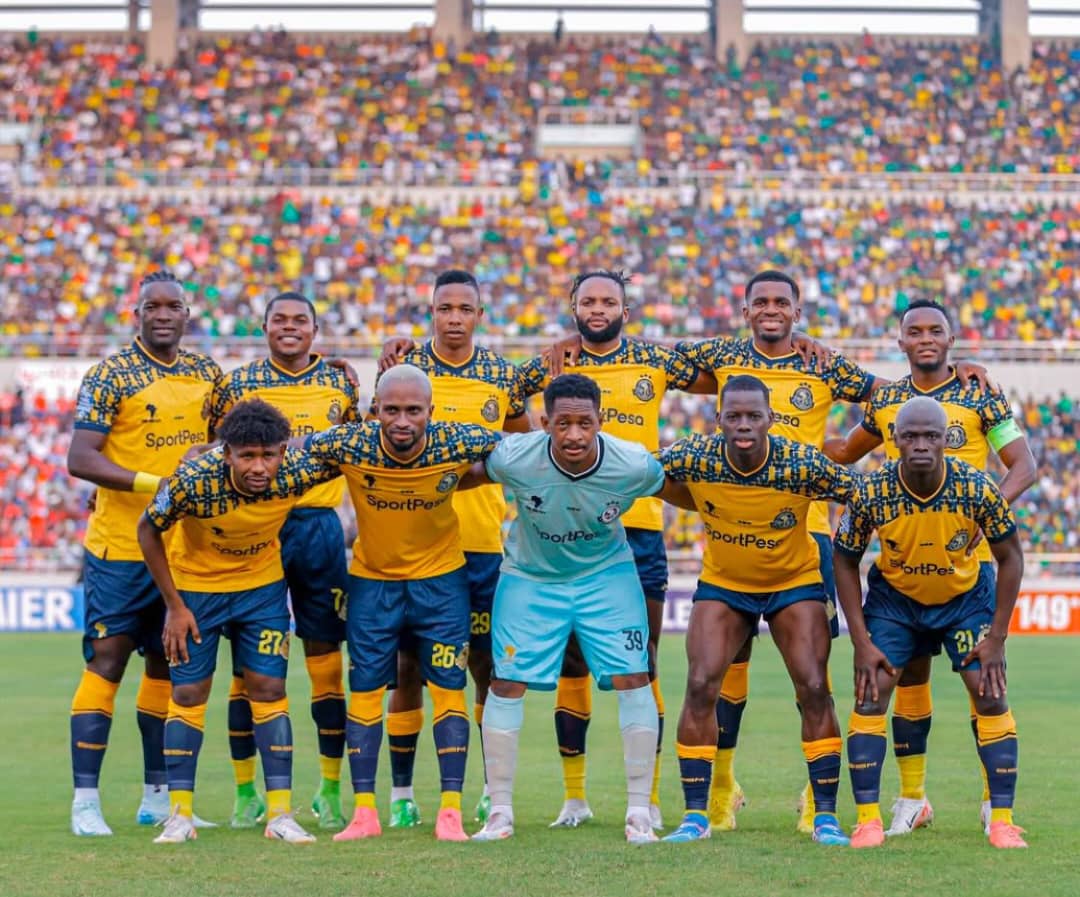
A notable example occurred during the TotalEnergies CAF Champions League quarter-final second leg between Young Africans SC (Yanga) and Mamelodi Sundowns at Loftus Versfeld on April 5, 2024.
In the 59th minute, match officials, led by referee Dahane Beida, disallowed what appeared to be a legitimate goal that could have sent the Tanzanian side into the semi-finals.
The controversy followed a powerful left-footed strike by Burkina Faso international Stephane Aziz Ki, which hit the underside of the crossbar and appeared to fully cross the goal line before bouncing out.
Despite protests from Yanga players and officials, the goal was not awarded, leaving the contest unresolved after regulation time.
The match ultimately proceeded to a penalty shootout, replicating the stalemate from the first leg and compounding frustration among Tanzanian supporters, who felt another decisive moment had been misjudged.
Then where was the VAR?
Analysts and fans immediately questioned the absence of technological review.
In modern football, such incidents are routinely checked through VAR or Goal Line Technology.
The lack of intervention in this case allowed a match-defining moment to go uncorrected, exposing gaps in CAF’s implementation of technology and raising questions about competition credibility.
Football has long been haunted by goal-line controversies, particularly before the introduction of GLT and, later, VAR.
Even today, inconsistent application across CAF tournaments exposes structural vulnerabilities, as seen in both the Yanga–Mamelodi incident and Tanzania’s AFCON 2025 penalty controversy.
“When technology exists but is not uniformly applied, controversy becomes inevitable,” said Emmanuel Okello, former CAF referee instructor.
“These moments stop being about individual error and become about governance.”
Expert analysis of the AFCON incident
Reviewing the AFCON last-16 incident, Okello said available footage indicates sufficient contact to justify a penalty.
“From a technical perspective, the attacker is impeded inside the box,” he said. “In knockout football, these moments are decisive. Errors at that stage influence results and confidence in competition integrity.”
Former Taifa Stars captain Mrisho Ngasa highlighted the psychological impact on players.
“Tanzania fought with discipline and courage. When defining moments are dismissed, it reinforces the perception that underdog teams must be flawless to survive.”
VAR inconsistency deepens the debate
Football analyst and VAR specialist Asha Kweka noted that inconsistent application of technology continues to undermine officiating credibility.
“At this level, penalty-area incidents are routinely checked. When VAR is unavailable or inconsistently applied, refereeing decisions carry disproportionate weight and leave room for avoidable controversy,” Kweka said.
Tanzania’s performance overshadowed
Despite elimination, Tanzania earned praise for a tactically mature display under head coach Miguel Gamondi.
His compact three-centre-back system limited Morocco’s attacking space, while disciplined midfield pressing disrupted rhythm for long spells.
“We stayed organised and competitive against one of Africa’s strongest teams,” Gamondi said.
“The result does not fully reflect the performance.” However, he acknowledged the decisive impact of the refereeing decision: “At this level, one moment can change everything.”
Why CAF must act now
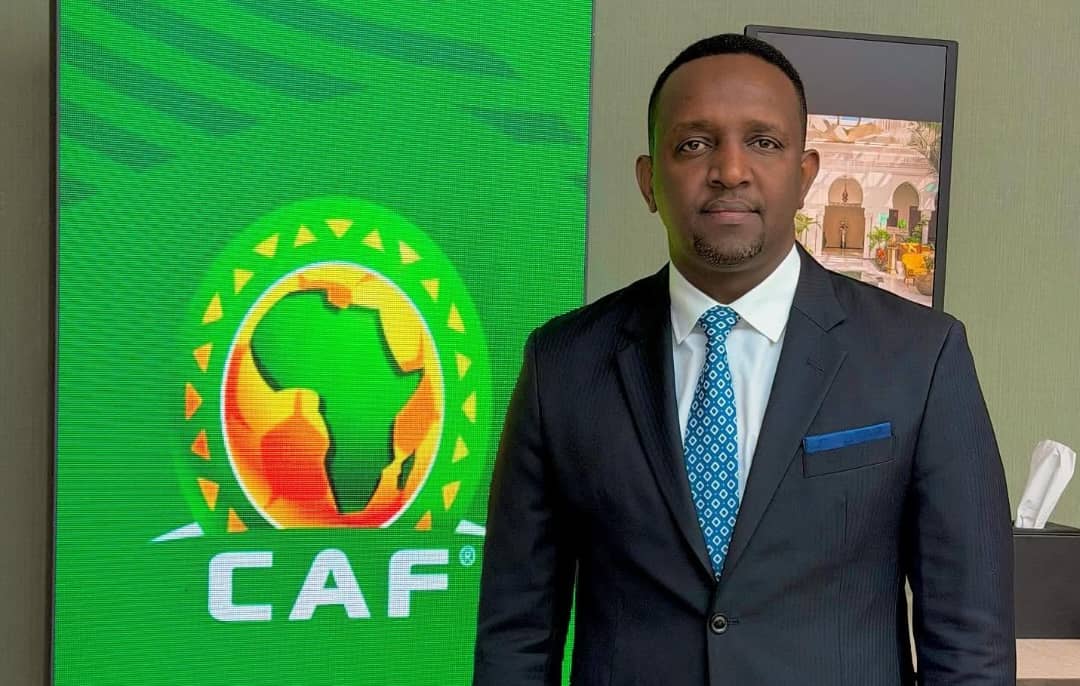
Analysts argue that the recurring nature of officiating controversies demands proactive institutional action from the Confederation of African Football (CAF).
For the sake of competitive integrity, CAF should strengthen referee evaluation and appointment mechanisms for high-stakes fixtures, ensuring officials selected for knockout matches demonstrate consistent performance under pressure.
Enhanced post-match reviews, transparent assessment criteria, and independent officiating audits for controversial games would help restore trust.
To avoid recurring perceptions of inconsistency or bias, CAF should standardise VAR usage across all AFCON knockout matches and clearly communicate review protocols.
Inconsistent application of technology risks shifting attention from football performance to governance failures.
CAF is also urged to implement referee rotation and rest policies when officials are repeatedly involved in high-profile controversies — not as punitive measures, but as safeguards to protect both referees and the credibility of competitions.
“When controversy becomes repetitive, intervention becomes necessary,” Okello said. “CAF must protect the integrity of the tournament, the referees, and the teams.”
Looking ahead to AFCON 2027
As Tanzania turns focus toward AFCON 2027, which it will co-host with Kenya and Uganda, analysts argue that the episode offers both footballing and governance lessons.
On the pitch, the Taifa Stars demonstrated tactical growth and mental resilience.
Off the pitch, the match highlighted persistent governance challenges that African football must address to ensure fairness at elite levels.
Gamondi framed the defeat as part of a longer-term journey: “These moments test character. What matters is how we learn, improve, and prepare for what comes next.”