
In any organization, public or private, the transition from recruitment to effective performance is a critical phase, and induction programmes serve as a vital bridge, introducing new employees not only to their roles but also to the rules, values, and standards that govern their work
In the public service, where accountability, ethics, and safety are paramount, structured induction is not optional; it is foundational.
It ensures that employees understand how to perform their duties correctly while minimising risks to themselves and their institutions.
This is particularly vital in Tanzania, where the Office of the Treasury Registrar (OTR) oversees all public entities, ensuring uniform standards, ethical conduct, and effective service delivery across the sector.
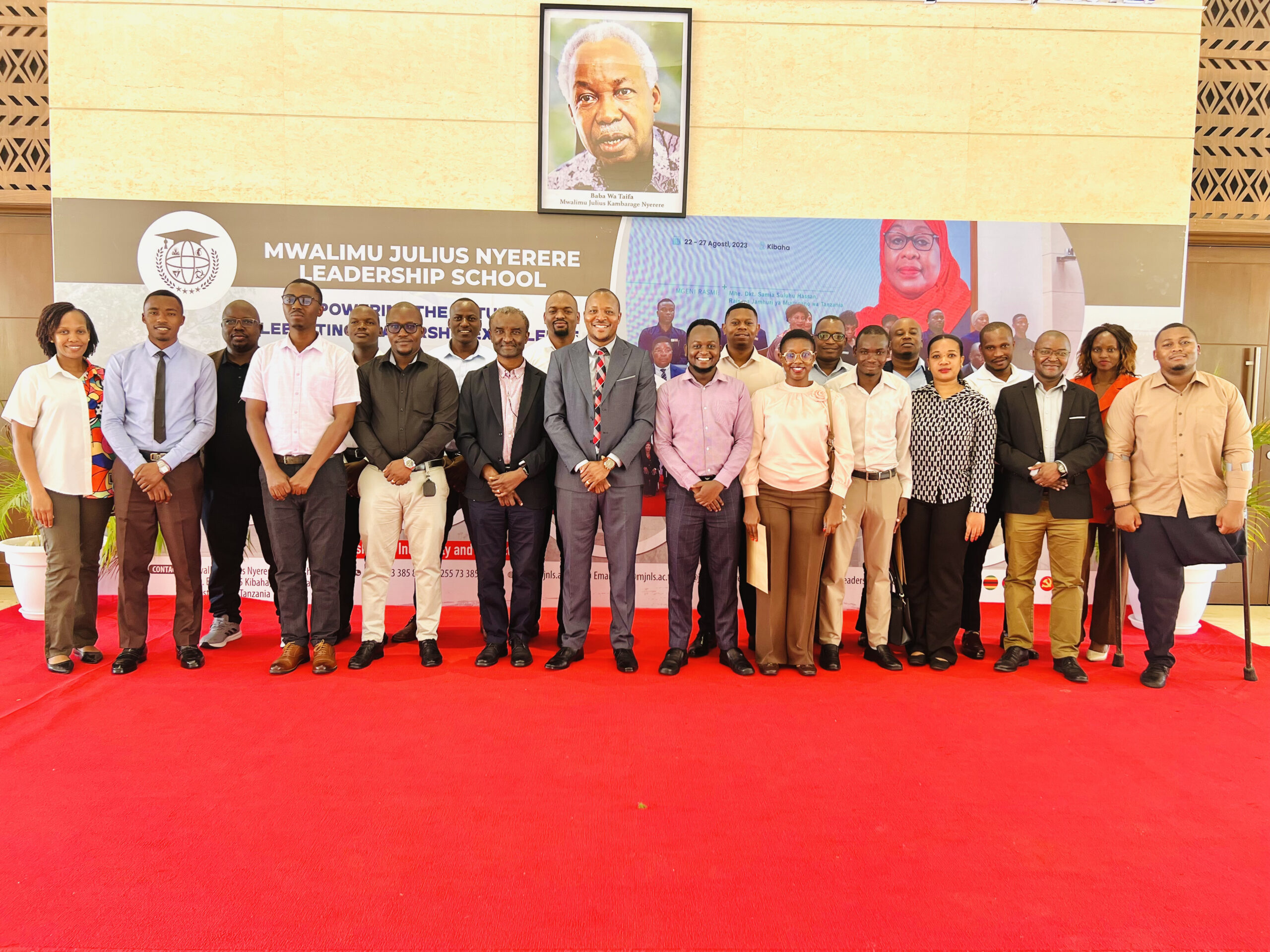
It is against this backdrop that the OTR launched a 14-day induction programme for its 20 newly recruited employees.
The programme began with a four-day residential session from January 13 to 16, 2026, at the Mwalimu Nyerere Leadership School in Kibaha District, Coast Region, conducted in collaboration with the Tanzania Public Service College (TPSC).
This initial session provided participants with a solid foundation for safe, ethical, and efficient public service delivery across all entities under OTR’s oversight.
Following the residential session, the induction programme will continue for 10 days at the OTR offices, starting January 19.
This phase allows participants to gain a deeper understanding of the Office’s operations and responsibilities, reinforcing the skills and knowledge acquired during the initial session.
By continuing the induction in the workplace, the programme also provides the organisation with an opportunity to set the tone for a productive and engaged employee journey, fostering trust, building culture, and empowering employees to contribute meaningfully from day one.
Research has proven that the first days and months of a new worker’s experience are vital to employee retention.
A recent study by research and analyst firm Brandon Hall Group found organisations with strong onboarding processes are up to 103 percent more likely to see improvements in key metrics like new hire retention and employee engagement.
Globally, organisations increasingly recognise that induction is not a one-off event but a strategic process.
Leading companies and public institutions around the world combine formal orientation with mentorship, ongoing support, and follow-up training.
This structured approach ensures employees understand organisational culture, operational procedures, safety standards, and ethical expectations.
Such practices reduce early confusion, improve confidence, accelerate productivity, and boost engagement, outcomes that Tanzania’s public sector can adopt to strengthen uniformity, efficiency, and professionalism across all public entities under OTR’s supervision.
Recruitment alone does not guarantee effectiveness.
Without proper orientation, new employees are often expected to integrate quickly, learning systems, procedures, and institutional culture on the job.
Some organisations view induction as a chance to welcome new staff, while others avoid the process altogether, expecting employees to “pick up” vital information on their own.
While this approach may appear efficient, it exposes institutions to operational errors, reduced productivity, unnecessary stress, and, in some cases, non-compliance with laws and regulations.
Structured induction, by contrast, equips employees with the knowledge, guidance, and confidence they need to perform effectively, safely, and responsibly from the outset.
A strong induction programme provides a solid foundation for new employees, reducing anxiety and stress, building confidence, enhancing morale, and clarifying exactly what is expected in day-to-day responsibilities.
Whether conducted over a few hours, several days, or weeks, induction ensures that staff understand the organisation, their role, occupational safety requirements, and codes of conduct.
The induction went beyond welcoming new staff into the institution.
It focused on equipping participants with practical knowledge of OTR’s mandate, public service laws and regulations, codes of conduct, and performance expectations.
By providing clear guidance from the outset, the programme reduced confusion, frustration, and stress while enhancing employee confidence, engagement, and morale.
Facilitated by the Director of Administration and Human Resources Management at OTR, Mr Chacha Marigiri, the programme brought together a multidisciplinary team of expert trainers.
During the training, Mr Marigiri emphasised the importance of effective time management, urging participants to strike a healthy balance between professional responsibilities and personal life to enhance productivity and avoid work-related challenges.
“Many public servants struggle to perform effectively due to poor time management and a failure to set clear priorities,” he noted.
Speaking at the opening of the programme on behalf of TPSC, Mr Hosea George, a lecturer at the College, said the training was specifically designed to equip new public servants with essential skills and values required in the public sector.
“This programme seeks to contribute to government effectiveness by strengthening the capacity of public entities under the supervision of the Office of the Treasury Registrar,” he said.
The programme also addressed workplace health issues, including HIV/AIDS and non-communicable diseases, mental health awareness, performance management, as well as financial literacy and savings.
Delivering a session on health, Dr Frank Mlaguzi from Mnazi Mmoja Hospital in Dar es Salaam urged public servants to take proactive measures to safeguard their health against communicable and non-communicable diseases such as diabetes, hypertension, hepatitis, and mental health conditions.
“Such illnesses significantly affect work performance,” he cautioned.
Financial and investment expert from UTT Asset Management and Investor Services (UTT AMIS) conducted a session on financial literacy, savings, and practical management of personal finances, providing participants with essential tools to maintain stability, focus, and integrity at work.
Participants were also introduced to the structure and functioning of the Government of Tanzania for both Mainland Tanzania and Zanzibar, as well as ethics and professionalism in the public service.
By clearly outlining institutional hierarchies, reporting lines, and accountability mechanisms, the induction helped prevent the risks associated with “learning on the job,” where employees may inadvertently follow incorrect practices or procedures.
At the closing ceremony, Mr Marigiri presented certificates to participants and commended TPSC for delivering relevant and impactful training, stating that the programme would help nurture disciplined, ethical, and competent public servants.
One of the participants, Mr Goodluck Mtebene, a newly recruited officer in the Directorate of Finance and Accounting at OTR, expressed appreciation to OTR and TPSC for organising the training.
“The programme has provided us with a clear and practical understanding of public service. We are committed to upholding the ethical standards and principles we have been taught as we carry out our duties,” he underscored.