
r
Mwanza. Central banks from the East African Community (EAC) have visited the Bank of Tanzania (BoT) branch in Mwanza to study the implementation of Tanzania’s gold purchase and trading programme.
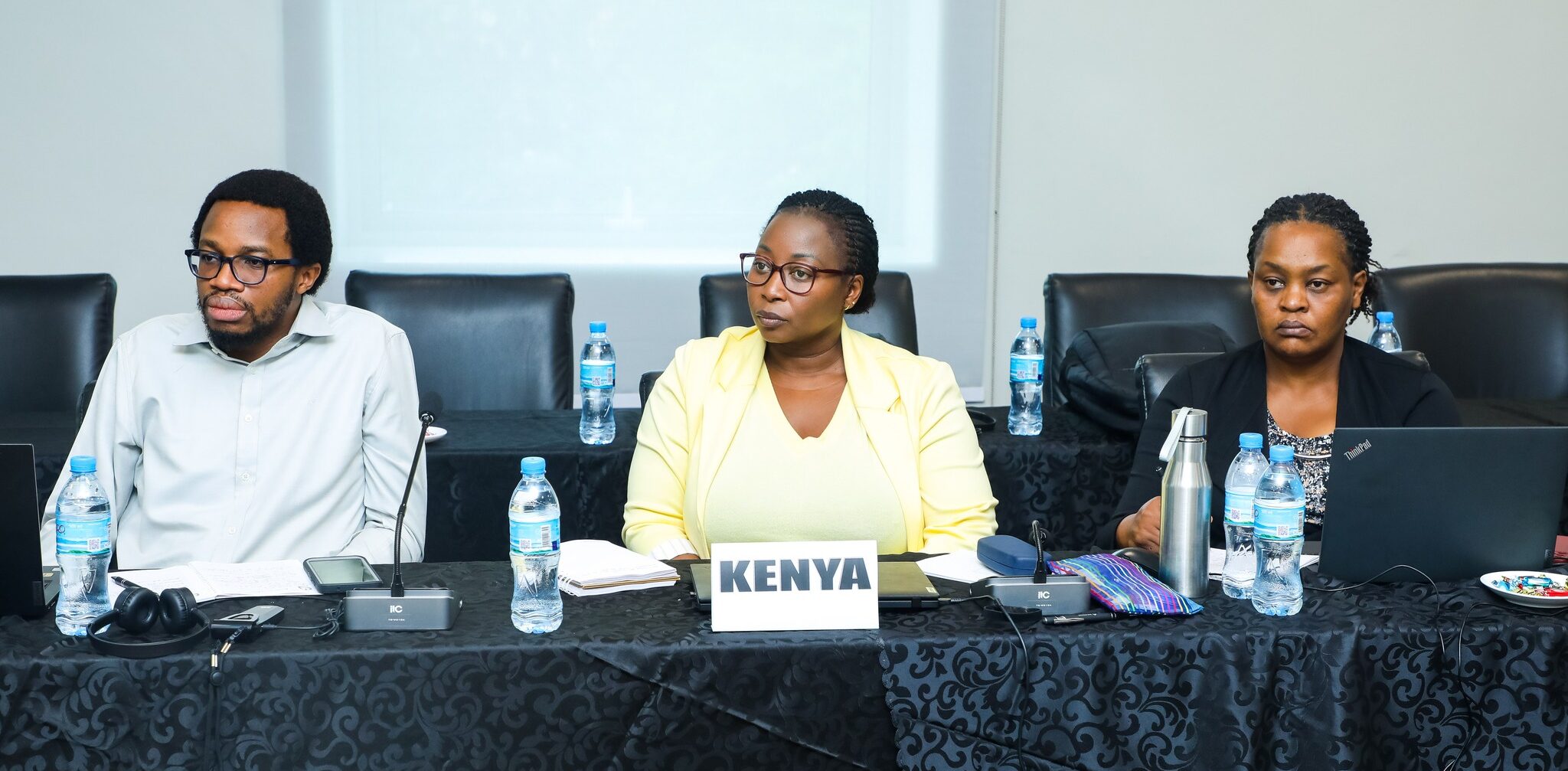
The visiting delegations came from Kenya, Uganda, the Democratic Republic of Congo (DRC), Burundi, Somalia, and South Sudan.
The visit followed a directive issued during the 28th meeting of the EAC Monetary Affairs Committee (MAC), held in May 2025.
The committee instructed the Bank of Tanzania to build the capacity of other central banks in the region on the operational and policy framework of gold purchasing and trading.
BoT has recorded significant progress since the programme was launched in October 2024.
Speaking at the opening session of the visit, the Principal of the Central Banking Institute, Dr Nicas Yabu, said the programme was designed to diversify sources of foreign exchange reserves and strengthen reserve levels.
He said the global economic environment had become increasingly volatile with geopolitical tensions and financial market uncertainties that has made it necessary for central banks to rethink their reserve management strategies.
“In the current global economic climate, it is critical to leverage the natural resources available in our region, particularly gold, to enhance and diversify our foreign exchange reserves and to strengthen the overall resilience of our economies,” said Dr Yabu.
He said gold has re-emerged as a strategic reserve asset that many central banks worldwide were increasingly using to hedge against external shocks and currency fluctuations.
Dr Yabu said the rising geopolitical tensions has compelled central banks to expand their gold reserves through active purchases.
He said the Bank of Tanzania adopted a structured and transparent framework to support domestic gold production while strengthening national reserves.
As of February 12, 2026, BoT had purchased 19.38 tonnes of gold valued at $3.07 billion.
He said the programme had already made a notable contribution to Tanzania’s foreign reserve position.
He added that the initiative also supported the formalisation of the gold sector and improved traceability within the domestic gold supply chain.
Dr Yabu said the programme had enhanced transparency and efficiency in gold trading. He said it had strengthened collaboration between the central bank, miners, refiners, and exporters.
He said BoT had invested heavily in operational systems, risk management tools, and staff capacity to ensure the integrity of the programme.
He said the central bank was ready to share its experience, lessons, and best practices with regional counterparts.
The visiting officials were briefed on the regulatory framework, operational processes, valuation methods, quality control mechanisms, and risk management structures guiding the programme.
They also received detailed presentations on procurement procedures, storage systems, transportation arrangements, and security protocols.
BoT officials explained how the programme had been integrated into broader reserve management and monetary policy operations.
They said gold purchases were conducted in a manner that safeguarded price stability and liquidity management.
They said the programme had also supported Tanzania’s broader industrialisation and mining sector reforms.
The BoT launched the gold purchase programme in October 2024 as part of efforts to strengthen foreign exchange reserves, stabilise the shilling, and reduce exposure to external financial shocks.
Before the programme, Tanzania’s foreign reserves were mainly held in foreign currencies and government securities.
The move towards gold was intended to introduce asset diversification and enhance long-term reserve stability.
Under the programme, BoT purchases refined gold directly from licensed domestic refiners and large-scale producers at international market prices.
The gold is then added to the national reserve portfolio.
The programme also aims to support local beneficiation by encouraging domestic refining instead of exporting raw gold.
This approach has stimulated investment in refining capacity and created new value chains within the mining sector.
Officials said the initiative had contributed to increased formalisation of gold trading, reduced smuggling, and improved compliance with international standards.
They said the programme had also helped improve data quality in the mining and export sectors.
During the visit, participants toured the Mwanza Precious Metals Refinery and a gold processing plant in Geita Region.
The study tour, which ran from February 16 to 20, 2026, allowed participants to observe refining processes, quality testing procedures, and gold bar production.
They also visited storage and security facilities used for reserve management.
Officials said the visits provided practical insights into operational systems and logistical arrangements.
Participants praised BoT’s structured approach and technical capacity.
They said the programme offered valuable lessons for other EAC central banks seeking to introduce or expand gold reserve strategies.
They said regional collaboration in reserve management would strengthen financial stability and economic resilience across the bloc.
They added that closer cooperation would also promote harmonisation of standards, cross-border trade transparency, and collective capacity building.
BoT officials said the central bank remained committed to regional cooperation and knowledge sharing.
They said the programme would continue to evolve in line with global market developments and domestic economic priorities.
They added that gold would remain a strategic pillar of Tanzania’s reserve management policy.
The EAC Monetary Affairs Committee said it would continue to support initiatives aimed at strengthening financial stability, reserve adequacy, and macroeconomic resilience across the region.
It said the exchange of technical expertise among central banks was essential for building a robust and integrated regional financial system.