
Victoria Falls. The Southern African Development Community (SADC) has expressed significant interest in Tanzania’s strategic approach to accelerating the adoption of clean cooking energy.
This recognition follows the Tanzanian government’s decision to remove taxes and provide subsidies for essential equipment.
These measures specifically target gas cylinders and efficient stoves alongside extensive public awareness campaigns.
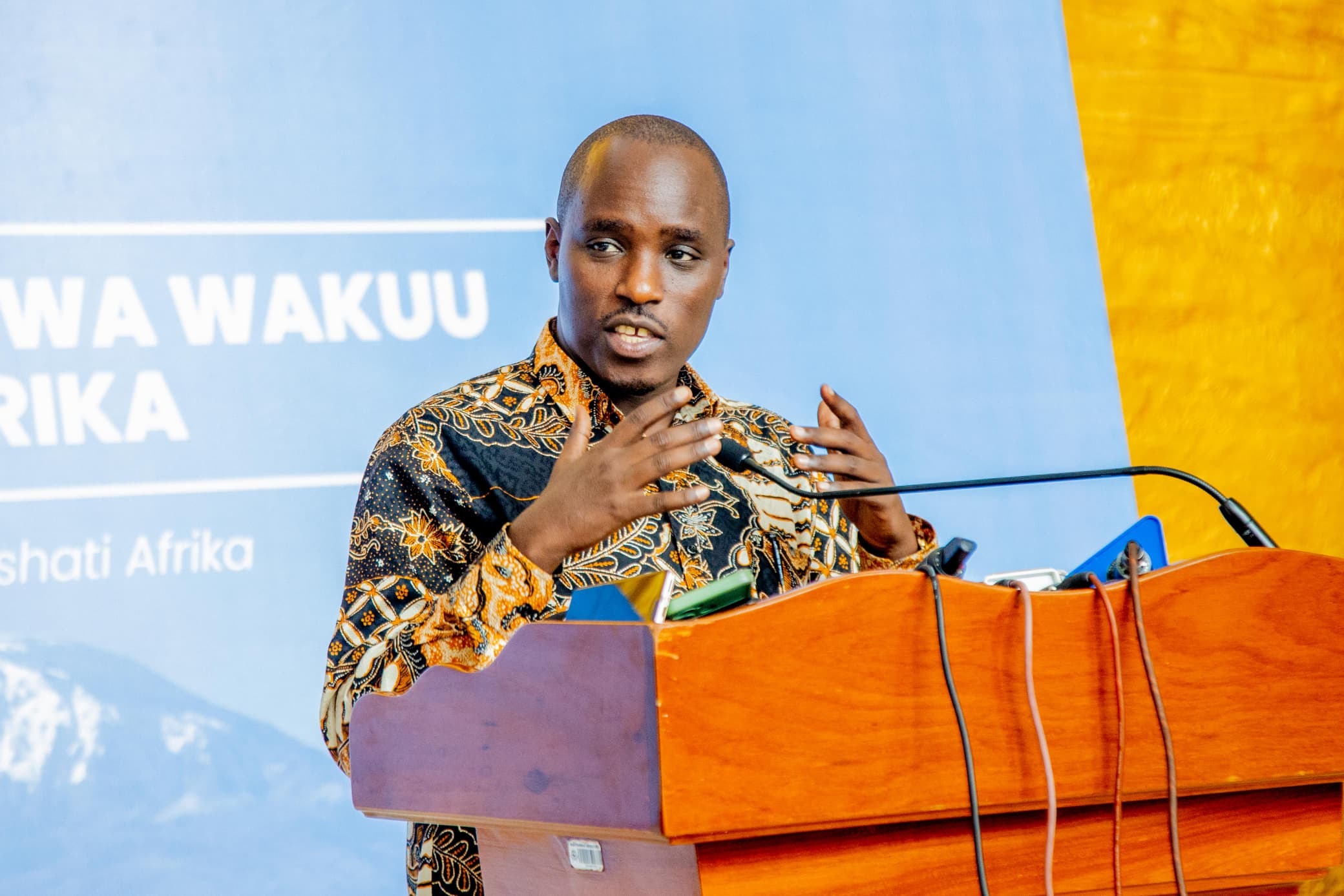
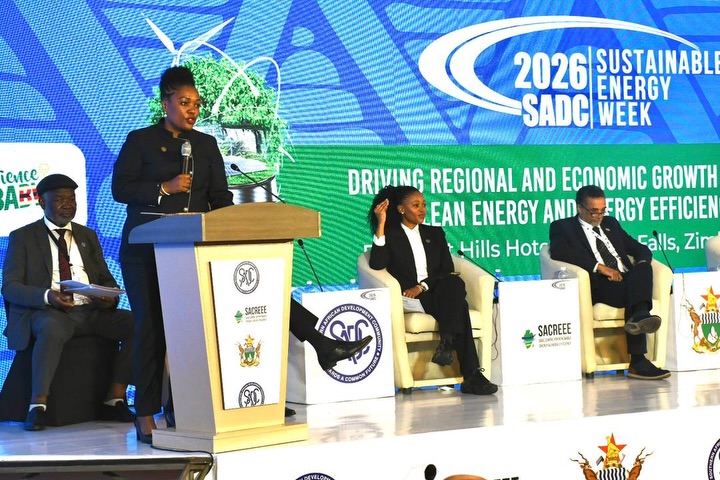
Speaking at a ministerial dialogue on sustainable energy in Victoria Falls, Zimbabwe, Tanzania’s Deputy Minister for Energy, Ms Salome Makamba, detailed the nation’s ambitious roadmap.
Tanzania aims for 80 percent of its population to use clean cooking energy by 2034.
A more immediate national energy plan targets a 75 percent transition rate by 2030.
The government has placed a particular emphasis on large-scale institutions that serve over 100 people.
This initiative includes prisons, military camps, schools, and major markets.
By installing clean energy systems in these facilities, the government has introduced a creative solution with immediate positive impacts.
This targeted institutional shift is viewed as a cornerstone of the broader national strategy.
Significant progress has also been recorded in rural electrification.
Electricity has now reached all 12,318 villages in Mainland Tanzania, raising the overall national access rate to 85.5 per cent.
The country’s current generation capacity stands at 4,437 megawatts.
Officials expect this figure to rise to 8,000 megawatts by 2030 to meet growing industrial and domestic demand.
The Executive Secretary of SADC, Elias Magosi, praised Tanzania for leading regional efforts in clean energy promotion.
He noted that these initiatives stimulate vital social, economic, and environmental changes across all development levels.
Such leadership serves as a model for other member states within the Southern African region.
The SADC Sustainable Energy Week was officially opened by the Vice President of Zimbabwe, Constantino Chiwenge.
During his remarks, he emphasised the urgent need for African nations to harness renewable energy resources.
He argued that these resources are essential catalysts for long-term economic development and regional stability.