
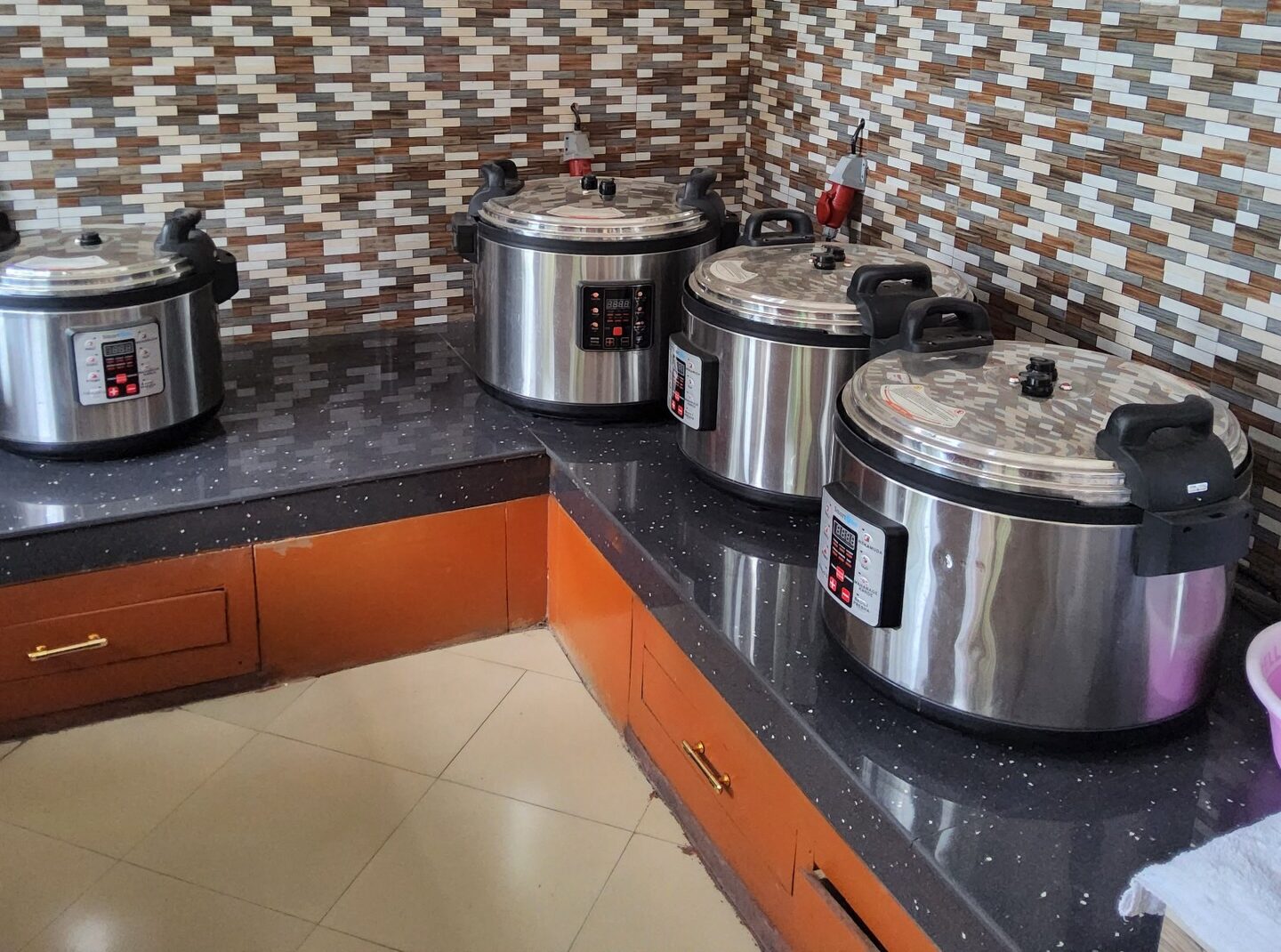
Dar es Salaam. Thirteen primary schools in Temeke District are set to begin cooking students’ meals using electricity, a shift expected to significantly reduce the cost of preparing food while improving hygiene and efficiency in school kitchens.
The initiative replaces the use of firewood with electric cooking systems and forms part of a broader programme aimed at promoting clean cooking energy in learning institutions.
The project is being implemented through a partnership involving the ministry of Energy, the Temeke District Department of Pre-Primary and Primary Education, and the World Food Programme (WFP).
School authorities say the transition is already demonstrating tangible financial and operational benefits, including lower daily cooking expenses and faster preparation of meals for pupils.
Speaking during an inspection visit to the project at Kibasila Primary School, the school’s head teacher, Halima Rukumbwe, said the institution had previously relied on firewood to prepare meals for hundreds of pupils, a practice that required substantial daily expenditure.
She explained that before the introduction of electric cookers, the school spent between Sh20,000 and Sh25,000 per day to prepare food for approximately 450 pupils.
The meals include morning porridge and tea, as well as lunch consisting mainly of rice and beans.
However, since the introduction of electric cooking equipment, the cost has fallen markedly to between Sh8,000 and Sh10,000 per day.
According to Ms Rukumbwe, the current amount also covers electricity used to operate the school’s water pump, which supplies water for various activities within the school compound.
“Beyond lowering operational costs, the cooks are now able to prepare food in a shorter time and under cleaner conditions,” she said.
She added that the improved cooking system has helped ensure meals are prepared on time, which has positively influenced pupils’ attendance.
“Students are now more motivated to attend classes because meals are served promptly,” she said, noting that the availability of reliable school meals plays an important role in maintaining regular attendance.
Officials overseeing the programme say the Temeke project is part of a broader national effort to promote the adoption of clean cooking technologies in public institutions, particularly schools that serve large numbers of children.
Speaking on behalf of the Ministry of Energy’s Clean Cooking Energy Unit, Omar Khalifa said the project is currently being implemented in four regions during its first phase.
The regions include Dar es Salaam, specifically Temeke District; Dodoma Region in Dodoma Urban District; Tabora Region in Tabora Urban District; and Kigoma Region.
Mr Khalifa said the project aims to demonstrate how modern energy solutions can improve efficiency and reduce dependence on traditional fuels such as firewood, which are often associated with environmental degradation and higher operational costs.
He noted that schools are among the institutions that stand to benefit significantly from the adoption of clean cooking technologies due to their large-scale meal preparation needs.
Meanwhile, food systems advisor with the World Food Programme, Dr Geoffrey Ngegwa, said the initiative is already underway in 13 schools within Temeke District in Dar es Salaam Region.
Dr Ngegwa said the project seeks to improve the sustainability of school feeding programmes while ensuring that meals are prepared in a safer and more efficient manner.
He explained that switching to electric cooking technologies also supports wider national goals of expanding access to clean energy and reducing reliance on biomass fuels.
Education officials believe that if the pilot proves successful, the initiative could be expanded to more schools across the country, particularly in areas where school feeding programmes are already in place.
The transition is also expected to ease pressure on school budgets that have historically been strained by the rising cost of firewood and other traditional fuels.
By reducing operational costs and improving efficiency, stakeholders say the adoption of electric cooking technology may offer a practical pathway toward more sustainable and reliable school feeding systems in Tanzania’s public education sector.