
Dar es Salaam. Tanzania has begun assembling metre gauge railway (MGR) locomotives locally at the Pugu railway workshop in Dar es Salaam, in a move seen as a milestone in building domestic railway engineering capacity.
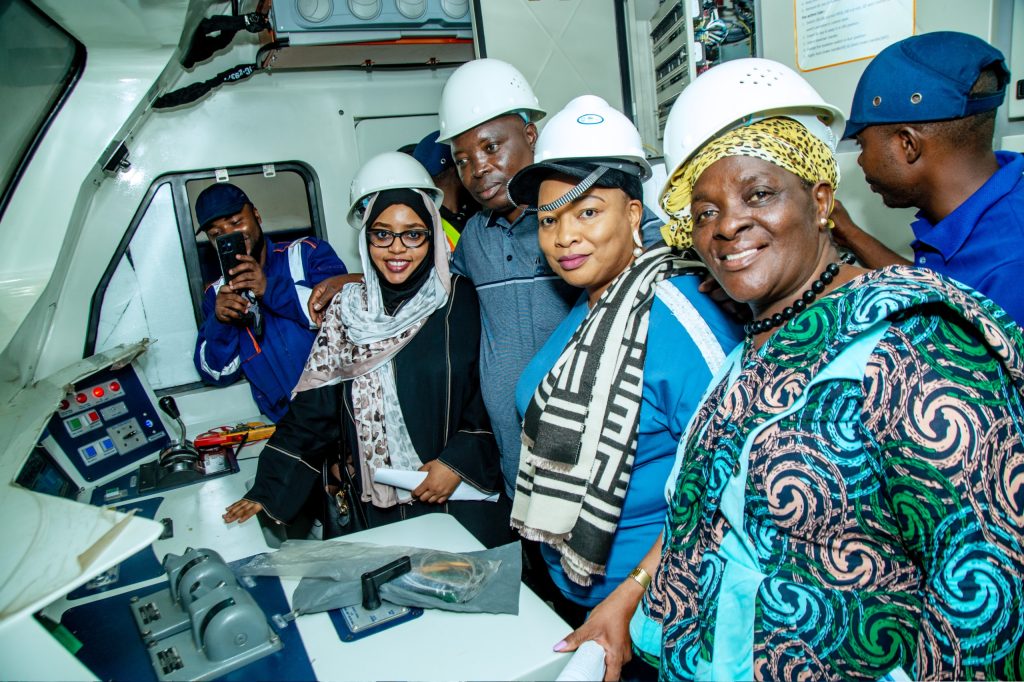
Members of the Parliamentary Standing Committee on Infrastructure visited the workshop on March 14 to inspect locomotive assembly project being implemented by the Tanzania Railways Corporation.
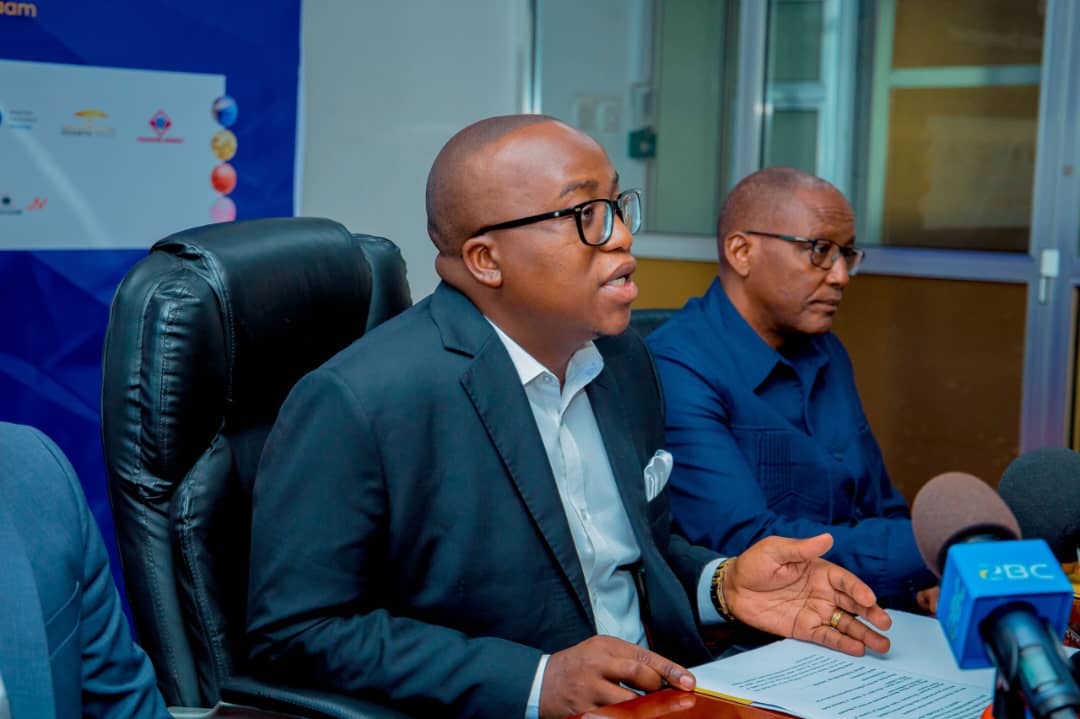
The committee, led by its chairperson Selemani Kakoso, praised the initiative and said the project demonstrates the country’s growing technical capability in railway operations and maintenance.
Mr Kakoso said the committee was encouraged by the progress made at the Pugu workshop, where Tanzanian technicians are assembling locomotives that will operate on the country’s metre gauge railway network.
He said the lawmakers were particularly impressed by the role played by young engineers and technicians involved in the project.
The committee urged TRC to continue building the capacity of the youths by offering them structured training programmes both locally and abroad to expand their technical knowledge, skills and innovation.
“We encourage the corporation to give these young technicians opportunities for further training, including overseas exposure, so they can deepen their expertise and improve efficiency in their work,” Mr Kakoso said.
He also called on TRC to prioritise employment opportunities for the trained youths so they can continue serving the railway institution and the country.
Mr Kakoso commended TRC and its Director General, Machibya Shiwa, for spearheading the initiative, noting that the local assembly of locomotives marks a first in the country’s railway history.
According to the committee, the project followed delays in the delivery of spare parts from international suppliers after the outbreak of the Russia–Ukraine War.
Due to the disruptions, TRC opted to ship two fully assembled locomotives from Malaysia while transporting the remaining components to Tanzania to enable the assembly of six locomotives at the Pugu workshop.
The decision to assemble locomotives locally has helped reduce costs that the government would otherwise have incurred by importing fully built units.
The initiative has also created employment opportunities for young Tanzanians with technical skills while strengthening local expertise in railway engineering.
He further urged employees of TRC to remain patriotic in serving the corporation, safeguard public resources and avoid acts that could undermine the institution.
Meanwhile, the Deputy Minister for Transport, David Kihenzile, commended the government for continuing to invest in the transport sector through improved infrastructure and acquisition of modern railway equipment.
He said the government remains committed to strengthening the sector in order to support economic growth and improve connectivity.
Mr Kihenzile also praised President Samia Suluhu Hassan for prioritising the development of transport infrastructure in the country.
He noted that the government is continuing with the construction of more than 2,290 kilometres of the Standard Gauge Railway Tanzania while also procuring locomotives and wagons to improve railway services.
Earlier, TRC director general, Mr Shiwa briefed the parliamentary committee on the benefits of the locomotive assembly project involving Class 91XX MGR locomotives at the Pugu workshop.
He said the initiative has already created employment opportunities, with 34 young Tanzanians who were previously unemployed now hired through the project.
Mr Shiwa added that the project has also generated business opportunities for local suppliers providing materials and services used in the assembly process.
These include operators of metal machining equipment, suppliers of construction materials, vendors of bolts and nuts, electrical components and pipes, as well as suppliers of lubricants and rubber products.
He said the project demonstrates how investment in railway infrastructure can stimulate local industry while building technical capacity within the country’s transport sector.