
Dodoma. The government has unveiled a range of development projects and investment opportunities in the mining sector aimed at increasing youth participation during the 2026/2027 financial year.
The initiatives were announced by the Mining Commission as part of broader efforts to create a more enabling environment for young people to engage in mineral exploration, extraction and trade.
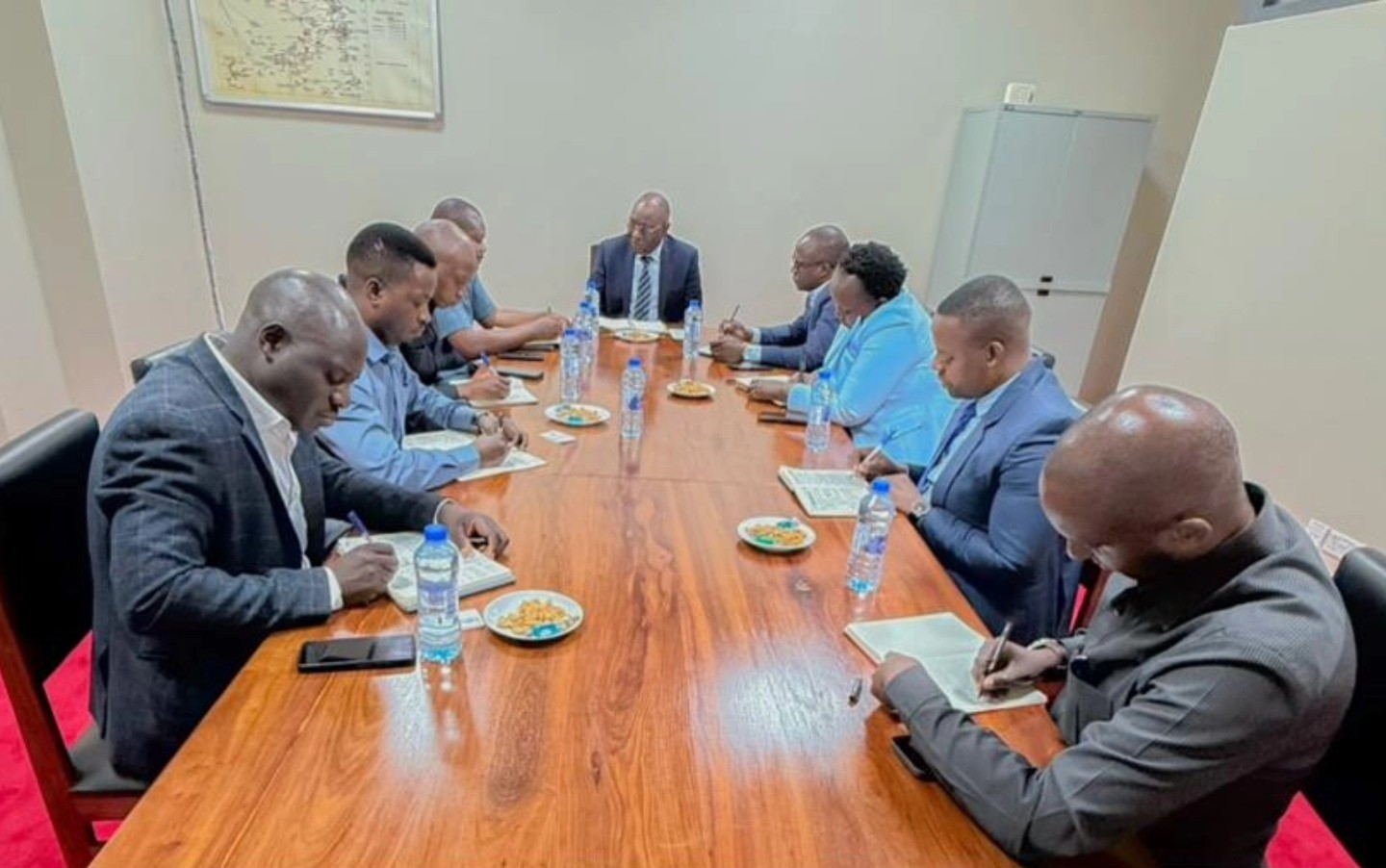
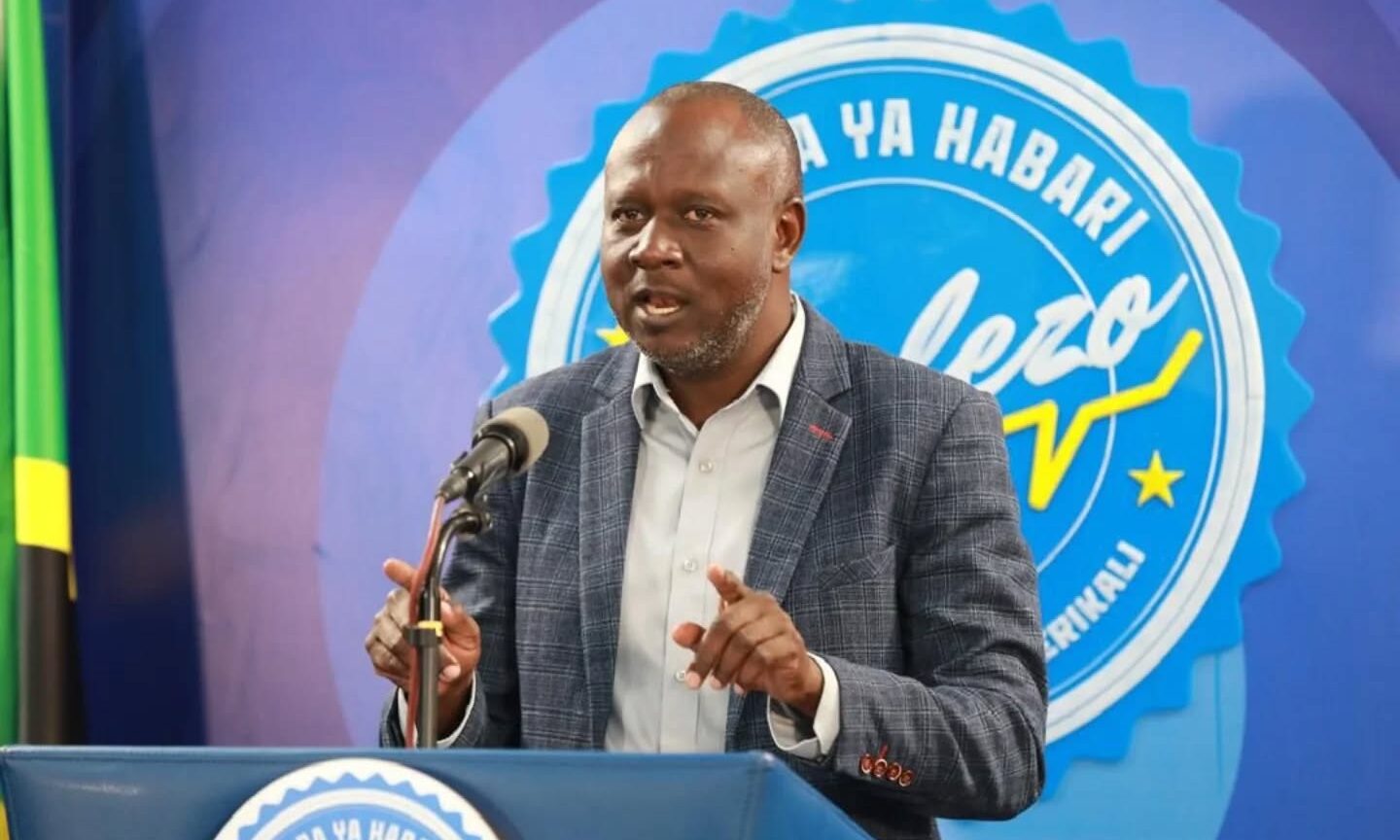
Speaking to journalists in Dodoma on March 16, 2026, the Director of Mine Inspection and Environment at the commission, Hamisi Kamando, said the plans would expand opportunities for young Tanzanians to participate in mining activities and related businesses.
He spoke on behalf of the Executive Secretary of the commission, Mr Ramadhani Lwamo.
According to Mr Kamando, the commission has prepared several measures designed to strengthen youth involvement in the mining industry, particularly in small-scale mining and associated services.
Among the initiatives is the continued construction of regional offices for Resident Mining Officers across the country.
The projects will be implemented through public tenders that will soon be announced.
He urged young people to closely follow the procurement processes and take advantage of the opportunities that will arise during the implementation of these projects.
“The construction projects will open doors for youth-owned enterprises in areas such as building works, supply of materials and provision of services,” he said.
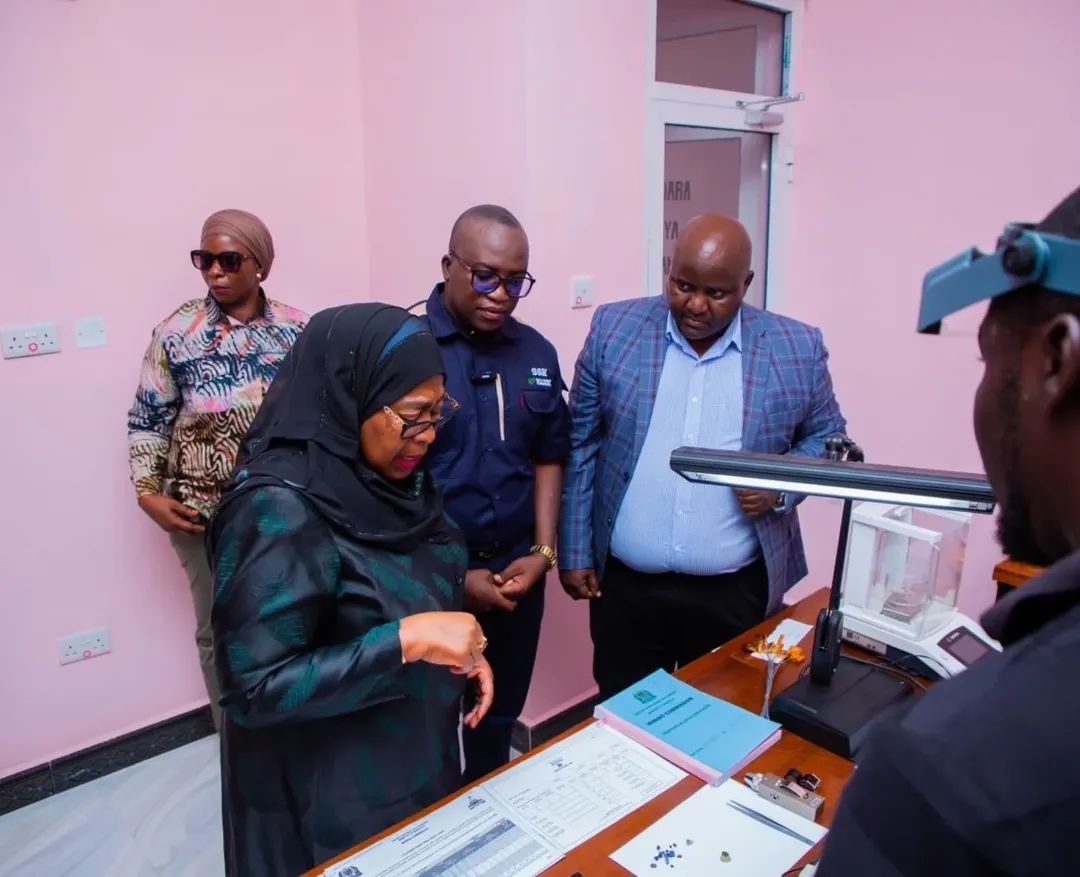
The commission also plans to continue organising gemstone auctions and mineral exhibitions.
These platforms will enable miners and traders to access markets and showcase the country’s mineral wealth.
In addition, more mining areas will be designated for youth in various regions depending on the types of minerals available in those locations.
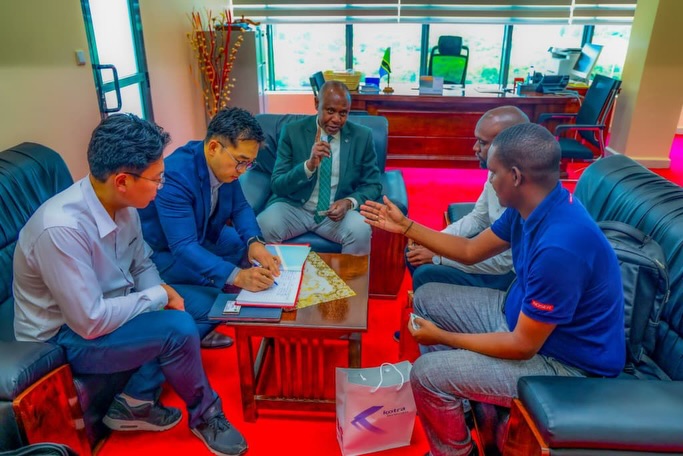
Mr Kamando said the commission is working closely with the Geological Survey of Tanzania (GST) and the State Mining Corporation (Stamico) to improve access to geological data and strengthen technical skills among young miners.
The collaboration also aims to train young people in the use of modern equipment and technologies for mineral exploration and extraction.
Furthermore, the commission is engaging financial institutions, including CRDB Bank, to establish mechanisms that will enable youth to access capital for investment in mining projects.
Such financing arrangements are expected to ease long-standing challenges related to limited access to funding among small-scale miners and youth entrepreneurs.
On the implementation of local content regulations in the mining sector, Mr Kamando said significant progress had been made in promoting participation by Tanzanian-owned companies.
He said that between July and December 2025, mining companies purchased goods and services worth Sh3.8 trillion from Tanzanian firms, including companies owned by or employing young people.
The purchases followed the reservation of 20 categories of goods and services exclusively for companies that are fully owned by Tanzanian citizens.
Mr Kamando noted that such measures were intended to ensure that local businesses, including those led by young entrepreneurs, benefit more directly from the country’s mineral resources.
The commission also signed a cooperation agreement with CRDB Bank on February 23, 2026, aimed at expanding financial access for participants in the mining sector.
The arrangement is expected to support youth and small-scale miners seeking investment capital to develop mining ventures and related businesses.
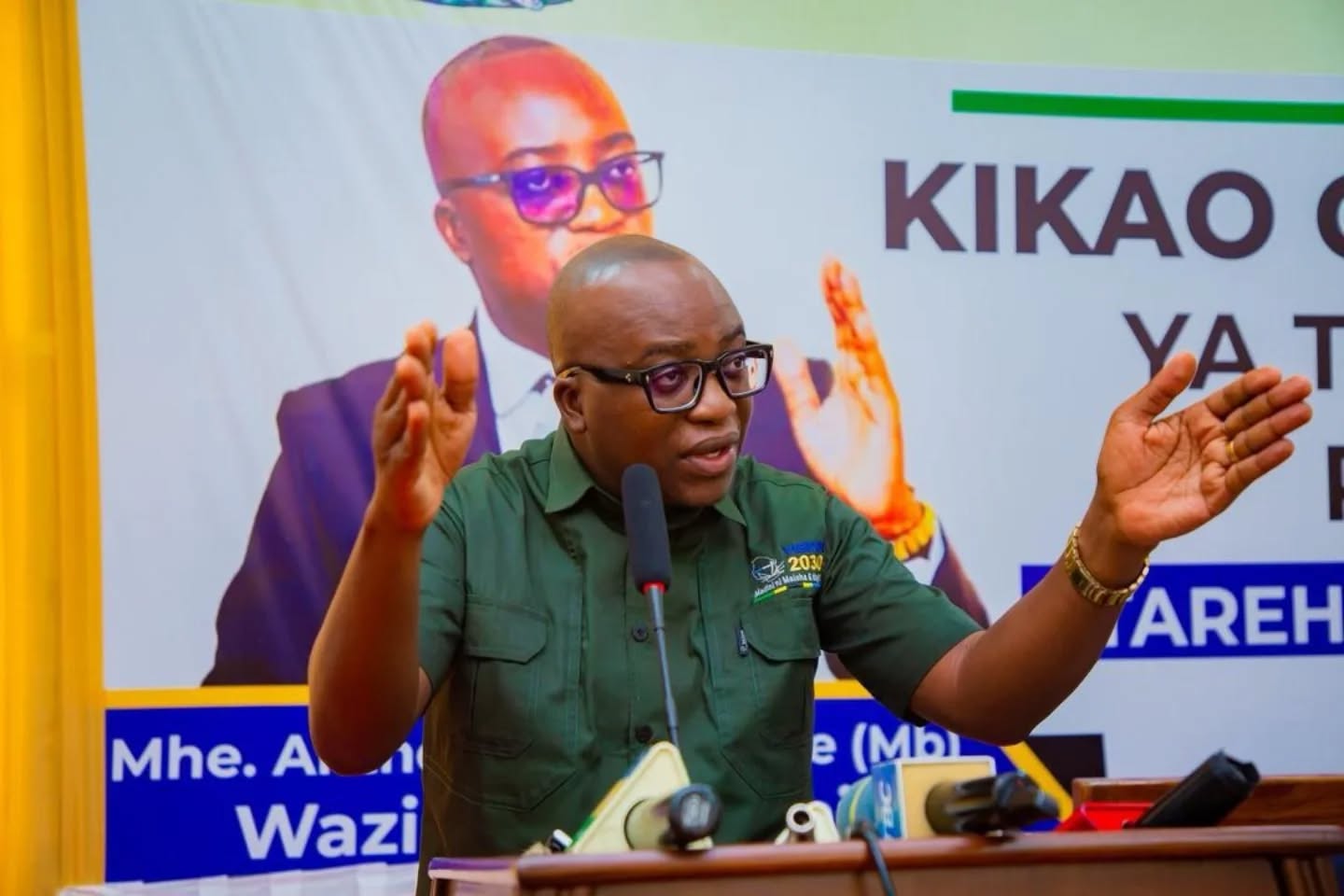
Meanwhile, the Deputy Minister for Minerals, Steven Kiruswa, said government efforts through the State Mining Corporation are focused on strengthening the capacity of small-scale miners through training and modern technology.
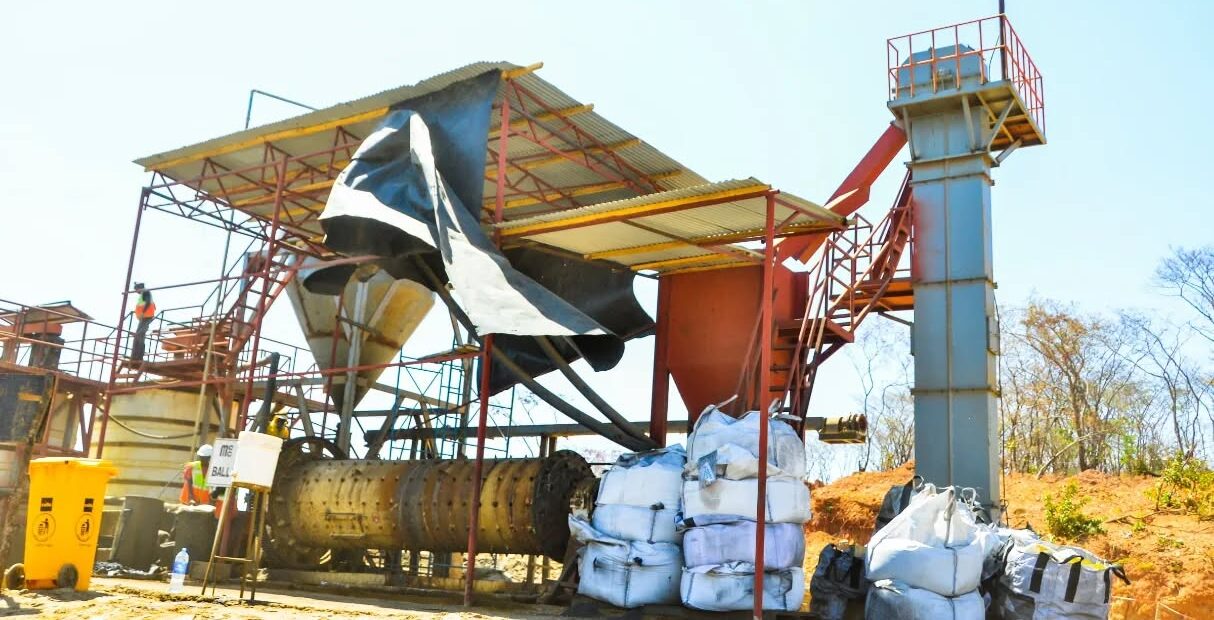
He said the training programmes are conducted at the Katente model mining centre in Geita Region.
Dr Kiruswa revealed that a total of 1,019 small-scale miners have benefited from theoretical and practical training at the facility at different times.
The training aims to equip miners with knowledge and skills that improve productivity, safety and environmental management in mining operations.
He made the remarks while addressing members of the Parliamentary Standing Committee on Energy and Minerals during their visit to Bukombe District in Geita Region.
According to Dr Kiruswa, the facility has helped miners process their ore more efficiently.
Small-scale miners bring their ore to the centre and are able to obtain refined gold within a relatively short period through the use of modern processing technologies.
The Chairperson of the Parliamentary Standing Committee on Energy and Minerals, Subira Mgalu, commended the government for prioritising support for small-scale miners.
She said the establishment of model centres and the deployment of technical experts had significantly improved the adoption of modern technologies in gold mining.
Ms Mgalu said technologies such as the Carbon-in-Pulp (CIP) method had enabled miners to improve gold recovery rates and reduce losses.
“It is time for Stamico and the Ministry of Minerals to explore ways of expanding these centres and making them larger so that more miners can be served quickly,” she said.
The acting managing director of State Mining Corporation, Mr Deusdedith Magala, expressed appreciation to the parliamentary committee for recognising the corporation’s efforts.
He said Stamico would continue investing in initiatives that support the government’s agenda of improving services and opportunities for communities involved in mining activities.
The government has in recent years intensified reforms in the mining sector to ensure greater participation by Tanzanians, particularly youth and small-scale miners.
Officials say the ongoing initiatives are expected to boost employment, stimulate local entrepreneurship and ensure that the benefits of mineral resources are shared more widely across the country.