
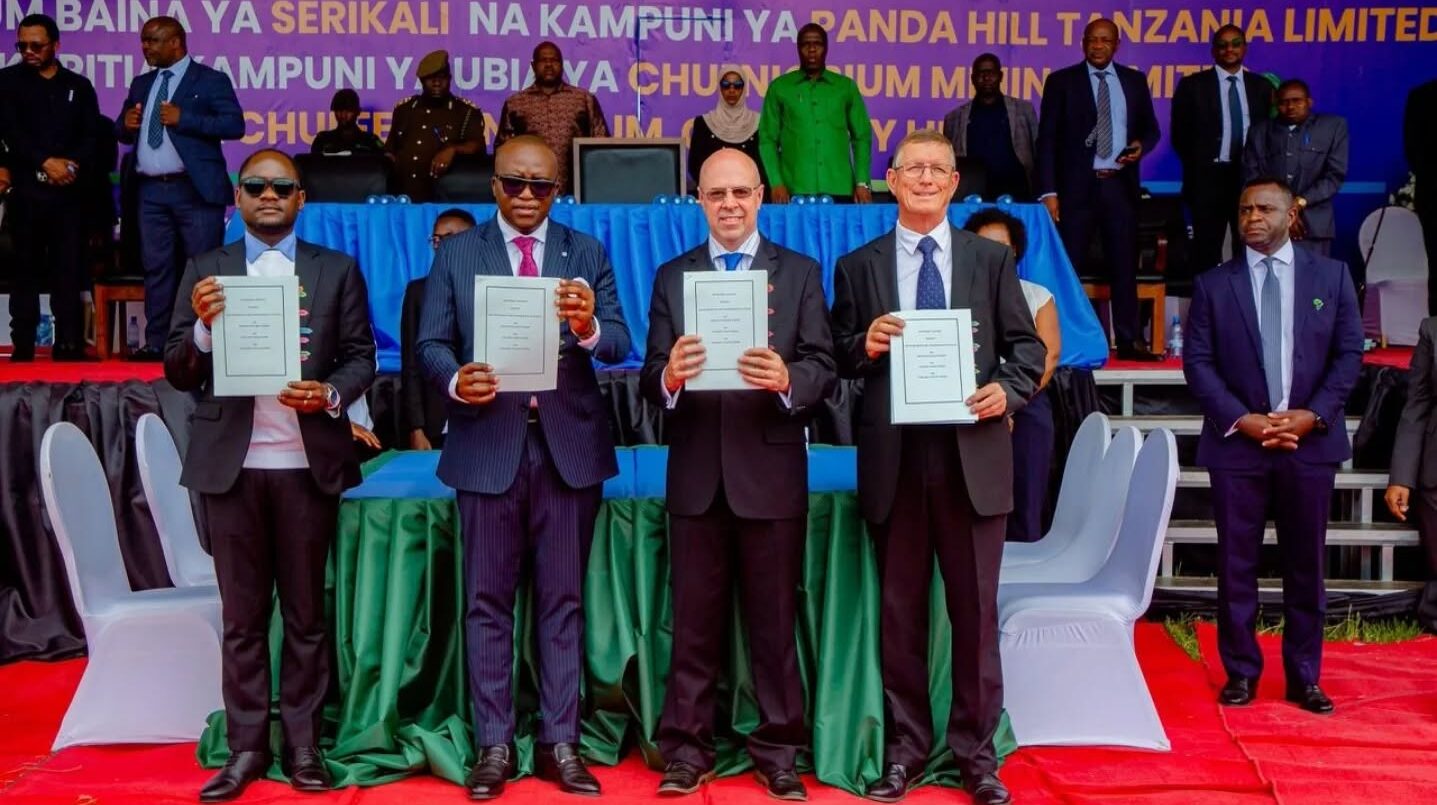
Mbeya. Tanzania has taken a significant step to strengthen its economic ties with the United States after the government and Panda Hill Tanzania Limited, signed agreements to develop the Panda Hill Niobium Project—an initiative aimed at transforming Mbeya into a key hub for the production and processing of strategic minerals.
Under the arrangement, the government, through the Office of the Treasury Registrar, will hold a 16 percent stake under a free carried interest structure, reinforcing national participation in strategic decision-making and long-term project benefits.
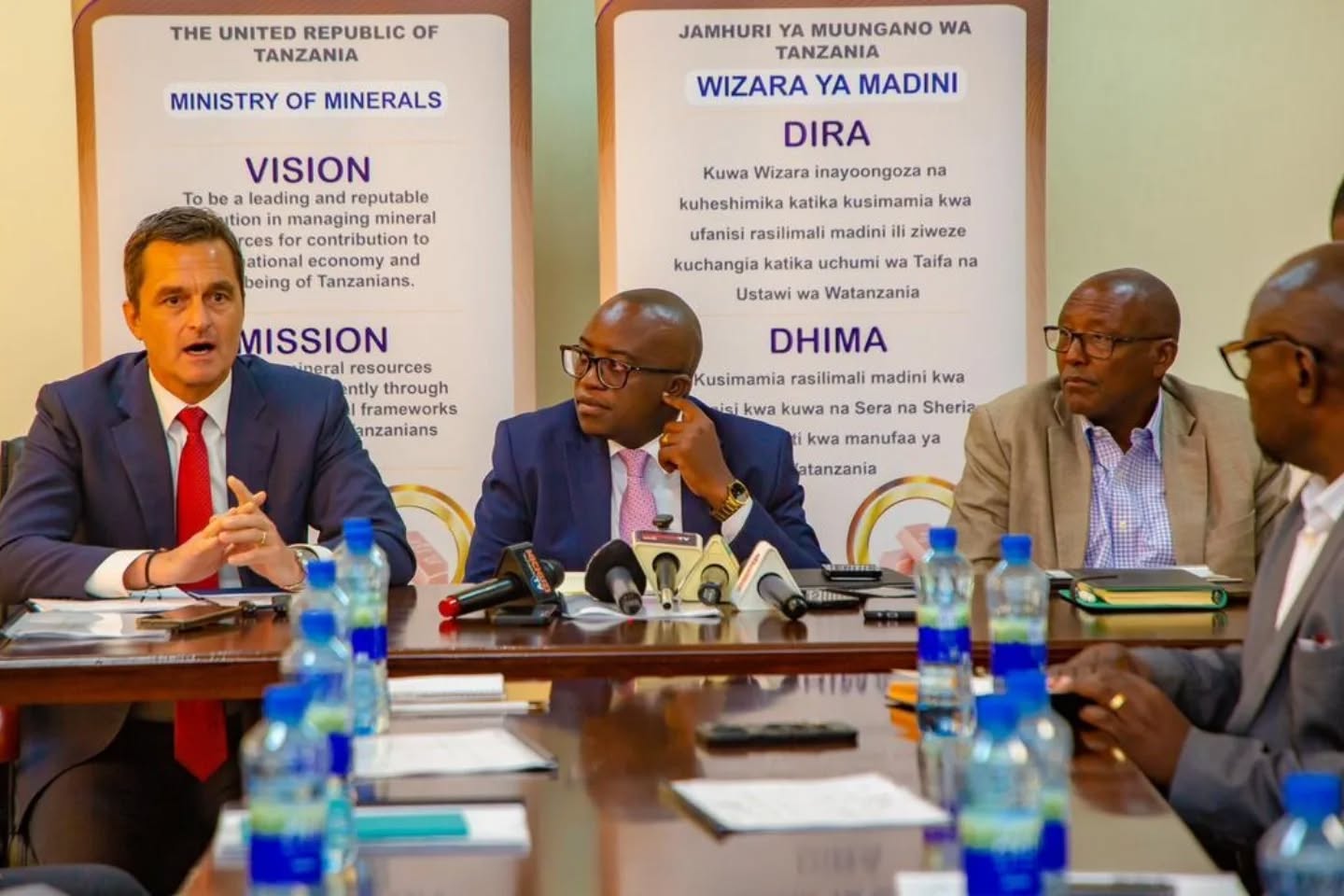
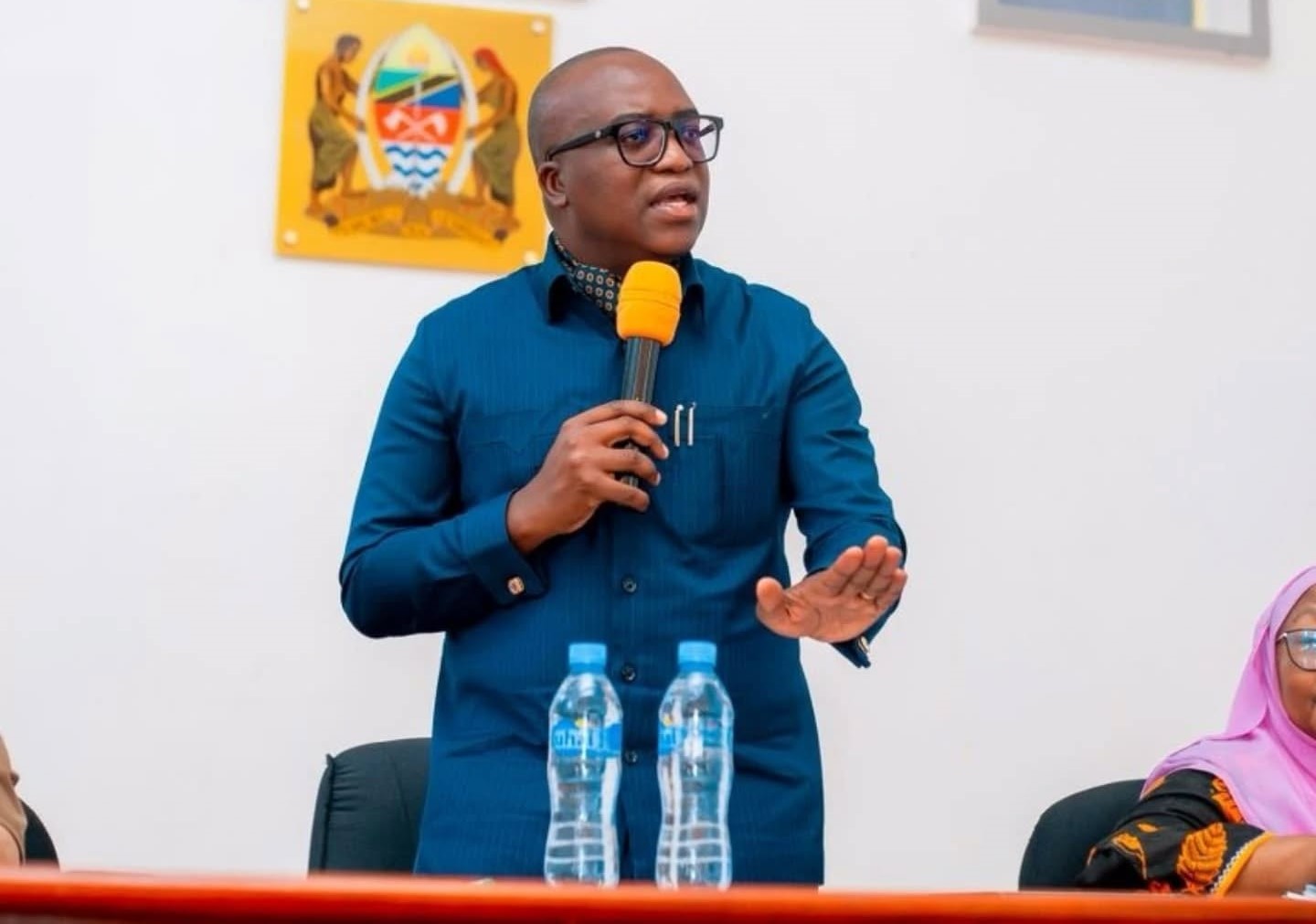
Speaking on Tuesday, March 24, 2026, during the signing ceremony, which was also attended by Treasury Registrar Nehemiah Mchechu, Minister for Minerals Hon. Anthony Mavunde said the project focuses on rare minerals that are not widely available globally, positioning Tanzania to secure a distinctive place in the international niobium market.
He noted that the global market is currently dominated by a few major producers, and that the Panda Hill project will place Tanzania among key global suppliers.
According to Mr Mavunde, the largest producer in Brazil accounts for about 80 percent of global niobium production, followed by another Brazilian producer contributing around 11 percent, while Canada provides approximately 6 percent.
“Through the Panda Hill project, Tanzania is targeting to become the world’s fourth-largest niobium producer, contributing about four percent of global demand, with annual output projected at around 100,000 tonnes,” he said.
The minister emphasised that the project aligns with the national development vision for 2025–2050, guided by President Samia Suluhu Hassan, which prioritises value addition within the country to maximise economic benefits for citizens.
He added that Tanzania is expanding beyond traditional mining by investing in mineral processing and the production of higher-value industrial products.
Niobium, the key mineral in the project, is used to strengthen steel and produce high-performance alloys essential for large-scale infrastructure, pipelines, transport systems, and advanced technologies, including electric vehicles and aircraft engines.
For the investor, Panda Hill Tanzania Limited’s General Manager, Dennis Cook, said the company is entering a new phase of project implementation in formal partnership with the government following years of negotiations and preparations.
He noted that the project was close to construction in 2017 before regulatory changes, and since then, the company has worked closely with the government to finalise key agreements.
Mr Cook outlined the next steps as securing a Special Mining Licence, updating the feasibility study to reflect current capital and operating costs, integrating grid power into operations, and conducting market assessments for ferroniobium to ensure global competitiveness, including in the US market.
For his part, the Treasury Registrar said the project is expected to generate substantial economic returns, with an initial investment estimated at $442 million.
Mr Mchechu noted that the investment is projected to be recovered within five to eight years.
“Over the life of the project, the government is expected to earn about $686 million (approximately Sh2 trillion) from royalties, corporate taxes—including a 30 percent income tax—dividend withholding tax, and returns from its equity stake,” he underscored.
From its 16 percent shareholding alone, the government is projected to earn about $134 million (approximately Sh300 billion), funds expected to support infrastructure development and essential social services such as roads, schools, and healthcare.
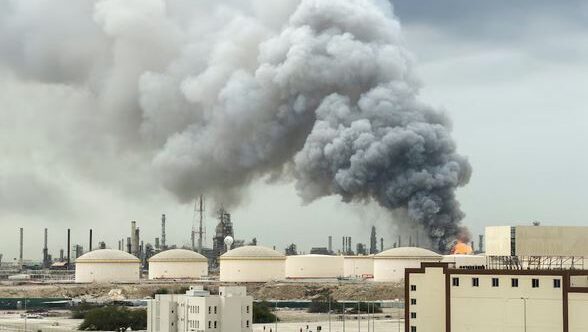
According to the company, the project will involve the construction of a niobium mine, a processing plant, and a ferroniobium production facility—a high-value product used in the steel industry.
The product will target markets in Africa, Asia, Europe, and the United States, positioning Tanzania within global high-value industrial supply chains.
Uniquely, the project will include the construction of Africa’s first ferroniobium plant and only the fourth of its kind globally to be built in the past 40 years—placing Tanzania among a select group of producing nations.
The project also presents significant opportunities for local businesses, with total in-country procurement estimated at $1.77 billion.
About 70 percent of goods and services during operations are expected to be sourced locally.
This is expected to open long-term contracting opportunities for Tanzanian firms in sectors such as construction, transport, maintenance, technical services, security, and catering.
In terms of employment, more than 1,600 jobs are expected during the construction phase, with around 600 permanent positions to be created. Overall, about 7,000 people are projected to benefit directly and indirectly from the project.
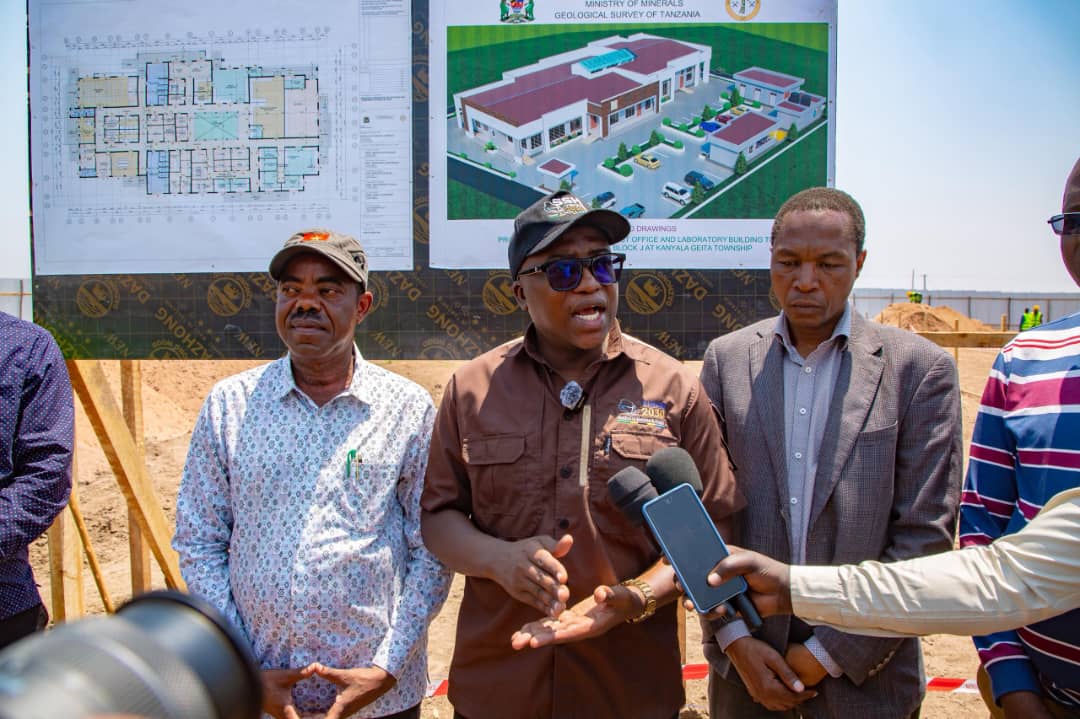
The project will be implemented within the Songwe Prison Farm area, covering approximately 5,434 acres.
During the signing ceremony, Deputy Attorney General Samwel Maneno signed the Framework Agreement on behalf of the government, while he and the Treasury Registrar also signed the Shareholders Agreement with investors, completing the governance and partnership structure for the project.