

Dar es Salaam. The Energy and Water Utilities Regulatory Authority (Ewura) has launched a special operation to identify individuals hoarding fuel in the country.
The move follows directives from the Permanent Secretary of the Ministry of Energy responsible for Oil and Gas, Dr James Mataragio.
He said some unscrupulous traders are exploiting the current market situation.
They take fuel from depots in quantities far beyond their immediate needs.
The fuel is then stored, awaiting price increases, and sold at higher rates.
Dr Mataragio described such acts as economic sabotage.
“This is a serious offence. Anyone found guilty will face legal action,” he said.
He urged traders involved in fuel hoarding to desist immediately, warning that the practice is contributing to artificial shortages in various areas.
He stressed that Ewura officers should take firm action.
“No one will be spared if caught hoarding fuel. I have instructed the Commissioner to ensure fuel supplied in Dar es Salaam reaches the designated stations as planned,” he said.
The Permanent Secretary confirmed that reports have already emerged of some outlets experiencing fuel shortages.
The disruptions are linked to hoarding, which prevents fuel from reaching stations on schedule.
Commissioner of Oil and Gas, Mr Goodluck Shirima, said the government continues to closely monitor fuel transportation and sales.
He reassured citizens that fuel delivered from tanks will reach outlets efficiently, ensuring uninterrupted supply.
Govt strengthens strategies to secure fuel supply
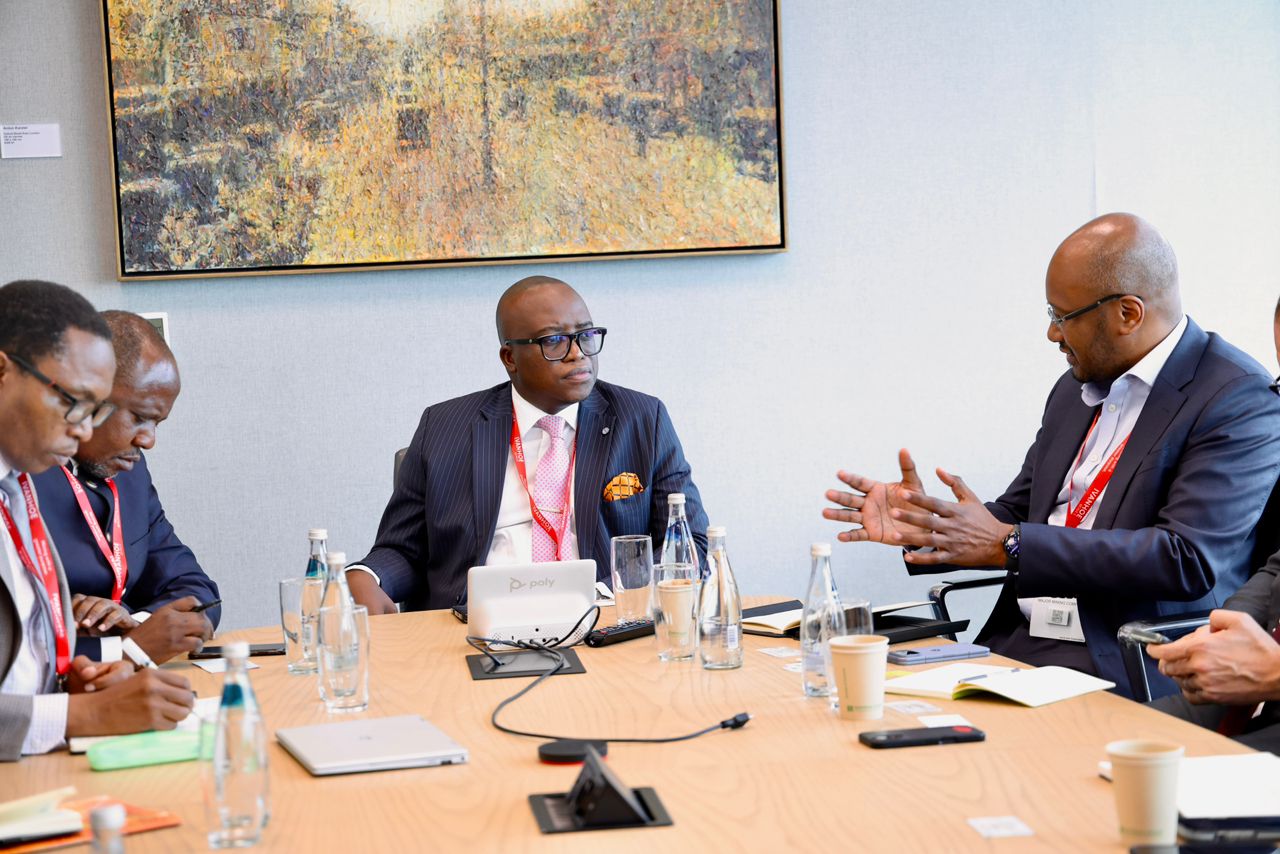
Energy Minister, Deogratias Ndejembi, convened a meeting with heads of energy and oil institutions under the ministry.
The session, held on March 28, 2026 in Dar es Salaam, reviewed strategies to safeguard national fuel security and availability.
The current fuel shortages are partly driven by disruptions in the international market caused by the ongoing conflict in the Middle East.
The war has affected key shipping routes, including the Strait of Hormuz, delaying shipments and reducing availability in several regions.
The meeting included Dr Mataragio, Commissioner Shirima, Ewura director general, Dr James Mwainyekule, TPDC managing director, Mr Musa Makame, PBPA CEO Mr Erasto Simon, and other energy sector experts.
Officials reviewed the national fuel supply status and outlined measures to mitigate scarcity.
TPDC steps up bulk procurement
To stabilise the market, the government has directed the Tanzania Petroleum Development Corporation (TPDC) to procure fuel in bulk.
The aim is to ensure sufficient supply at affordable prices from May to July 2026.
Dr Mataragio explained that bulk procurement allows the government to negotiate better prices.
“Ordering in small quantities from multiple suppliers drives costs up. Bulk orders and long-term contracts are essential for price stability,” he said.
The move comes as global oil prices more than doubled in recent months, rising from $50–$60 per barrel in February to around $114 per barrel.
This increase raises concerns about domestic price spikes.
He added that the Minister responsible has the authority under the Oil Act to implement measures ensuring adequate and affordable fuel supply.
TPDC has been tasked with procuring fuel sufficient to meet the country’s needs during this challenging period.
National fuel stocks remain sufficient
Despite global disruptions, the Permanent Secretary confirmed that Tanzania has sufficient fuel reserves.
Petrol stocks currently total 380.7 million litres, covering 61 days of consumption.
Additional contracts will bring the total to 563.7 million litres, enough for 91 days.
Diesel stocks total 362.4 million litres, including supplies on tankers and from contracts, covering 64 days of usage.
Aviation fuel is also adequate at 59 million litres, sufficient for 97 days.
Dr Mataragio warned that ongoing global conflict could drive further price increases.
He reassured citizens that government measures, including bulk procurement and strict monitoring of distribution, aim to maintain stable supply and affordable prices.