
The qualification process for the 2026 FIFA World Cup has reached its conclusion.
A record 48 nations will compete in the expanded tournament hosted by Canada, Mexico, and the United States.
The final place was secured on 31 March 2026, marking the end of a global campaign involving 211 member associations.
Qualified Nations
The host nations qualified automatically.
They are joined by a diverse array of teams from every continent.
In Europe, heavyweights such as England, France, Germany, Spain, Portugal, and the Netherlands secured their places with relative ease.
They are accompanied by competitive sides including Belgium, Croatia, Norway, and Switzerland.
Late drama in the European play-offs saw Sweden, Türkiye, Czechia, and Bosnia and Herzegovina clinch the final four spots for the continent.
South American representation remains strong. Argentina, Brazil, Colombia, Uruguay, Ecuador, and Paraguay all sealed direct qualification.
In Africa, the expanded format allows for a record ten representatives.
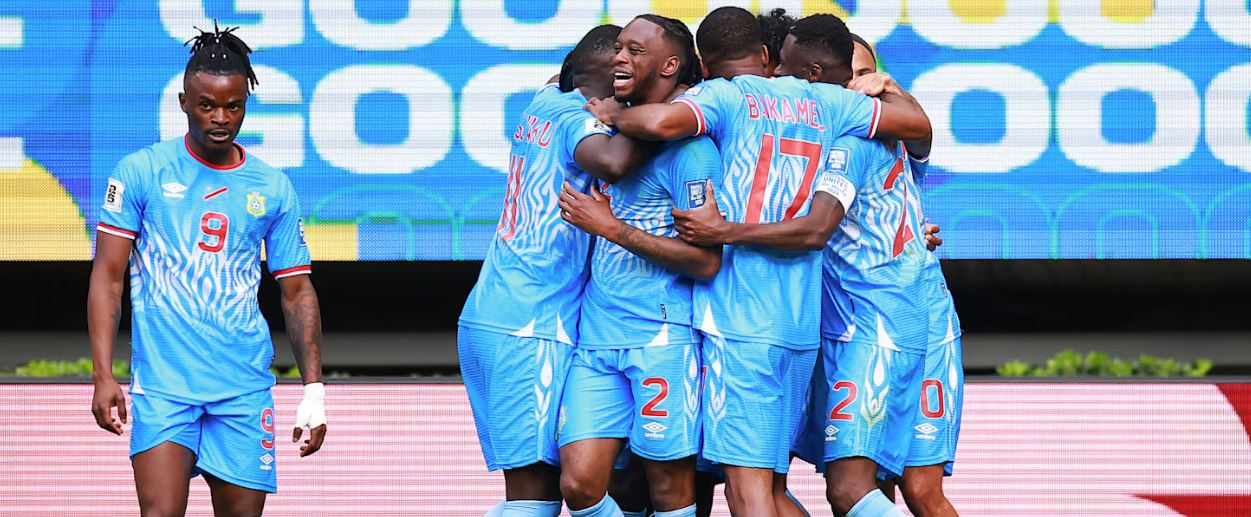
These include Morocco, Senegal, Egypt, Algeria, Tunisia, Ivory Coast, Ghana, South Africa, and Cape Verde. DR Congo completed the African contingent after a decisive play-off victory.
From Asia, the qualified nations are Japan, South Korea, Iran, Saudi Arabia, Australia, Jordan, Uzbekistan, Qatar, and Iraq.
The North and Central American region, beyond the hosts, will be represented by Panama, Haiti, and Curaçao.
New Zealand secured the direct qualification spot for Oceania.
Notable absentees
The most significant omission is Italy.
The four-time champions failed to qualify for their third consecutive World Cup.
They were eliminated in a penalty shootout during their play-off final against Bosnia and Herzegovina.
This continues a period of unprecedented decline for the Italian national side.
In Africa, Nigeria and Cameroon are the most high-profile nations to miss out.
Both were eliminated during the continental play-offs by DR Congo.
Their absence removes two traditionally strong African competitors from the global stage.
Other notable sides failing to make the tournament include Wales and Northern Ireland.
Both reached the final stages of European qualifying but fell short in the play-offs.
From South America, Chile and Peru missed out on qualification entirely, reflecting a shift in the continent’s competitive balance.
These absences highlight the increasing difficulty of the qualification process, despite the expanded tournament format.