

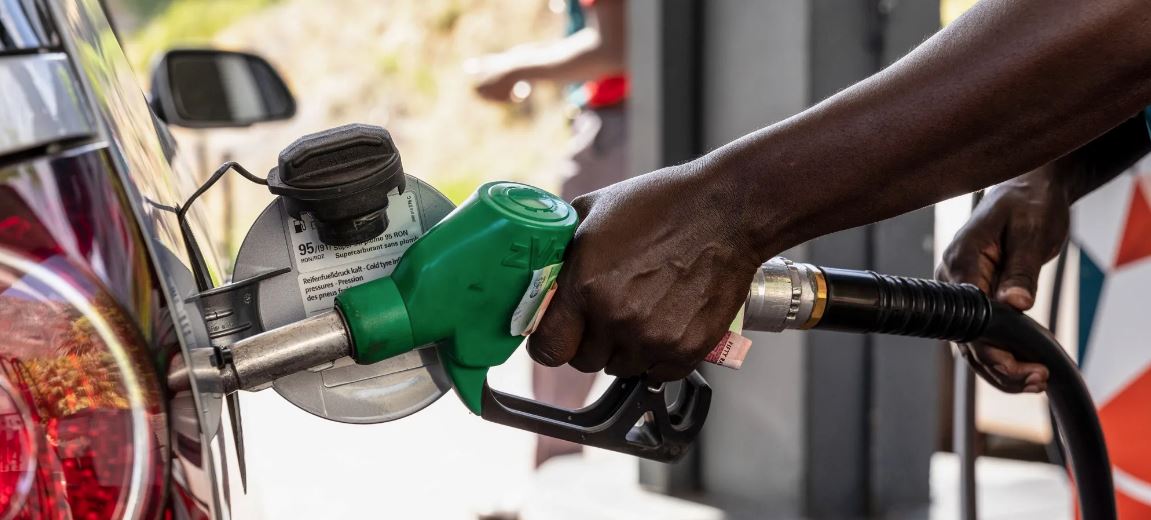
Dar es Salaam. Retail fuel prices in several parts of Tanzania have breached the Sh4,000 per litre mark for the first time in more than a decade, underscoring the mounting pressure facing consumers and businesses amid global supply disruptions.
The new ceiling prices, announced by the Energy and Water Utilities Regulatory Authority (EWURA), took effect from April 1, 2026.
They reflect a sharp escalation in global petroleum costs and transport expenses.
Under the revised pricing structure, petrol and diesel prices in remote regions now exceed Sh4,000 per litre.
In Kyerwa, for example, petrol is capped at Sh4,092 per litre and diesel at Sh4,078. Karagwe records petrol at Sh4,087, while Bukoba stands at Sh4,070.
Similar trends are observed in Ukerewe and other inland districts where transport costs remain high.
These levels mark a significant milestone in Tanzania’s fuel price history.
While coastal cities remain below the threshold, the widening gap between coastal and inland markets reflects persistent logistical challenges.
In Dar es Salaam, petrol now retails at Sh3,820 per litre and diesel at Sh3,806.
The surge in prices has been attributed largely to geopolitical tensions in the Middle East.
According to the regulator, attacks on oil facilities and the closure of a critical maritime route have disrupted global supply chains.
The Strait of Hormuz, which handles roughly one-fifth of the world’s transported oil, has been closed amid ongoing hostilities, triggering supply shortages and rising shipping costs.
These developments have pushed up the Free on Board (FOB) reference prices used in fuel pricing calculations.
Petrol FOB prices rose by nearly 70 percent, while diesel and kerosene increased by more than 114 percent and 120 percent respectively.
Transport premiums have also increased. Products received through Dar es Salaam port recorded premium rises averaging 15.3 percent for petrol and 10.8 percent for diesel.
Such increases further compound inland distribution expenses, particularly in remote districts.
Despite the sharp rise in prices, authorities have assured the public that national fuel stocks remain sufficient to meet domestic demand.
The regulator has urged consumers to use fuel efficiently and encouraged retailers to comply strictly with the approved price caps.
All petrol stations have been reminded to display price boards clearly and issue electronic receipts for each sale.
Retailers found selling above the capped price risk legal action under existing petroleum regulations.
The latest pricing cycle highlights Tanzania’s exposure to global energy shocks.
It also underscores the vulnerability of landlocked and remote districts, where transport distances amplify the impact of global market volatility.
For households and transport operators alike, the crossing of the Sh4,000 threshold signals a new phase in fuel pricing dynamics, one likely to shape inflation trends, logistics costs and consumer spending patterns in the months ahead.