
Dar es Salaam. The Office of the Treasury Registrar (OTR) has launched a comprehensive budget scrutiny exercise for public entities, aimed at strengthening their alignment with Tanzania’s Dira 2050.
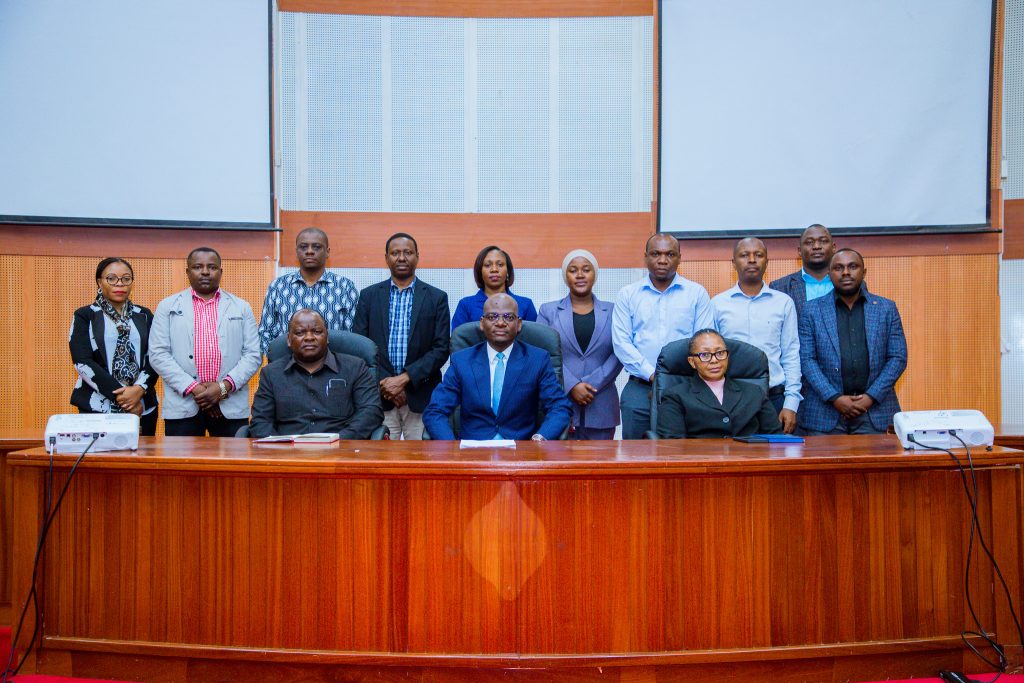
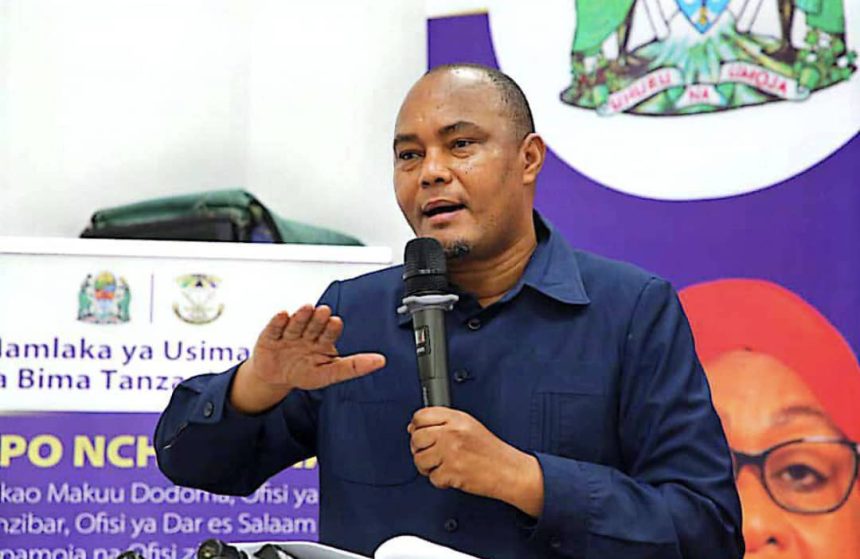
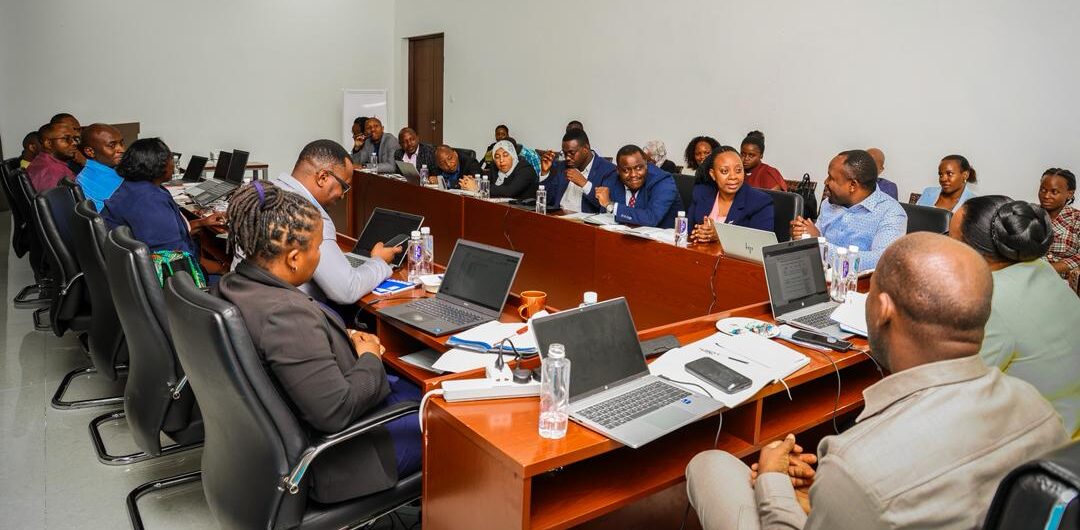
Speaking on Thursday, April 2, 2026, Mr Joseph Mwaisemba, Assistant Director for Evaluation of Non-Commercial Public Entities (Regulatory Authorities), said a team of 50 OTR staff has convened at the Mwalimu Nyerere Leadership School in Kibaha District, Coast Region, to analyse budgets of 252 public institutions and agencies.
He explained that the budget scrutiny focuses on assessing how well institutions have structured their plans and financial allocations to support the implementation of Dira 2050, alongside the Fourth Five-Year Development Plan (FYDP IV).
“We are undertaking an in-depth budget scrutiny of institutional plans to determine how effectively they contribute to the implementation of Dira 2050 and the broader national development agenda,” he said.
Mr Mwaisemba added that the exercise also evaluates strategies adopted by institutions to mobilise financial resources for the implementation of the 2026/27 fiscal year budgets.
Official data shows that the OTR oversees a total of 308 institutions, of which 252 are majority government-owned and 56 are minority government-owned, with a total investment of Sh92.3 trillion.
According to Mr Mwaisemba, the OTR and its portfolio entities are expected to generate Sh1.8 trillion as non-tax revenue in the 2026/27 financial year, contributing to the government’s projected Sh62 trillion budget.
“This budget scrutiny is critical in ensuring that government objectives are achieved,” he emphasised.
The exercise is conducted in line with Section 10(2)(c) of the Treasury Registrar Act, Cap. 370, and Section 17(a) of the Budget Act, Cap 439, which mandate the OTR to review plans and budgets of public institutions and agencies under its oversight.
After the analysis, the budgets will be uploaded into the Government’s planning and budgeting system (PlanRep), after which the OTR will continue to monitor performance on a quarterly basis in line with the agreed plans.
Mr Mwaisemba noted that the budget scrutiny involves a detailed review of resource allocation, including recurrent expenditure, development projects, and institutional contributions to the central government budget.
Key focus areas include assessing how institutions plan to implement development projects using both government funding and internally generated resources.
He called for close collaboration among boards of directors, management teams, and staff of public institutions to ensure efficient use of limited resources.
“The success of each institution in delivering on its mandate will directly translate into the successful implementation of Dira 2050 and national development plans,” he stressed.