
Washington. Mounting anxiety over the economic consequences of the ongoing Iran war is set to dominate deliberations as global finance leaders gather for the Spring Meetings of the International Monetary Fund and the World Bank, amid surging energy costs and mounting fears of weaker global growth.
The conflict has emerged as the third major economic shock to the world economy in recent years, following the Covid-19 pandemic and the Russia’s invasion of Ukraine.
It has disrupted vital supply chains and unsettled markets, forcing governments to introduce emergency measures to shield households and businesses from rising living costs.
Central to the disruption is the Strait of Hormuz, a strategic corridor through which a significant share of the world’s oil and gas normally passes.
Since the outbreak of hostilities on February 28, shipments through the route have been severely curtailed, triggering one of the largest supply disruptions in modern energy markets.
Hopes for a swift restoration of normal oil flows have faded following the collapse of talks between the United States and Iran at the weekend.
The setback has placed a fragile ceasefire under renewed pressure and deepened uncertainty among policymakers gathering in Washington.
Officials from the International Monetary Fund and the World Bank have already signalled that global economic forecasts will be revised downward.
At the same time, inflation projections are expected to be raised, reflecting the rising cost of fuel and transport across economies.
Emerging markets and developing countries are widely viewed as the most vulnerable to the shock due to limited fiscal buffers and heavy reliance on imported energy.
In Nigeria, authorities have appealed for additional international support to manage the surge in domestic fuel costs, even as higher crude prices strengthen foreign exchange earnings.
Officials reported that petrol prices have risen by more than 50 per cent, while diesel costs have climbed by over 70 per cent since the start of the conflict.
Across Germany and Sweden, governments have unveiled financial relief packages to ease pressure on households and businesses.
Germany has approved fuel price support worth about €1.6 billion through reductions in levies on diesel and petrol, while Sweden has introduced fuel tax cuts and enhanced electricity subsidies to cushion the economic impact.
In the United Kingdom, the Chancellor of the Exchequer, Rachel Reeves, is expected to outline further measures to support manufacturers struggling with persistently high energy prices.
Meanwhile, Prime Minister Keir Starmer has emphasised the need for closer economic ties with European partners amid growing geopolitical uncertainty.
The crisis is also complicating the work of central banks, which now face the difficult task of balancing slowing growth with rising inflation, conditions commonly associated with stagflation.
Policymakers across major economies have indicated that interest rate decisions will depend heavily on how sustained increases in crude oil costs affect broader price levels.
Beyond energy markets, the war has intensified pressure on global shipping and insurance industries.
War-risk premiums have surged, raising transport costs and discouraging maritime traffic through conflict-affected waters.
These developments have contributed to higher prices for goods and services worldwide.
For economies across Sub-Saharan Africa, the outlook has become increasingly uncertain.
Higher fuel prices and rising logistics costs threaten to strain national budgets, disrupt trade, and slow economic growth across the region.
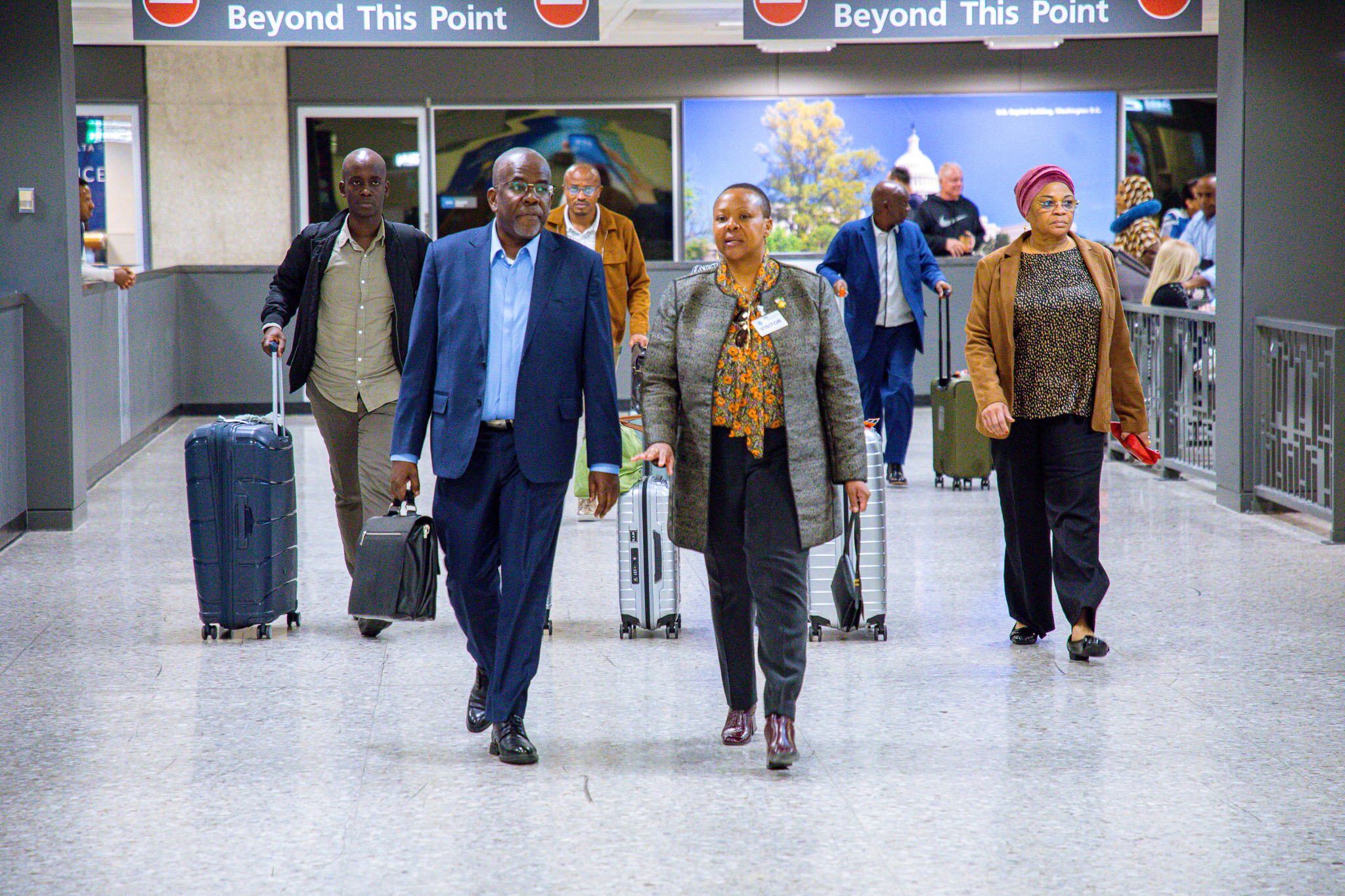
Against this backdrop, Tanzania has dispatched a high-level delegation to participate in the Washington meetings.
The Minister for Finance, Khamis Mussa Omar, is leading the country’s delegation to the annual gatherings hosted at the headquarters of the International Monetary Fund and the World Bank.
He is accompanied by the Permanent Secretary in the Ministry of Finance and Paymaster General, Natu El-maamry Mwamba.
The meetings carry significant importance for Tanzania, which holds shareholding interests in both the International Monetary Fund and the World Bank.
The annual gathering provides a vital platform for strengthening international cooperation, engaging in dialogue on fiscal and monetary policy, and mobilising development resources aimed at advancing national economic growth and social welfare.
As discussions commence, policymakers face a formidable challenge.
The Iran war has not only disrupted global energy flows but has also intensified economic uncertainty, leaving governments grappling with persistent inflation and slowing growth.
Decisions taken during the week-long meetings are therefore expected to shape economic policy responses across both advanced and developing economies in the months ahead.