
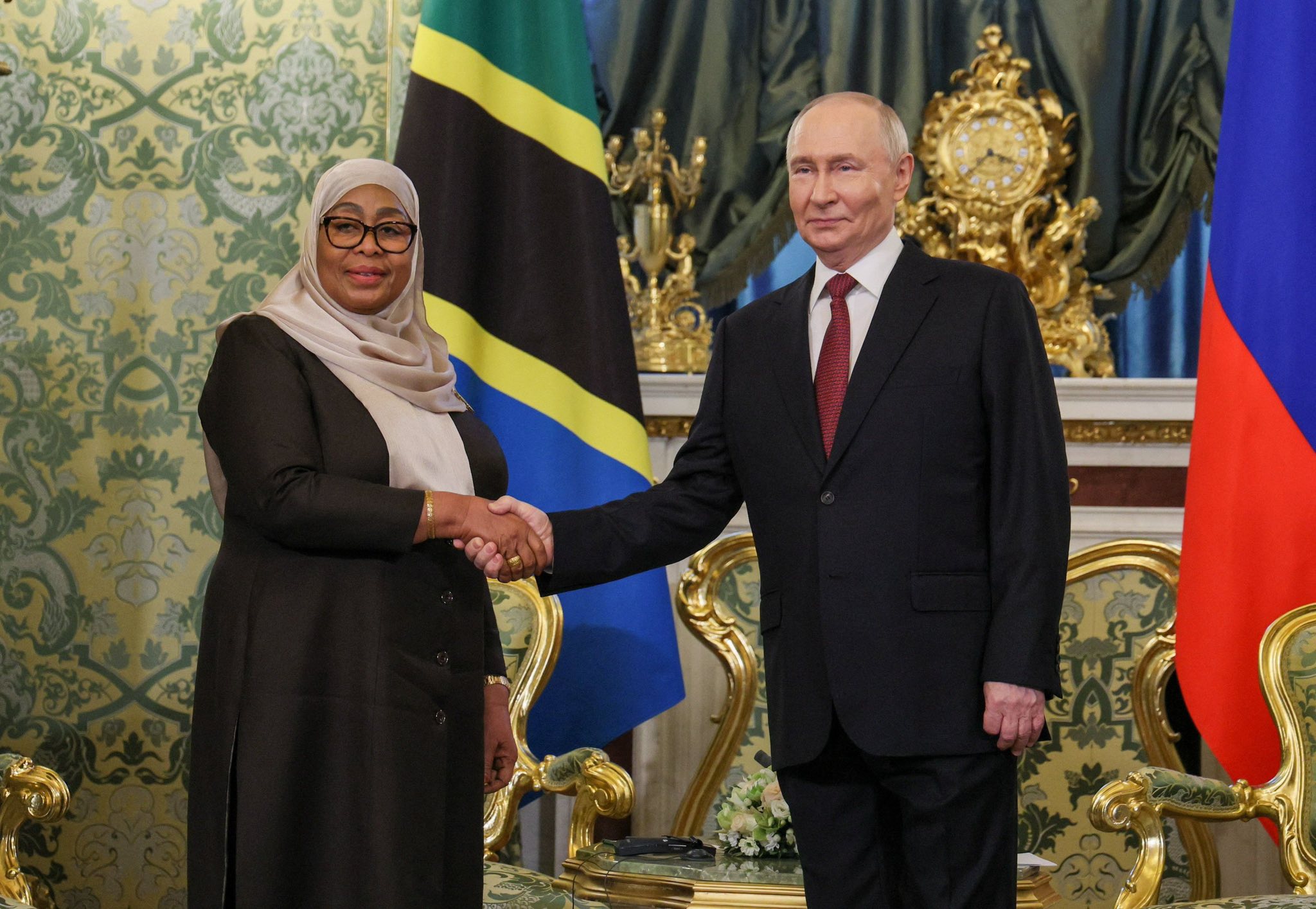
Dar es Salaam. Tanzania and Russia have entered a new phase of cooperation following the signing of eight major agreements during President Samia Suluhu Hassan’s state visit that concluded over the weekend.
The accords have been described as a foundation for expanded economic, social and technological relations between the two countries.
Officials said the outcome was designed to strengthen collaboration across priority sectors, including agriculture, education, energy, mining, industry, tourism, transport, digital economy, trade and investment.
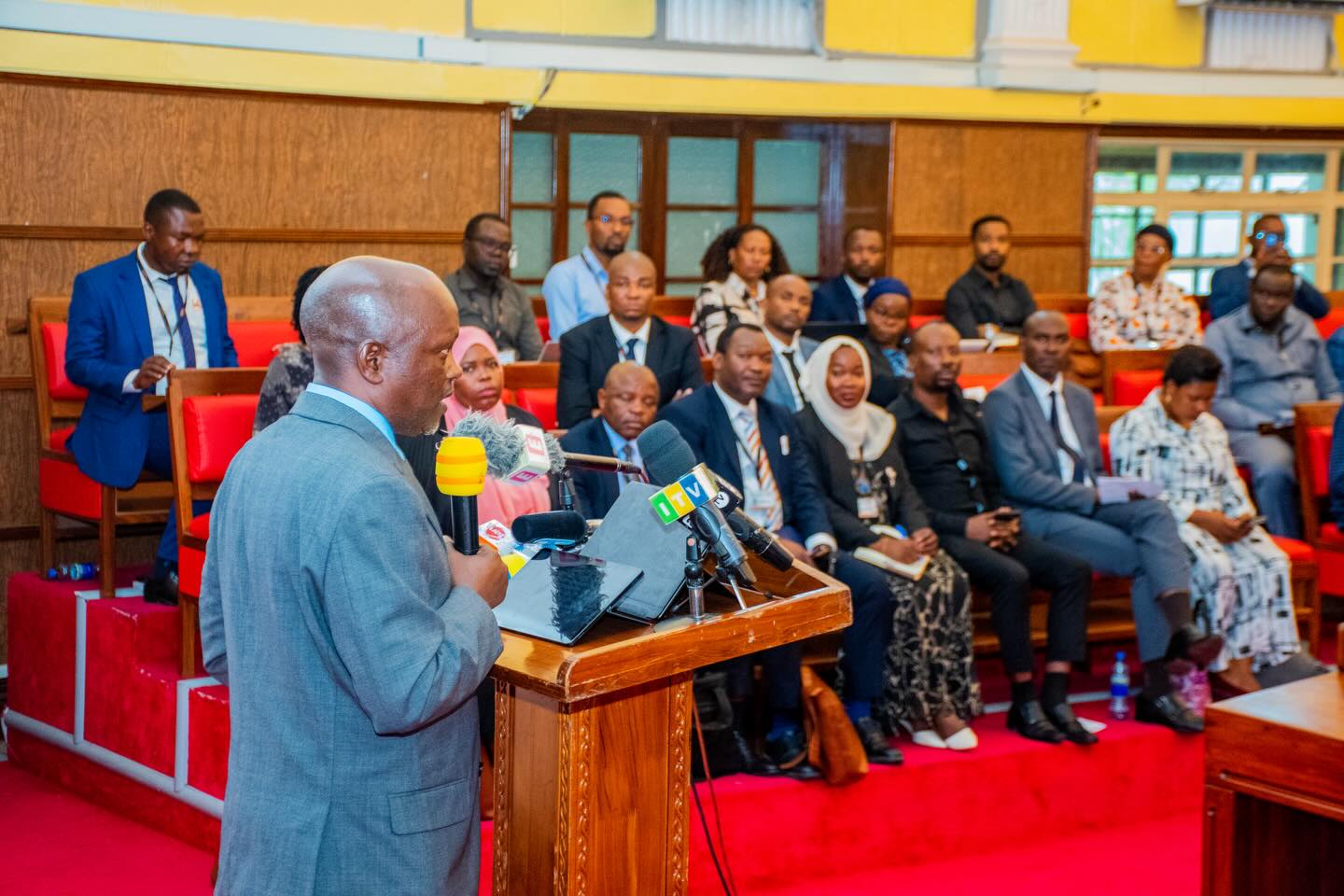
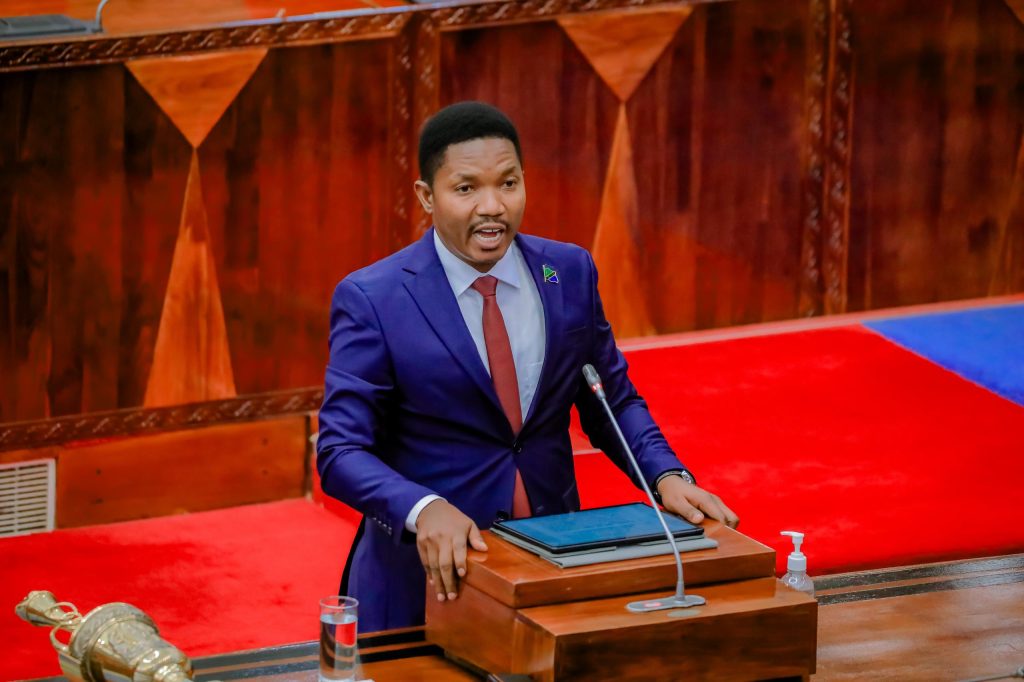
The minister of State in the President’s Office (Investment and Planning) Prof Kitila Mkumbo, outlined the details of the arrangements.
He said the agreements were structured to promote long-term development and broaden opportunities for both nations.
In the first agreement, language cooperation was prioritised.
The Baraza la Kiswahili la Taifa (BAKITA) and Russia’s MGIMO University agreed to expand the teaching of Kiswahili in Russia.
Tanzania is also expected to introduce Russian language studies at the University of Dodoma.
The second agreement focused on health cooperation.
Muhimbili University of Health and Allied Sciences (MUHAS) entered into partnership with Russian health institutions.
The aim is to strengthen medical training, research exchange and pharmaceutical development.
In education, two further agreements addressed skills recognition and joint training. Both countries agreed to recognise academic qualifications issued in Russia.
This is expected to ease employment pathways for Tanzanians returning home after studies abroad.
Separately, the Dar es Salaam Institute of Technology (DIT) signed a partnership with a Russian technical university.
The collaboration will support joint degree programmes in data science, aerospace systems, artificial intelligence and machine learning.
Investment cooperation featured strongly in the fifth and sixth agreements.
The Tanzania Investment and Special Economic Zones Authority (Tiseza) will work to attract capital from Russia and beyond, including European markets.
In addition, cooperation with Roscongress aims to promote international investment forums and joint projects.
The seventh agreement covered the energy sector.
The Tanzania Electric Supply Company (Tanesco) and Mantra Tanzania Ltd, a subsidiary linked to Russia’s Rosatom, agreed on enhanced cooperation in protecting sensitive strategic energy information and supporting energy development initiatives.
The final agreement established a five-year programme aimed at creating employment opportunities for Tanzanian youth in Russia.
The programme is expected to focus on skills development and labour mobility initiatives.
Prof Kitila Mkumbo said the agreements reflect a practical outcome of high-level diplomacy.
He noted that implementation would be central to ensuring tangible benefits for citizens.
Officials from both sides described the agreements as a structured roadmap for strengthening bilateral relations.
They said the focus would now shift to execution, coordination and monitoring of agreed projects.