

Dodoma. The Tanzanian government’s revenue from the mining sector has climbed sharply from Sh173.7 billion in the 2012/13 financial year to Sh1.071 trillion in 2024/25, a rise attributed to improved management, transparency and accountability, as the State rolls out a targeted strategy to accelerate the development of small-scale miners.
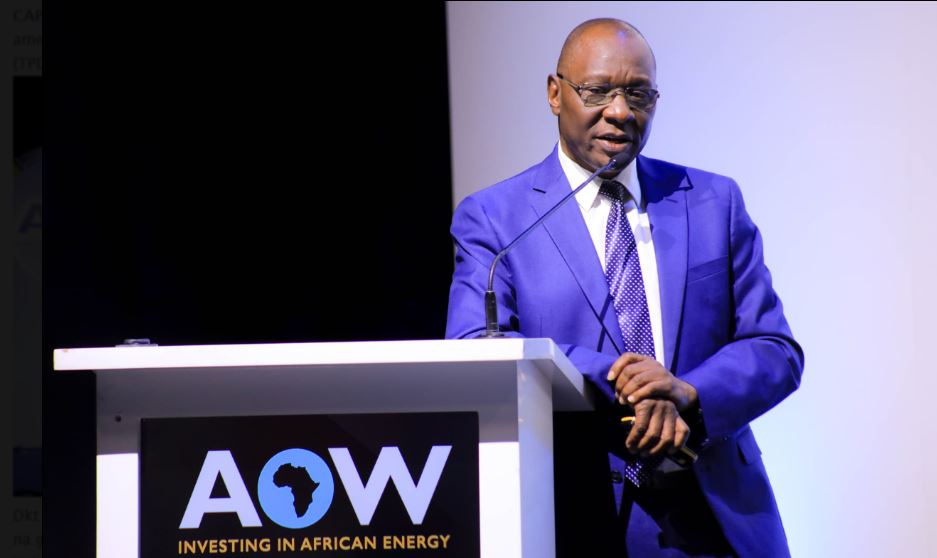
The Minister for Minerals, Mr Anthony Mavunde, said the revenue growth reflects far-reaching reforms across the sector, which have strengthened oversight and ensured greater compliance throughout the mineral value chain, from exploration and extraction to value addition and trade.
He was addressing the first meeting of the Parliamentary Standing Committee on Energy and Minerals, held on January 15, 2025, at the Pius Msekwa Hall in Dodoma.
Mr Mavunde told the committee that the reforms were anchored in the effective implementation of the 2009 Mineral Policy and the Mining Act, Cap 123.
He said the framework had brought structural changes aimed at ensuring Tanzanians, particularly small-scale miners, benefit sustainably and productively from the country’s mineral resources.
“The improved governance environment has not only boosted public revenue but also enhanced the sector’s contribution to the wider economy,” he said.
He added that the mining industry’s share of Gross Domestic Product (GDP) increased from 2.7 percent in 2010 to 10.1 percent in 2024, underscoring the sector’s growing economic significance.
He added that the gains were largely driven by strengthened supervision, increased transparency in operations and enhanced accountability mechanisms, which together curtailed leakages and improved revenue collection.
“The government has placed special emphasis on small-scale miners, recognising their critical role in employment creation and local economic development. As a result, a specific strategy has been outlined to address persistent challenges facing the sub-sector,” Mr Mavunde said.
The strategy prioritises timely access to mining licences, improved availability of capital, adoption of appropriate technology, access to reliable markets and allocation of mining areas with established geological information.
“The government continues to set aside areas with verified geological data and to issue primary mining licences to small-scale miners in different parts of the country,” Mr Mavunde said.
He mentioned Nyanhwale, Simanjiro, Mbogwe and Chunya as among the areas benefiting from these interventions.
He explained that the approach is intended to raise productivity, improve safety standards and increase miners’ incomes, while also promoting formalisation, environmental protection and higher revenue contributions to the State.
The minister further said the Ministry of Minerals has introduced the Mining for a Brighter Tomorrow (MBT) strategy, which seeks to empower small-scale miners by improving access to finance, technology and geological information.
The initiative is designed to enable local miners to operate independently, rather than relying on foreign sponsors.
Mr Mavunde said the government will continue to work closely with Parliament and other stakeholders to strengthen institutions and sustain reforms in the sector.
He added that continued focus on governance, alongside targeted support for small-scale miners, is expected to consolidate revenue growth and position the mining sector as a key pillar of inclusive and sustainable economic development.