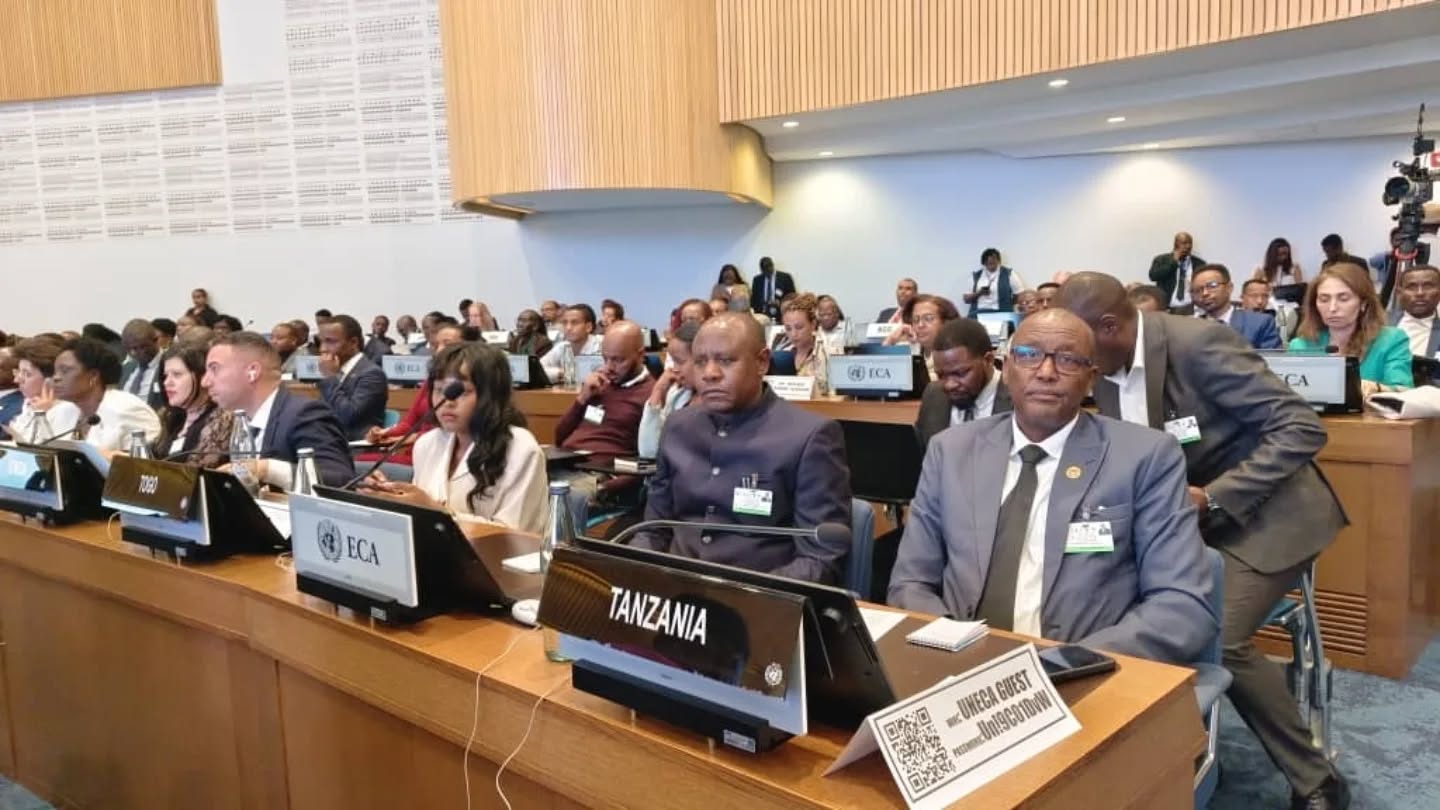

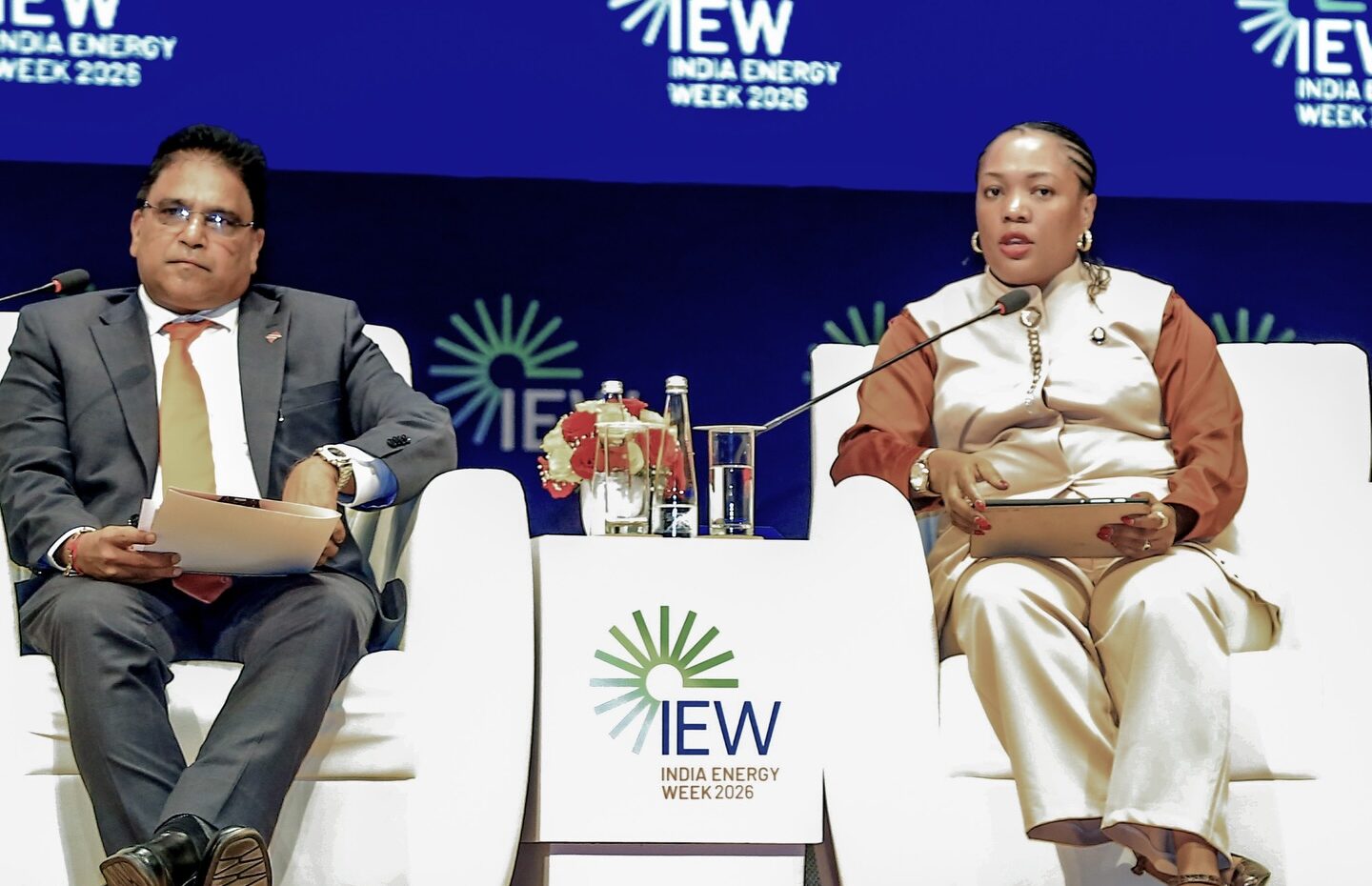
Goa, India. Tanzania is strengthening its investment framework and expanding international cooperation in the oil and gas sector, the Deputy Minister for Energy, Ms Salome Makamba, said this week during a ministerial dialogue at the ongoing India Energy Week (IEW) 2026.
Speaking at the ministerial forum held on January 28, Ms Makamba said Tanzania continues to put in place an enabling investment environment by leveraging the country’s vast opportunities in the oil and gas value chain.
The dialogue brought together policymakers and industry leaders from across the globe to exchange perspectives on investment, energy security and the future of hydrocarbons amid the global energy transition.
Ms Makamba noted that Tanzania remains proactive in advancing upstream activities, disclosing that seismic data acquisition is currently under way in the Eyasi–Wembere, Lindi and Mtwara blocks.
She added that these efforts are being complemented by the conclusion of negotiations with various investors aimed at unlocking major strategic projects, including the long-anticipated Liquefied Natural Gas (LNG) project.
“The government views the LNG project as a cornerstone of Tanzania’s long-term energy and industrial strategy, with the potential to significantly boost export revenues, enhance energy security and stimulate broader economic development,” said.
Progress on the project, she added, reflects sustained engagement between the government and private investors, underpinned by regulatory reforms and policy clarity.
Beyond upstream developments, Ms Makamba said the government is continuing to invest heavily in gas distribution infrastructure to support industrial use, power generation, household consumption and transport.
She emphasised that the expanded use of natural gas has already begun to lower energy costs for industries and households, while reducing reliance on more expensive and environmentally harmful fuels.
“The oil and gas sector is a critical enabler of national economic growth. Tanzania, like other resource-rich countries, places strong emphasis on partnership with the private sector in order to benefit from advanced technologies and capital,” she said, underscoring the government’s preference for collaborative models that balance commercial viability with national development priorities.
Ms Makamba further observed that Tanzania’s energy demand continues to rise, driven by sustained economic growth, urbanisation and industrial expansion.
This trend, she said, heightens the need for reliable, affordable and sustainable energy sources capable of supporting the country’s development ambitions.
She also highlighted Tanzania’s strategic geographical position, noting that the country is well placed to serve neighbouring states through its ports and through regional power interconnections linking East Africa with other parts of sub-Saharan Africa.
According to the Deputy Minister, this positioning strengthens Tanzania’s role as a regional energy and logistics hub, while reinforcing the importance of cross-border cooperation and environmental stewardship.
On the global energy transition, Ms Makamba stressed that Tanzania supports a pragmatic and inclusive approach.
She said the shift towards cleaner and more environmentally friendly energy sources must be just and equitable, ensuring that no citizen is left behind.
This, she added, requires policies that guarantee access to affordable, safe and reliable energy, particularly for developing economies.
India Energy Week 2026 continues to provide Tanzania with a platform to showcase its energy potential on the international stage, engage with global investors and deepen strategic partnerships.
Participation in the forum, Ms Makamba said, aligns with Tanzania’s broader objective of attracting investment, accelerating technology transfer and promoting economic growth that is responsive to both development needs and environmental considerations.