
Mtwara. Tanzania is set to increase its natural gas production as drilling operations at the Mnazi Bay Block are scheduled to commence on February 9, 2026.
The development follows significant progress in preparations for three new wells, which are expected to strengthen domestic gas supply and bolster energy security.
Officials say the project has reached more than 90 percent completion, clearing the way for drilling to begin next week.
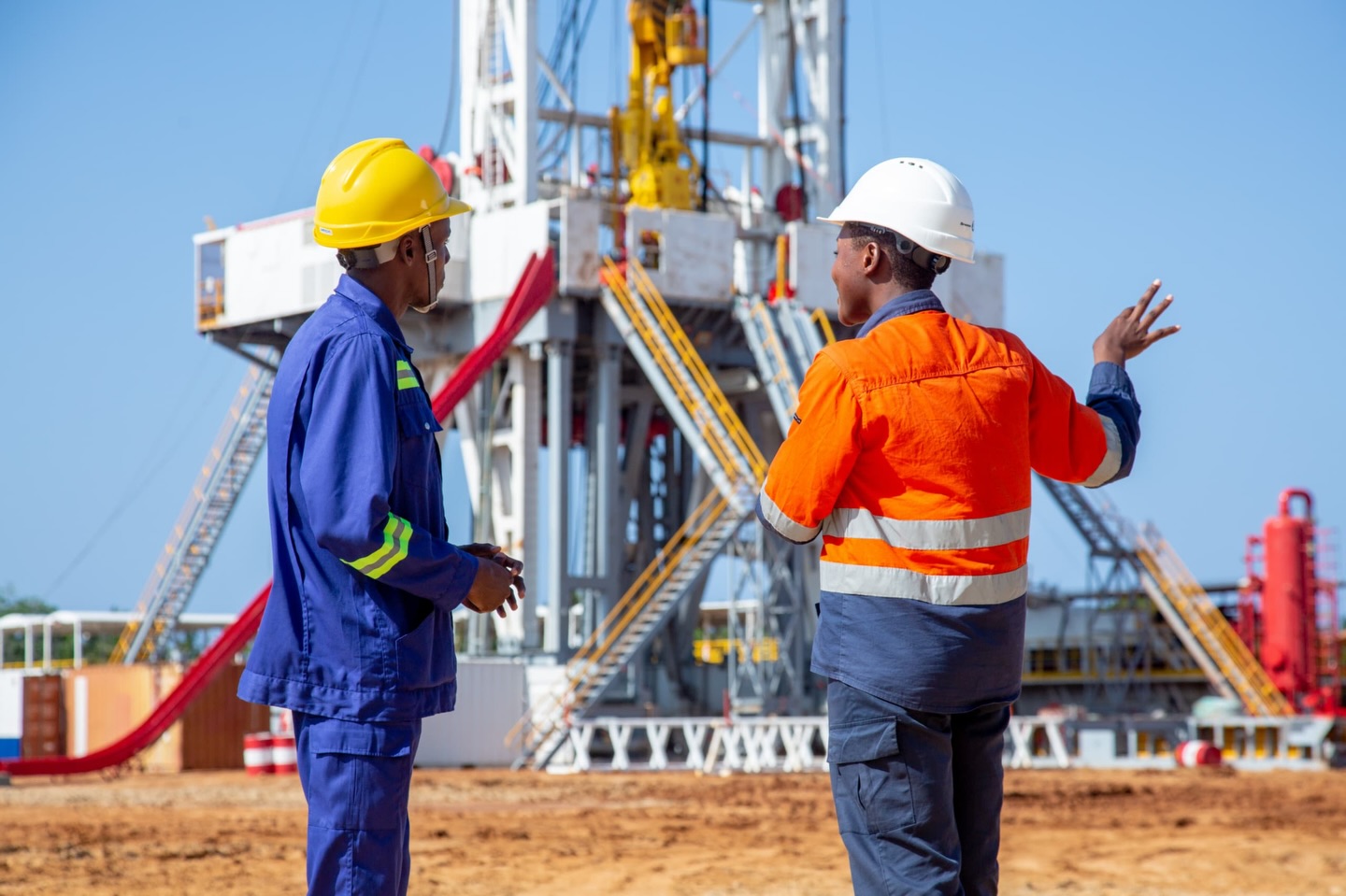
As of February 3, 2026, core technical and logistical infrastructure required for the operation had been finalised, including the installation of the drilling rig and associated systems.
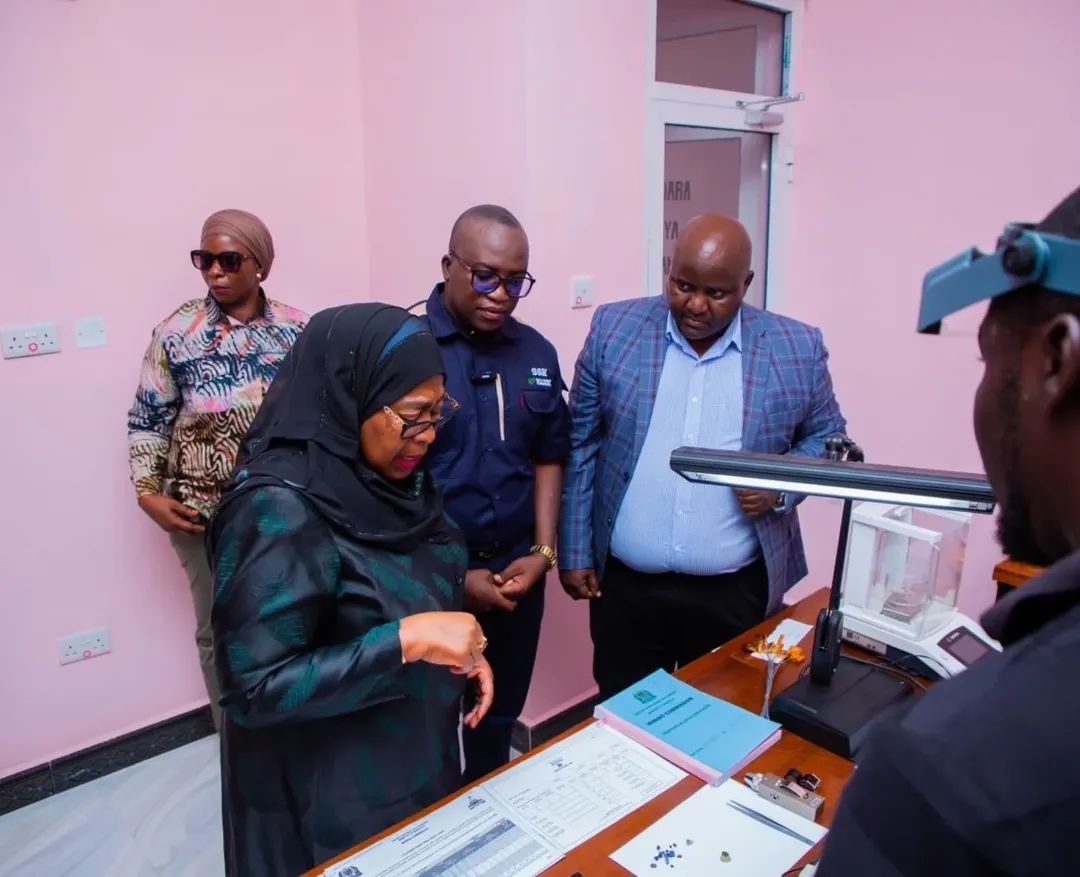
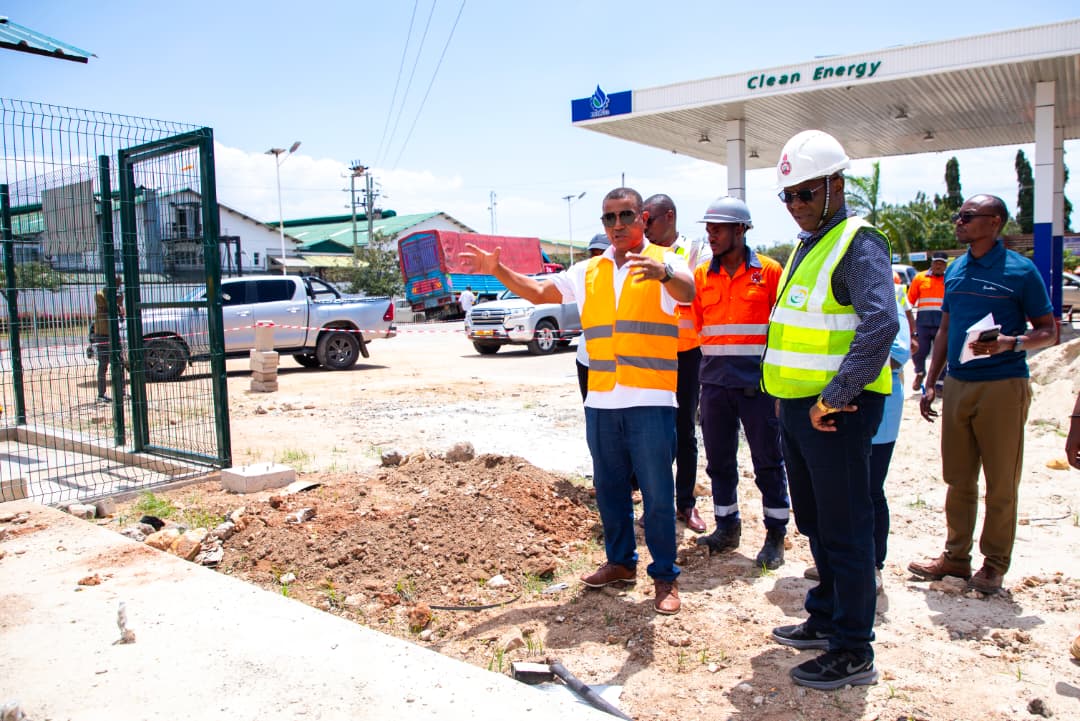
The update was provided during a site inspection by the Petroleum Upstream Regulatory Authority (PURA).
Ms Felista Ndabita of the Tanzania Petroleum Development Corporation (TPDC) confirmed that the drilling rig has been fully assembled and positioned on site.
She said teams are now completing the integration of auxiliary equipment and final safety checks ahead of the start date.
“The timeline reflects the government’s push to accelerate upstream gas development in response to rising demand from power generation, industry and households,” she said.
Strategic role of Mnazi Bay
Located in southern Tanzania’s Mtwara Region, the Mnazi Bay gas field is one of the country’s oldest and most strategic producing blocks.
It plays a central role in supplying gas to power plants, industries and residential consumers through the national gas pipeline network.
Currently, Mnazi Bay operates five producing wells, generating between 90 million and 100 million cubic feet of natural gas per day.
The addition of three new wells is expected to raise output significantly once production stabilises, helping meet growing domestic demand driven by industrial expansion, urbanisation, and electricity generation.
It will also enhance system reliability by reducing supply constraints during peak demand periods.
Regulatory oversight and standards
PURA officials said the regulator is satisfied with the pace and quality of the project.
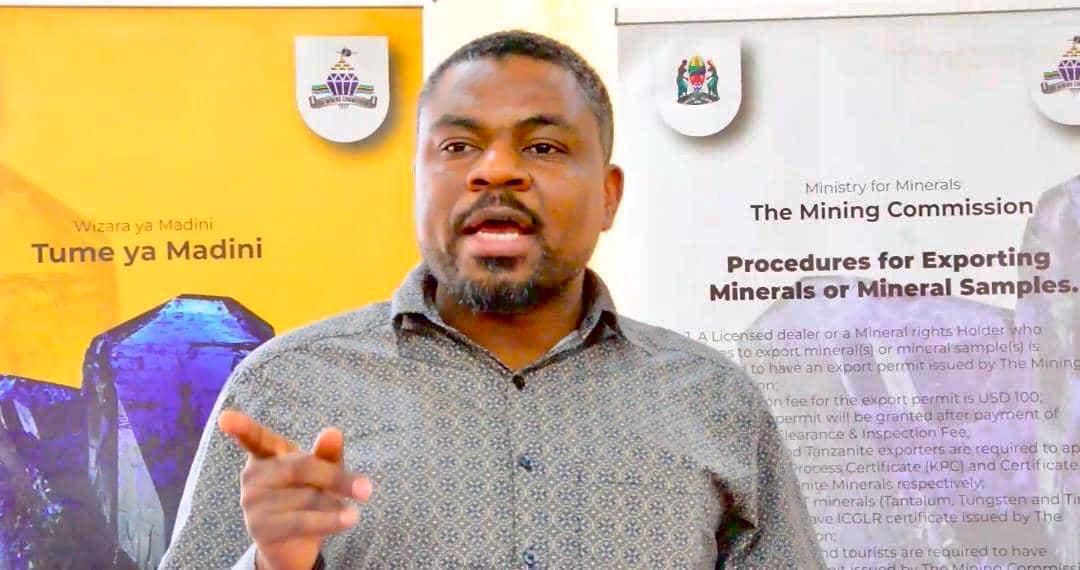
Mr Ebeneza Mollel, a geologist with the authority, said PURA will continue to exercise close oversight throughout the drilling and production phases.
He stressed that compliance with safety, environmental and operational standards remains a priority and that production performance will be monitored to ensure national targets are met.
The Mnazi Bay expansion aligns with the government’s broader policy of maximising value from natural resources, with authorities emphasising that upstream gas projects must translate into tangible economic benefits for the country.
Economic and energy impact
Higher gas output is expected to deliver wide-ranging economic gains.
Natural gas already underpins a large share of Tanzania’s electricity generation, and additional supply will support grid stability while reducing reliance on costly alternative fuels.
Industries will also benefit, with reliable and affordable gas providing a key input for manufacturing, fertiliser production and agro-processing.
This could enhance the competitiveness of Tanzanian industries in regional markets.
The government also plans to expand domestic gas use.
Increased supply will support the rollout of piped gas to households, reducing reliance on charcoal and firewood, which carries environmental and public health benefits.
In transport, additional gas will support the growing use of compressed natural gas for vehicles, helping cut fuel import costs and lower emissions.
With drilling operations set to begin next week, Mnazi Bay is poised to play an even more pivotal role in Tanzania’s energy landscape, reflecting the country’s commitment to sustainable and reliable natural gas development.