
Cape Town. In a unified move to redefine the continent’s economic landscape, Ministers from across Africa have pledged to implement robust strategies for domestic mineral value addition.
The resolution, focused particularly on strategic minerals, aims to bolster national revenues, stimulate economic diversification, and address the pressing need for job creation across the continent.
A central theme of the high-level discussions was the indispensable role of the energy sector.
Delegates reached a consensus that reliable, large-scale power infrastructure is the primary catalyst for transitioning from raw ore exportation to advanced domestic processing and manufacturing.
The Tanzanian model: Integrating energy and extraction
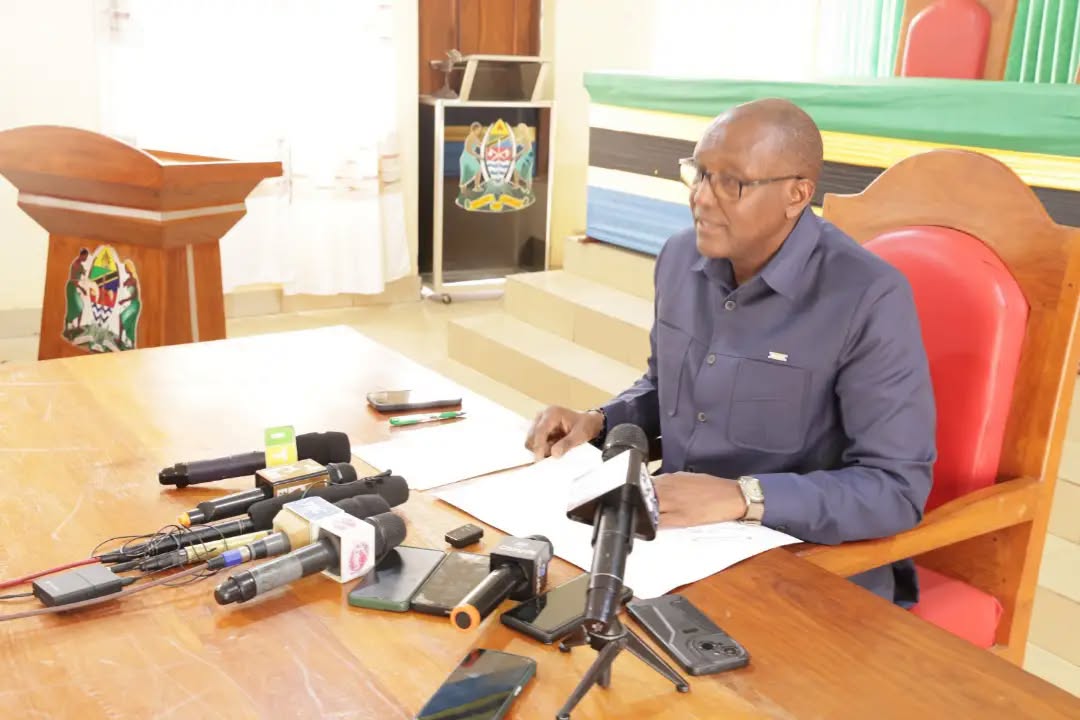
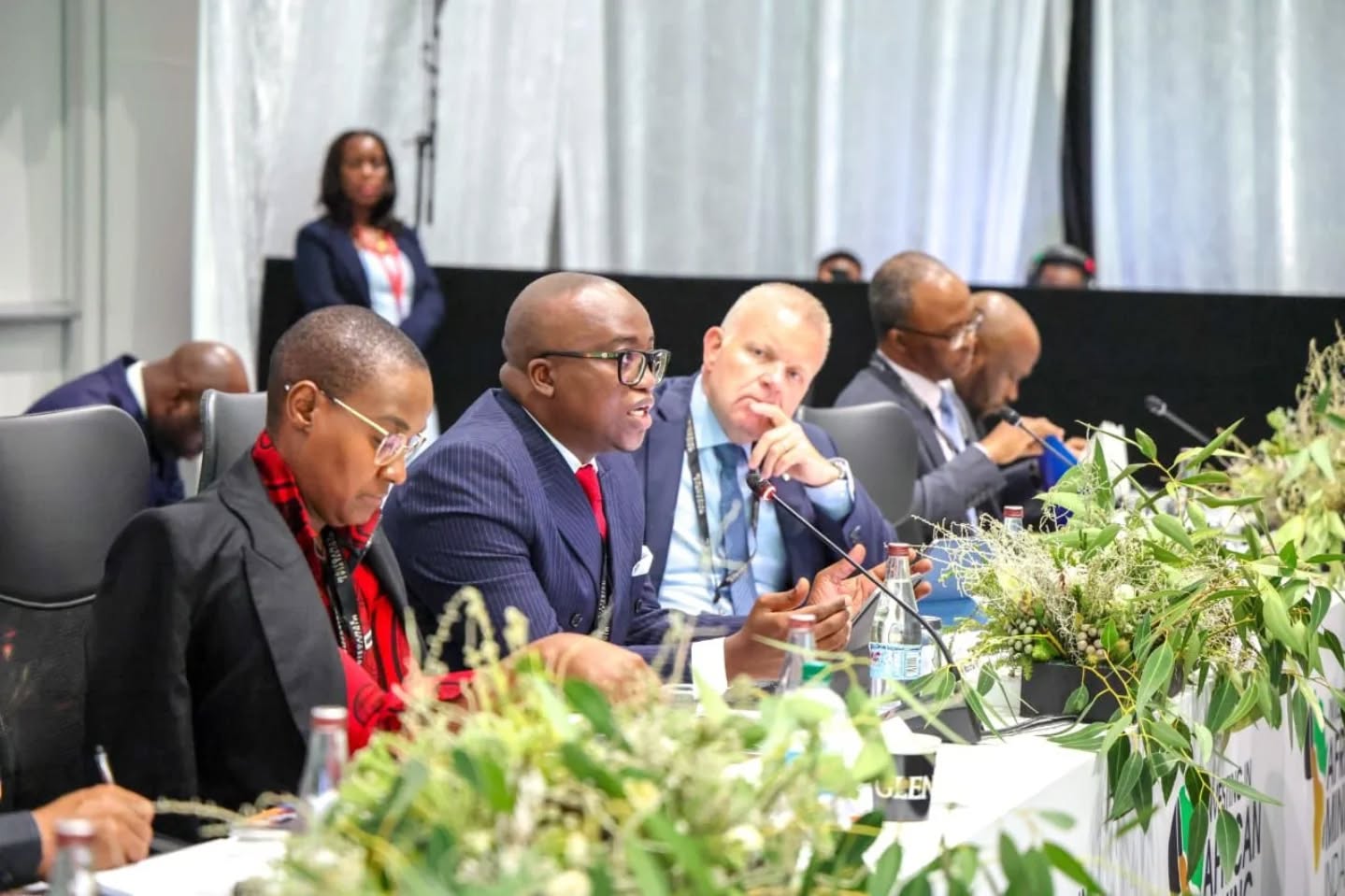
Speaking in an exclusive interview following the Ministerial session on February 8, 2026 at the Mining Indaba in Cape Town, Tanzania’s Minister for Minerals, Anthony Mavunde, shared his nation’s blueprint for sectoral synergy.
Mr Mavunde explained how Tanzania is successfully aligning its energy and mining portfolios to deliver tangible benefits to its citizens.
He detailed the strategic steps taken by the Tanzanian government to ensure the energy security required for energy-intensive mineral beneficiation and smelting processes.
“Energy is the backbone of industrialisation and that without a stable and affordable power supply, the ambition of value addition remains out of reach,” he noted.
Among the flagship initiatives discussed was the Julius Nyerere Hydropower Project, which is expected to contribute 2,115 MW to the national grid and provide the high-voltage capacity required for large-scale smelting operations.
Furthermore, the Minister highlighted targeted grid expansion by TANESCO to ensure mining concessions are linked to the national backbone, alongside the efforts of the Rural Energy Agency (REA) in extending power to remote mining sites to empower small-scale miners and local processing plants.
Addressing Investment Barriers
The Ministerial session also served as a forum to scrutinise the hurdles currently stifling the continent’s extractive potential.
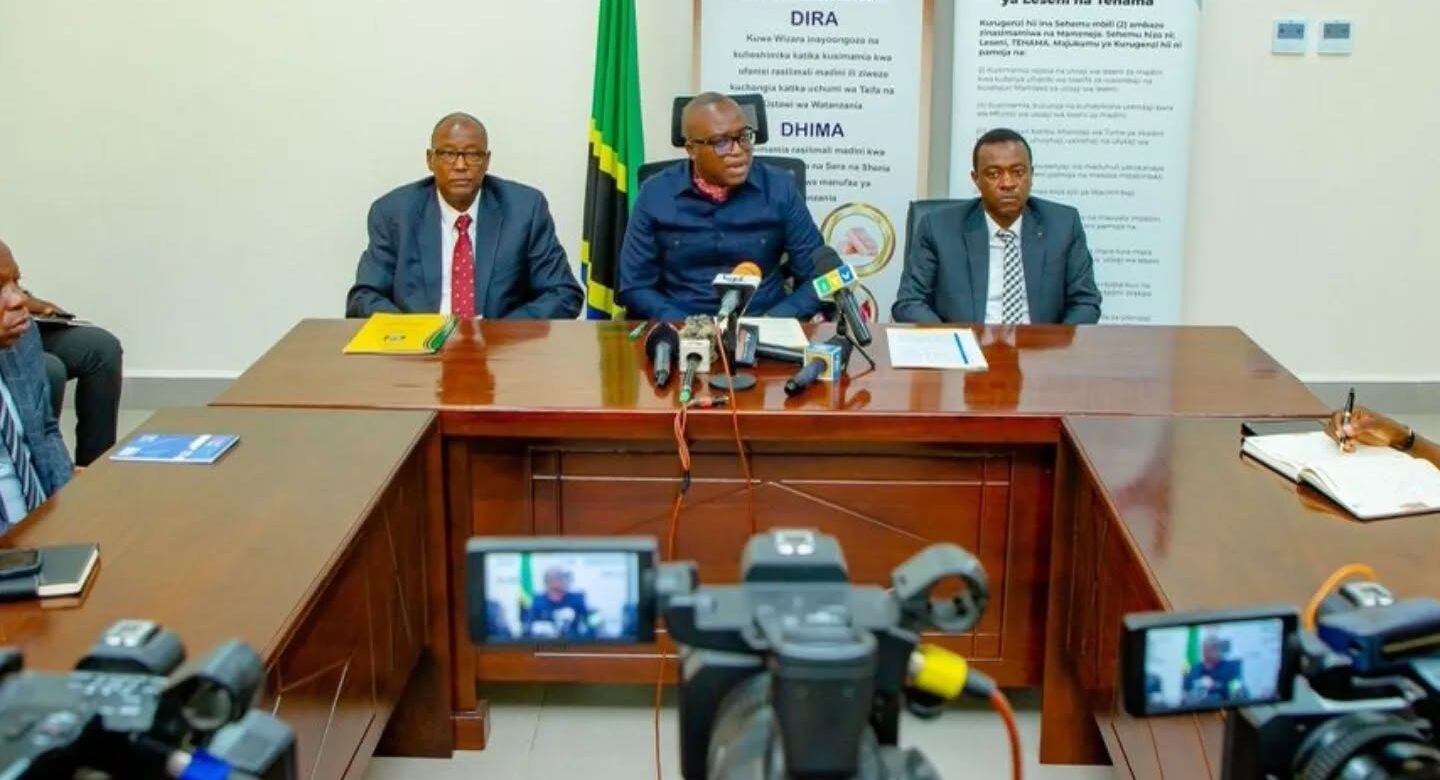
The Executive Secretary of the Tanzania Chamber of Mines, Mr Benjamin Mchwampaka, underscored the significance of this collective dialogue.
Mr Mchwampaka stated that the meeting was instrumental in allowing Ministers to candidly address the challenges that deter further investment in Africa.
He emphasised that harmonising policies between energy and mining sectors is vital for creating a predictable and attractive environment for international investors.
As the 2026 Mining Indaba continues, the shift in narrative from extraction to industrialisation signals a new era for African mining.