
Dar es Salaam. The World Bank has formally designated Tanzania as a strategic investment hub for Africa’s mining sector, marking a significant milestone in the country’s economic trajectory.
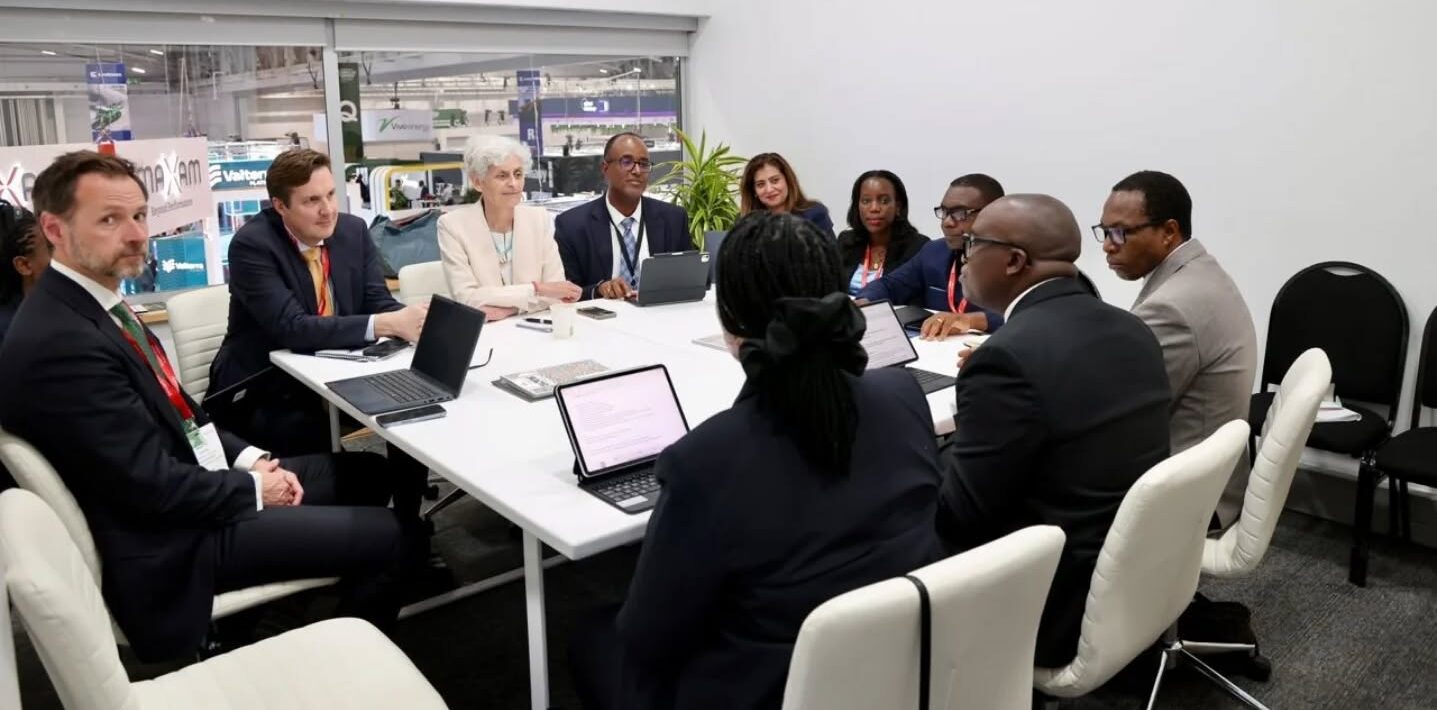
The announcement was following meetings between Tanzania’s Minister for Minerals, Mr Anthony Mavunde, World Bank officials and other stakeholders on the sidelines of the Mining Indaba 2026 in Cape Town, South Africa.
“The announcement reflects a decisive shift in how global financial institutions now perceive Tanzania’s role on the continent, Mr Mavunde noted.
He added that the designation elevates Tanzania from a participant in the global mining market to a central pillar of African mineral development.
It also signals a new phase of cooperation between the World Bank and the Tanzanian government.
“The move is grounded in sustained regulatory reforms, improved governance, and growing international confidence in the country’s political and economic stability,” Mr Mavunde added.
In its assessment, the World Bank identified Tanzania as a preferred destination for global capital.
It cited consistent policy improvements, stronger institutional frameworks, and a stable investment climate.
The institution described the country as a low-risk, high-potential environment.
It urged international investors and development partners to view Tanzania as a strategic gateway to African mineral opportunities.
The Bank also expressed satisfaction with the expanding contribution of the mining sector to Tanzania’s economic growth.
Value addition
A key factor behind the new status is Tanzania’s shift away from the export of raw minerals.
For decades, many African economies relied heavily on shipping unprocessed ores abroad.
Tanzania has embarked on a determined path towards domestic processing and refining. This policy has attracted strong international endorsement.
The World Bank supported the value-addition strategy as essential for translating mineral wealth into tangible development outcomes.
Domestic processing expands industrial capacity.
It deepens technical expertise.
It creates skilled employment. By retaining a larger share of the value chain, Tanzania enhances economic resilience and long-term growth prospects.
The Bank views value addition as a prerequisite for sustainable industrialisation.
Research, exploration
Another pillar of the World Bank’s support is geological research and exploration.
The institution underscored the importance of accurate and comprehensive geological data for long-term planning and sustainable exploitation of mineral resources.
It pledged to partner with the government to strengthen geoscientific research, modernise data systems, and expand exploration coverage.
Improved geological information lowers investment risk. It enhances project planning. It supports environmental management.
Transparent and reliable data enables investors to make informed decisions. It promotes efficiency. It reduces uncertainty.
The initiative aims to establish a world-class exploration environment.
Advanced technology, digital platforms, and open data systems will form the backbone of this effort.
The World Bank expects these reforms to reinforce Tanzania’s appeal as a preferred mining destination and a benchmark for the region.
The designation also strengthens Tanzania’s regional standing. It positions the country as a model for mining reform within the Southern African Development Community (SADC).
During the recent SADC Mining Ministers’ Meeting, Tanzania presented its reform agenda and shared policy experiences with regional peers.