
Dodoma. The government of Tanzania has formally responded to June 3, 2026’s vote within the European Parliament regarding the 2025 Development Cooperation Programme, emphasising that the decision represents an internal, preliminary stage rather than a definitive shift in bilateral relations.
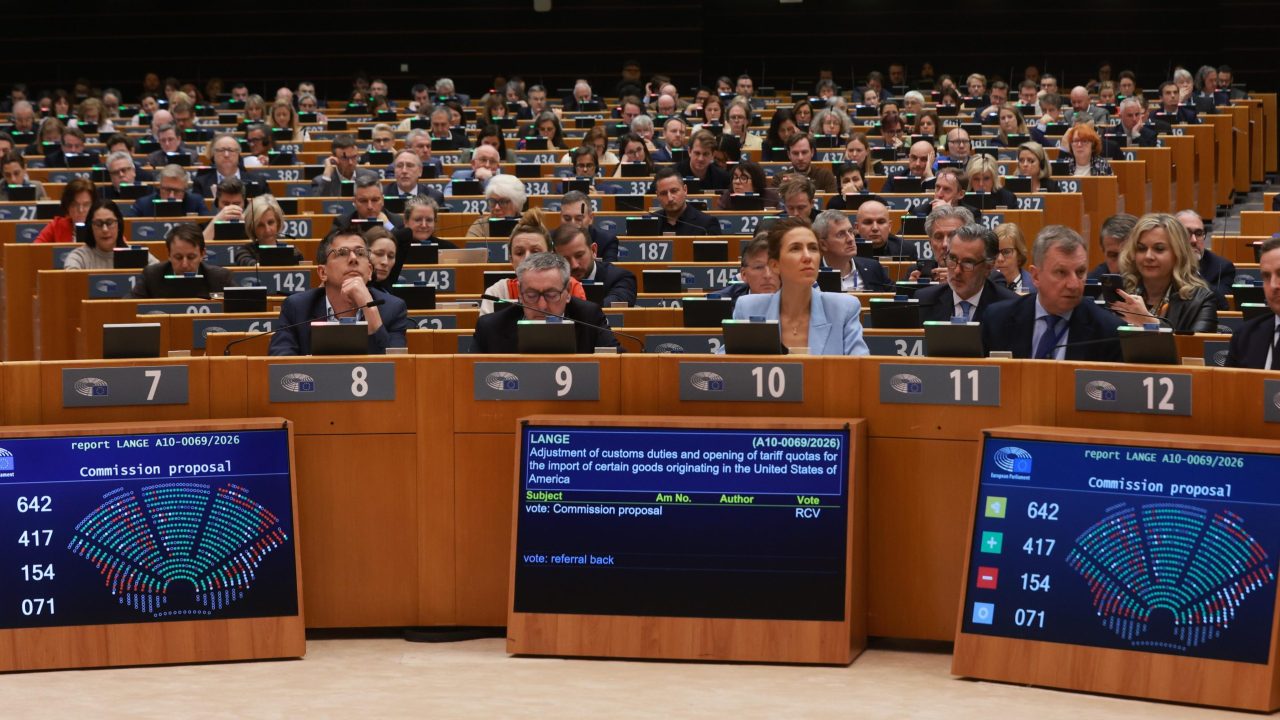
In an official press statement issued by the Government Communications Unit, dated June 3, 2026, the ministry of Foreign Affairs and East African Cooperation acknowledged the joint vote by the European Parliament’s Committee on Foreign Affairs and the Committee on Development.
The proposals concerning the development cooperation framework between Tanzania and the European Union achieved broad approval at the committee stage, securing 81 votes in favour, one against, and four abstentions.
Seeking to preempt potential diplomatic misunderstandings or speculative reporting, the Tanzanian government clarified that the vote forms part of a strictly internal legislative procedure within the European Parliament.
“In this regard, the recommendations adopted by the parliamentary committees should not be construed as a direct decision determining the future of relations between Tanzania and the European Union. The matter remains subject to the European Union’s internal processes and has not yet reached a final stage of decision-making,” the statement reads in part.
The Ministry observed that the proposals have only been scrutinised by the respective committee panels and must undergo substantial further steps before receiving final validation from the European legislature.
According to the structural guidelines detailed by the Ministry, any legislative proposals adopted at the committee level must subsequently be submitted to the Plenary of the European Parliament, which comprises more than 700 Members.
Only after a comprehensive debate and a full parliamentary vote can a definitive resolution be reached, meaning that the current tally represents merely one phase of an ongoing legislative timeline and does not constitute an official final stance.
Furthermore, the Tanzanian authorities reminded external observers that formal relations between the European Union and its partner countries are executed through the European Commission, which acts as the executive branch of the bloc.
In line with conventional parliamentary frameworks, recommendations endorsed by legislative committees or the Parliament itself are forwarded to the relevant executive bodies for subsequent consideration and implementation.
Consequently, the Ministry stressed that the outcome should not be interpreted as a direct executive decision governing the long-term future of Tanzanian-European engagement.
“The Ministry wishes to reassure the public that relations between the United Republic of Tanzania and the European Union remain strong and continue to flourish across a broad range of areas of mutual interest,” the statement reads.
The Ministry reconfirmed that well-established diplomatic mechanisms for consultation and bilateral dialogue remain fully active, ensuring that all aspects of the partnership are managed in a constructive and mutually respectful manner as the government remains dedicated to advancing its shared development objectives.