
Dar es Salaam. Tanzania has unveiled a bold and strategic economic agenda, signalling a decisive shift toward self-reliance, youth-centred development, and accelerated infrastructure growth over the next five years.
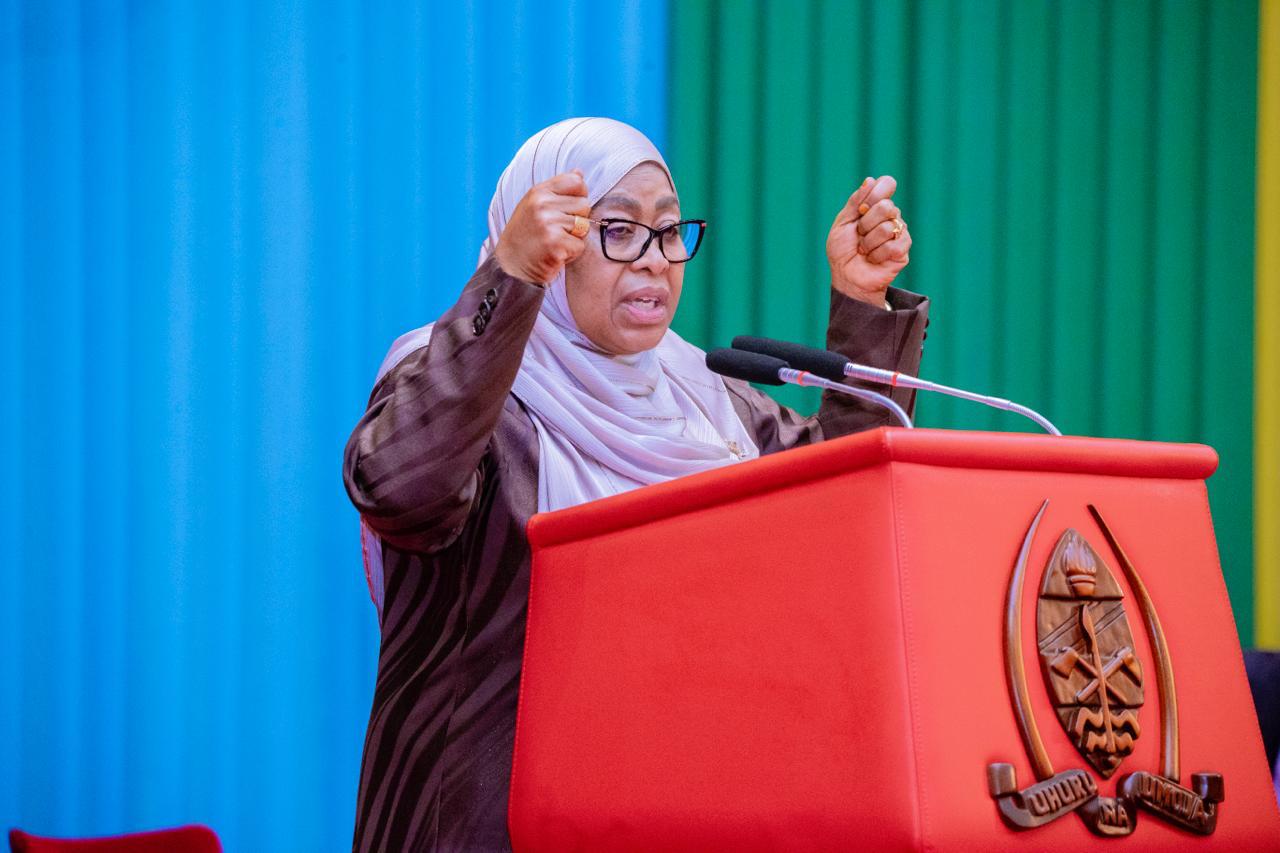
The new direction — articulated by President Samia Suluhu Hassan during the official opening of Parliament on November 13 and reinforced during the Cabinet inauguration on November 18 — marks one of the most comprehensive economic repositionings in recent years.
A reset shaped by political and fiscal realities
This policy pivot comes in the wake of post-election turbulence, which President Samia admitted had “tarnished our record” and contributed to expected reductions in financing from traditional development partners.
Rather than tightening spending or retreating from development commitments, the government has responded by rethinking its economic foundations.
Central to this recalibration is a renewed emphasis on mobilising domestic resources, strengthening public service delivery, and creating an environment that nurtures innovation, entrepreneurship, and private-sector dynamism.
The first 100 days: building credibility through service delivery
The administration’s early priorities have focused on visible improvements in social services and employment — a move aimed at rebuilding public trust and laying the groundwork for long-term growth.
Within just 12 days of taking office, the government announced the recruitment of 7,000 teachers and 5,000 health workers to address persistent gaps in classrooms and health facilities nationwide.
Complementing this, the rollout of a Universal Health Insurance pilot seeks to ensure that all Tanzanians gain access to standardised, quality healthcare.
President Samia also emphasised integrating digital systems across health centres to enhance efficiency, transparency, and equitable service delivery — a signal that public sector reform is central to her broader economic vision.
Harnessing natural resources as engines of financing
A major cornerstone of the new economic agenda is the innovative use of natural resources — particularly minerals — as collateral to finance Tanzania’s development ambitions.
During the Cabinet swearing-in ceremony on November 18, President Samia underscored that Tanzania would “start implementing grand projects using domestic funds,” stressing that development partners “will find us already ahead.”
This approach involves strengthening capital markets, using mineral reserves to back long-term investment loans, and reducing dependence on external borrowing. Supporting this shift, the government plans to finalise a Critical Minerals Strategy by 2030 and establish a Sovereign Wealth Fund to preserve mineral wealth for future generations — preventing, as the President put it, the legacy of “just holes.”
The mining sector is expected to play a significantly expanded role, with targets to increase its GDP contribution to 10.1 per cent by 2024.
The five-year blueprint: infrastructure, industry, and youth
Guided by Dira 2050, the government’s five-year roadmap places strategic sectors — infrastructure, industrialisation, and youth empowerment — at the core of national transformation.
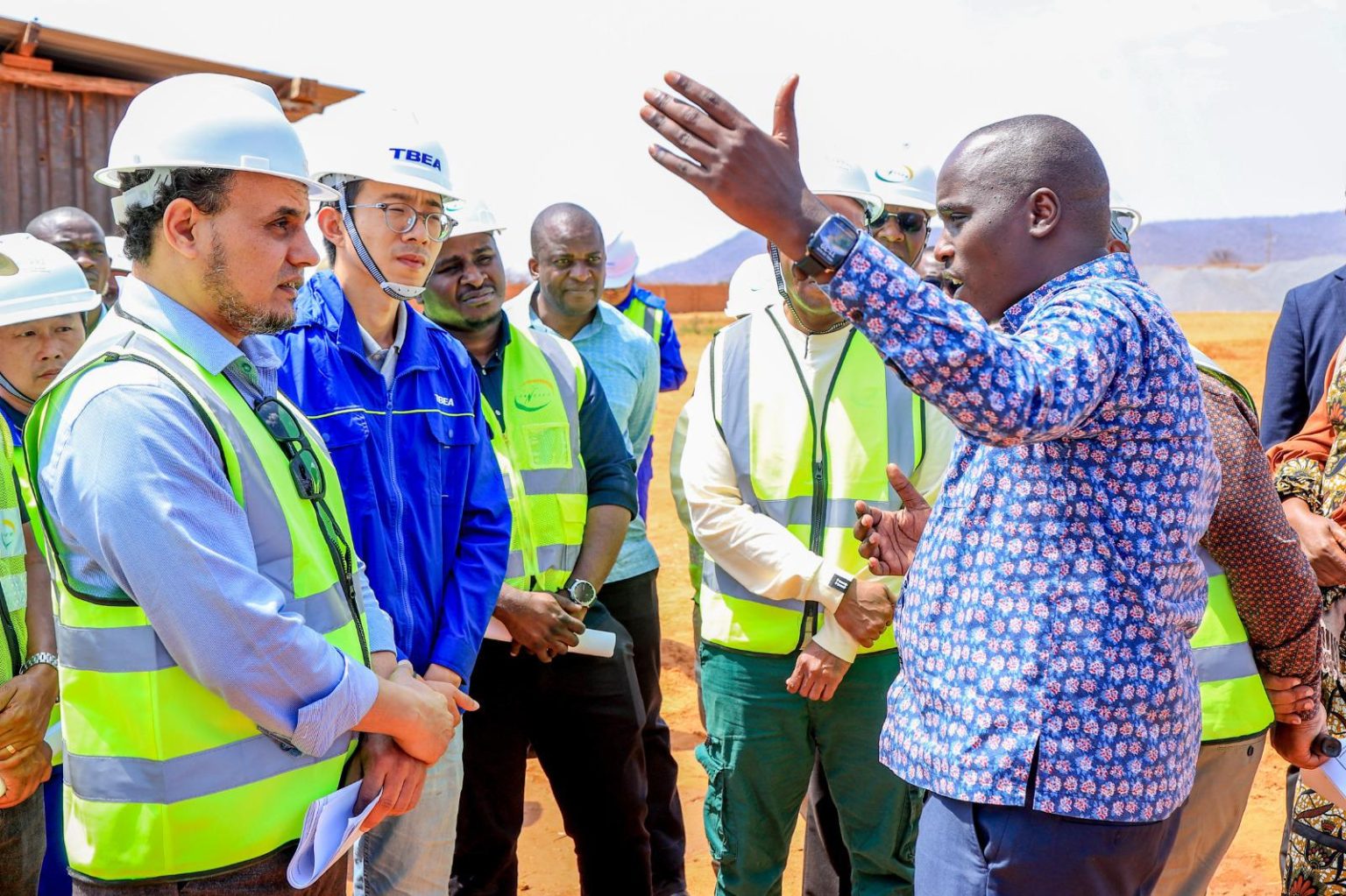
Government spokesperson Gerson Msigwa confirmed on November 23 that major projects are progressing on schedule and are poised to transform economic activity across the country.
Railways: building the backbone of national logistics
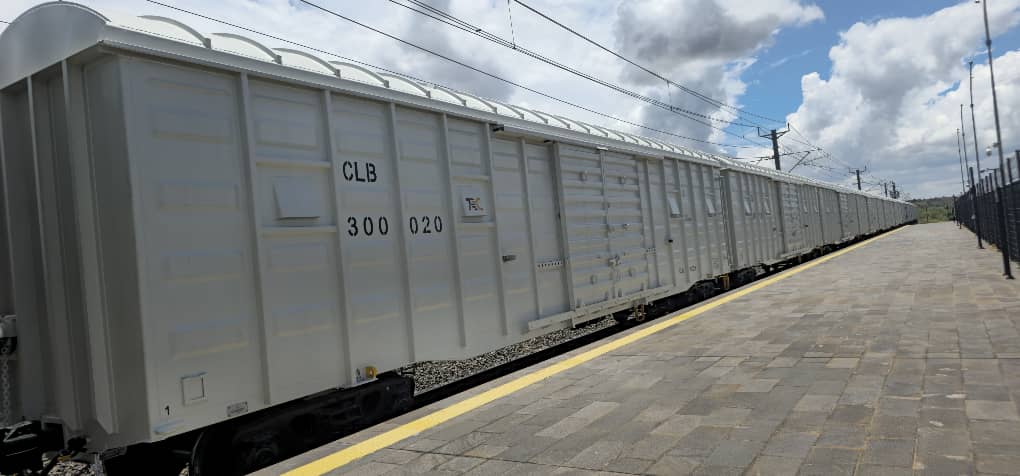
The Standard Gauge Railway (SGR) continues advancing across all eight segments, including crucial links such as Makutupora–Tabora, Tabora–Isaka, Isaka–Mwanza, Tabora–Kigoma, and Kigoma–Burundi.
Preparatory work is underway for two new corridors — the Northern
Corridor (Tanga–Arusha–Musoma, 1,028 km) and the Southern Corridor (Mtwara–Mbambabay, 1,000 km).
Rehabilitation of existing Metre Gauge Railways (MGR) is ongoing, and the government plans to introduce private operators, starting with Tazara, to reduce transport costs and improve efficiency.
Ports: expanding regional trade gateways
Rehabilitation works are progressing at Mwanza, Kigoma, and Kalema ports on the Great Lakes, while new vessels — including the MV Mwanza — are being commissioned.
The government aims to increase national port traffic from 32 million tonnes to 50 million tonnes by 2029.
Two major connectivity initiatives anchor this push: linking Tanga Port to Musoma Port, and connecting Mtwara Port to the new Mbambabay Port on Lake Nyasa — boosting trade and deepening regional integration.
Air transport: strengthening international reach
Air Tanzania (ATCL) has expanded its fleet to 16 aircraft, with plans to add eight more by 2030.
The goal is to operate 50 domestic and international routes, widening trade, tourism, and investment linkages.
Energy: powering Tanzania’s industrial ambitions
The government aims to connect all regions to the national power grid by 2030, while negotiations on a $42 billion natural gas extraction project are in advanced stages — signalling a long-term strategy to harness domestic energy resources for industrial and household demand.
Industrialisation and value addition
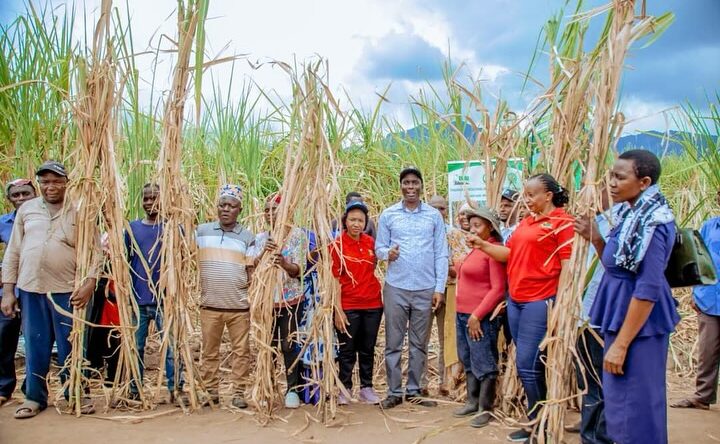
Industrialisation remains central to the economic transformation agenda. The government plans to establish industrial clusters in all districts, prioritising value addition in agriculture, fisheries, livestock, and minerals.
Large-scale projects such as the Buzwagi Industrial Cluster, expected to create 300,000 jobs, and the Kilwa Fishing Port, projected to generate 30,000 jobs, demonstrate a dual objective: advancing national industrial capacity while delivering mass employment.
A youth-driven economic future
With over 60 per cent of the population under 35, youth empowerment is not peripheral — it is the core of the national strategy.
President Samia announced plans to elevate youth affairs to a full Ministry, signalling an institutional commitment to youth-led economic activity.
Working with the private sector, the government will introduce Youth Investment Windows to provide concessional loans, start-up capital, and opportunities in emerging digital sectors.
A new Digital Technology Institute and expanded network coverage aim to improve skills and financial inclusion.
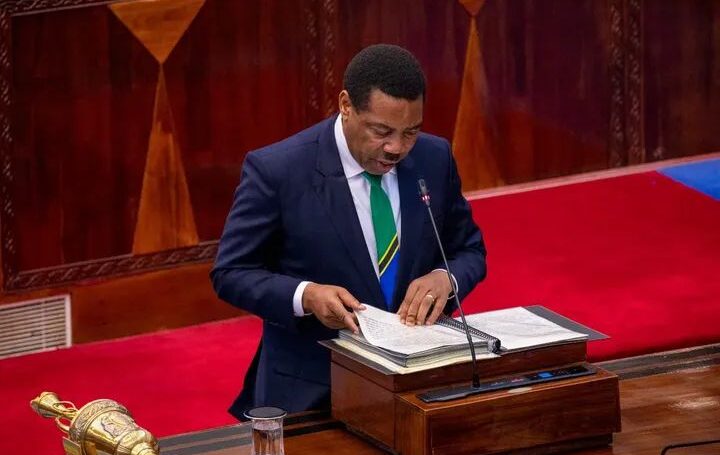
Prime Minister Dr Mwigulu Nchemba reinforced this vision on November 25, urging Tanzanians to cultivate a culture that supports private investment, describing it as “vital in the fight against poverty.”
A new era of economic sovereignty
President Samia’s administration is charting a course defined by self-determination, strategic resource utilisation, and accelerated project execution.
By combining immediate social interventions, innovative financing, and mega-project implementation, the government is laying foundations for sustained and inclusive growth.
The five-year roadmap — underpinned by youth empowerment, industrialisation, and infrastructure expansion — marks a deliberate move away from aid dependency.
It positions Tanzania as a nation harnessing its natural wealth, human capital, and strategic investments to fulfil the long-term aspirations of Vision 2050.
Tanzania’s economic trajectory under President Samia reflects a blend of pragmatism, ambition, and inclusivity — offering a development blueprint that balances immediate needs with long-term structural transformation.