
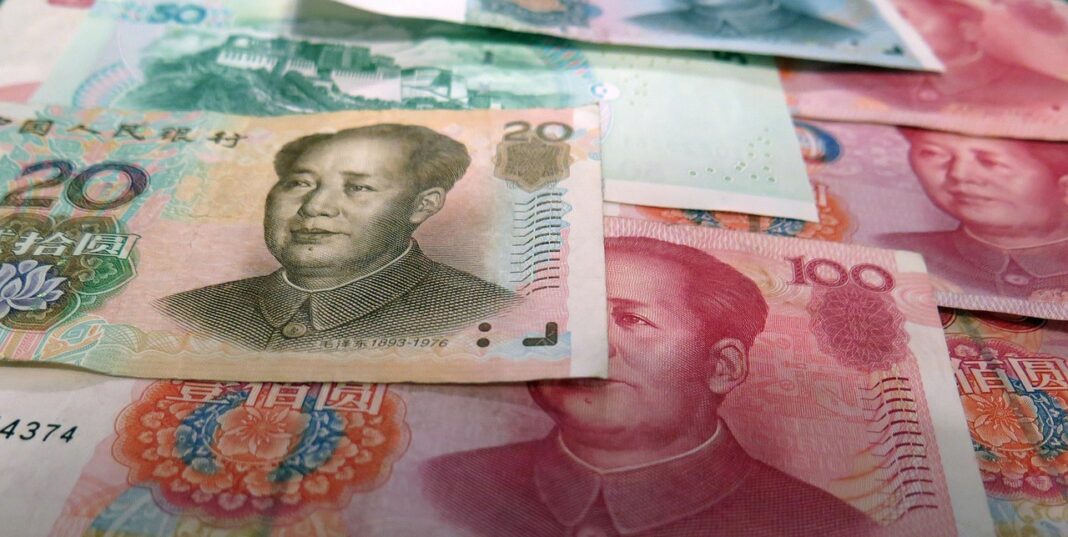
Lusaka. Zambia has announced that it will begin accepting mining tax payments in the Chinese yuan, a policy shift that signals a deepening of economic and financial ties between Africa’s second-largest copper producer and China, its biggest bilateral creditor and a major investor in the mining sector.
The decision, confirmed by the Ministry of Finance and National Planning, allows mining companies operating in the country to settle selected tax obligations in yuan alongside traditional currencies such as the US dollar and the Zambian kwacha.
Officials said the move is intended to improve foreign exchange liquidity, reduce transaction costs for investors with yuan-denominated revenues or financing, and broaden the range of currencies used in government revenue collection.
Mining remains the backbone of Zambia’s economy, accounting for more than 70 percent of export earnings and a significant share of government revenue.
China plays a dominant role in the sector, with Chinese firms holding substantial stakes in copper mines, smelting facilities and related infrastructure.
Over the past two decades, China has also emerged as Zambia’s largest bilateral lender, financing roads, power projects and industrial facilities.
Government officials said the acceptance of yuan-denominated tax payments reflects the changing structure of global trade and finance, noting the growing international use of the Chinese currency, particularly in commodities trade.
They added that the policy is consistent with Zambia’s broader efforts to diversify its sources of foreign exchange and strengthen macroeconomic stability.
Economists say the move could ease pressure on Zambia’s dollar reserves, which have been strained in recent years by debt servicing obligations, import demand and currency volatility.
By receiving yuan directly, the government may reduce the need to convert payments into dollars, potentially lowering exposure to exchange rate risks and transaction fees.
However, analysts have also urged caution, pointing out that the effectiveness of the policy will depend on how the yuan is managed within the country’s reserves and whether it can be readily used for external obligations.
Zambia’s external debt servicing, including payments to multilateral and private creditors, is largely denominated in dollars and euros.
The policy shift comes as Zambia continues to implement economic reforms under an International Monetary Fund-supported programme, following the restructuring of a large portion of its external debt.
The government has repeatedly pledged to restore fiscal discipline, enhance revenue mobilisation and create a more predictable investment climate, particularly in the mining sector, which has been affected in the past by frequent tax and regulatory changes.
For mining companies, especially those with strong commercial links to China, the option to pay taxes in yuan is expected to simplify financial operations.
Industry representatives said it could improve cash flow management and reduce currency conversion costs, although they stressed the need for clear guidelines on which taxes qualify and how exchange rates will be applied.
Zambian authorities said detailed implementation guidelines will be issued in the coming weeks, including the specific tax categories covered and the role of the central bank in managing yuan inflows.
They emphasised that the policy does not replace the use of other currencies but adds flexibility to Zambia’s fiscal framework at a time of shifting global economic dynamics.