
Dar es Salaam. As Tanzania charts its path toward becoming an upper-middle-income economy, the proposed 2025/26 Ministry of Works budget reveals more than just numbers — it marks a deliberate policy shift toward equitable development, local capacity building, and the integration of modern technologies.
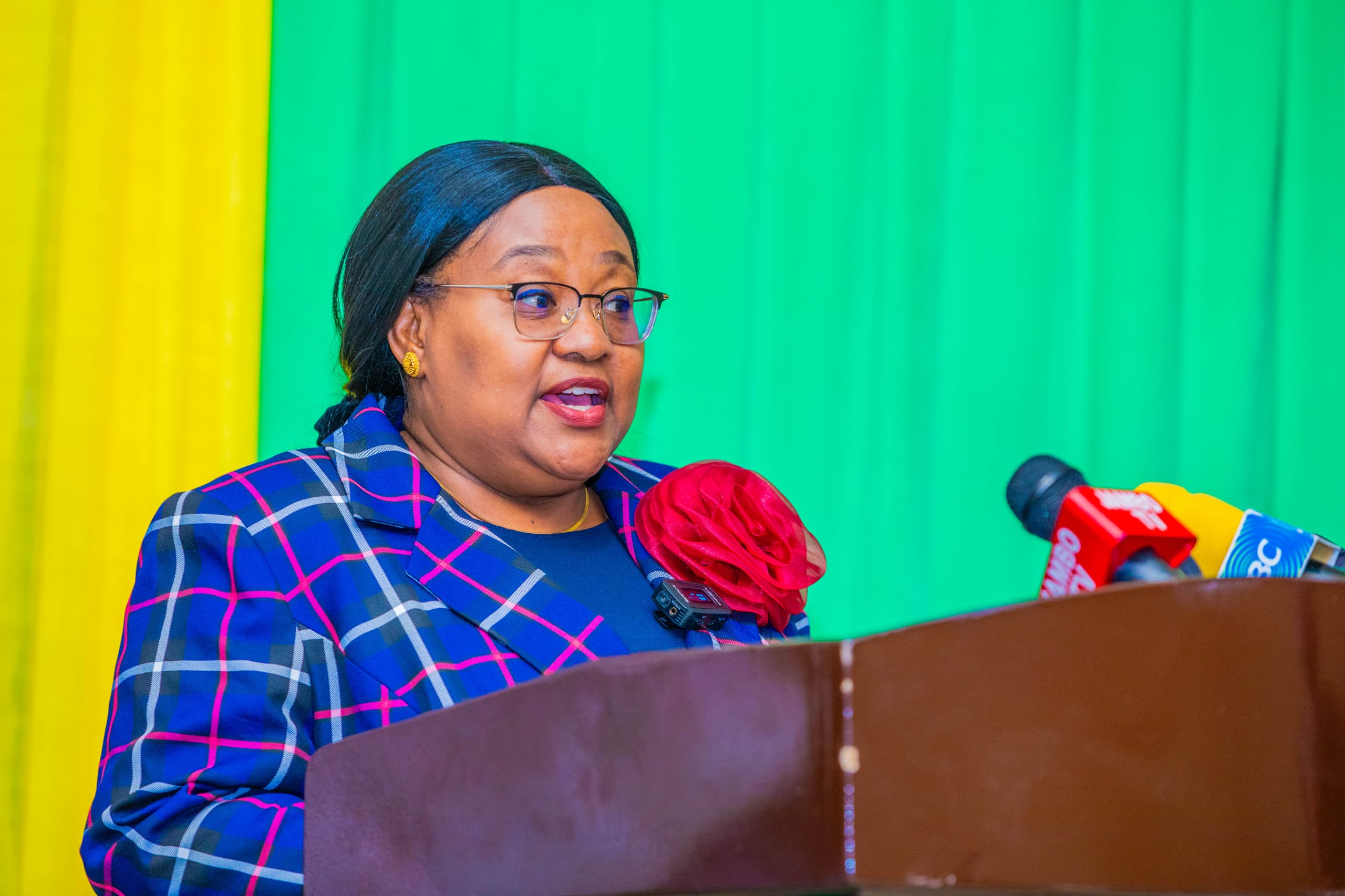
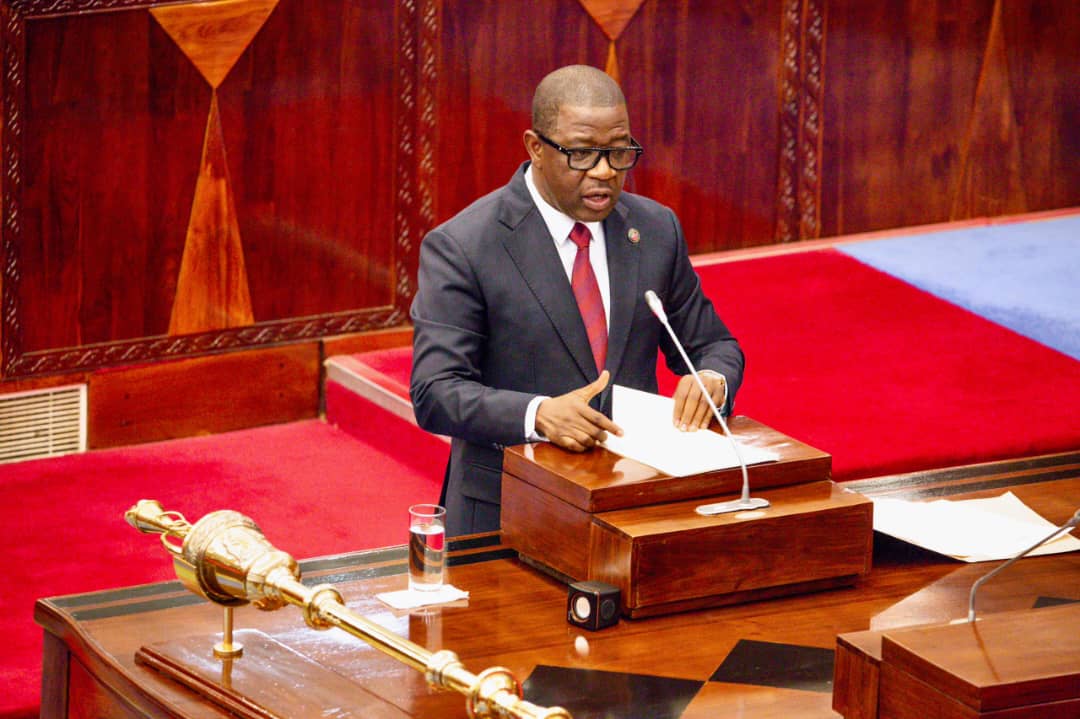
In his budget speech to Parliament in Dodoma on Monday, May 5, 2025, Minister for Works Abdallah Ulega requested the approval of Sh2.28 trillion — a sizable allocation aimed at reinforcing the government’s long-standing commitment to infrastructure as the backbone of Tanzania’s economic transformation.
But beyond roads and bridges, this budget also tells a story of social values, political direction, and economic recalibration.
The infrastructure imperative
“Honorable Speaker, we have made significant progress… but there are still areas unreachable throughout the year,” Mr Ulega told Parliament, acknowledging both achievement and unfinished business.
His words echo a larger truth: infrastructure is not just about movement — it’s about equity. For millions of Tanzanians, poor roads mean isolation from schools, hospitals, markets, and opportunity.
The proposed budget focuses heavily on expanding the national road network — particularly in rural and underserved regions — while strengthening links to regional capitals and neighboring countries. Such investments are crucial not only for economic integration but also for political cohesion, especially as the government faces pressure to deliver tangible development to all corners of the country.
Urban growth is another key driver. Tanzania’s major cities — Dar es Salaam, Dodoma, Arusha, Mwanza, Mbeya, and Morogoro — are grappling with rising congestion.
The budget sets aside funds for bypass roads and decongestion projects, aiming to balance infrastructure with the realities of rapid urbanization.
Infrastructure as a human right?
What stood out most in Mr Ulega’s speech, however, was his repeated emphasis on “utu” — human dignity.
It’s a term not commonly heard in budget debates, yet central to President Samia Suluhu Hassan’s leadership style.
Mr Ulega shared how the President, when responding to flood crises, always prioritized the safety and welfare of citizens before technical details.
“We have national plans and priorities, but we also look at the dignity of our people,” Ulega said. “Infrastructure damage should not force people to live as if they are not human.”
This framing shifts infrastructure from being merely a capital investment to a social responsibility — a move that may strengthen public support and increase accountability in project execution.
Reforming the system from within
The budget also signals a push for systemic reform.
The Ministry of Works plans to install automated weighbridge systems, complete with cameras and modern machinery, to reduce corruption and human error — long-standing problems that have burdened transporters and drivers.
This technological overhaul comes in response to widespread complaints from road users about inconsistent enforcement and bribery.
By reducing the human interface at these points, the ministry hopes to increase trust and operational efficiency.
Additionally, the government is undertaking a review of policies and systems within the ministry to align with sustainable development and emerging technologies — a subtle but important step toward long-term institutional modernization.
Local empowerment with real money
One of the more ambitious — and politically strategic — moves in this budget is the decision to raise the contracting threshold for local firms from Sh10 billion to Sh50 billion.
This policy is a deliberate attempt to build domestic capacity, reduce capital flight, and ensure that Tanzanian companies play a bigger role in national development.
“Local contractors will now be prioritized for all construction projects valued up to Sh50 billion,” Mr Ulega confirmed.
“This will expand the flow of money within the country and boost their ability to manage large projects.”
The move could stimulate local job creation, expand skills, and promote the emergence of a stronger, self-reliant construction sector.
But its success will depend heavily on oversight, transparency in awarding contracts, and support for local firms to scale up responsibly.
Spotlight on achievements
Looking back, Mr Ulega cited near-completed projects as proof of momentum.
Most notably, the Magufuli Bridge in Mwanza — now 99 percent complete — will soon become the longest bridge in East Africa, stretching 3.2 kilometers.
Once operational, it is expected to reduce a two-hour ferry journey to a three-minute drive — a striking example of how infrastructure can transform daily life.
He also highlighted the entry of Bakhresa Group’s ferry services in Kigamboni, which has eased longstanding transport challenges, showcasing the value of public-private partnerships in filling infrastructure gaps.
The ministry also plans to install 5,200 streetlights across over 200 towns, a safety measure that doubles as a strategy to extend commercial activity after dark — particularly in town centers and highways where accidents and crime are more common.
The road ahead
While the Parliament continues to debate the budget through May 6, the proposals laid out mark a significant chapter in Tanzania’s infrastructure journey.
This is not just about tarmac and steel. It’s about values, visibility, and a vision for a more connected, safer, and fairer Tanzania.
If endorsed by Parliament and implemented effectively, the Sh2.28 trillion budget could become more than just a fiscal plan — it could stand as a symbol of Tanzania’s determination to build not only its roads, but also its future.