

Dodoma. The parliamentary standing committee on Energy and Minerals has commended the ministry of Energy for what it described as commendable progress recorded during the first 100 days of President Samia Suluhu Hassan’s leadership, citing, among other achievements, the commencement of electricity supply to 9,009 sub-villages across the country.
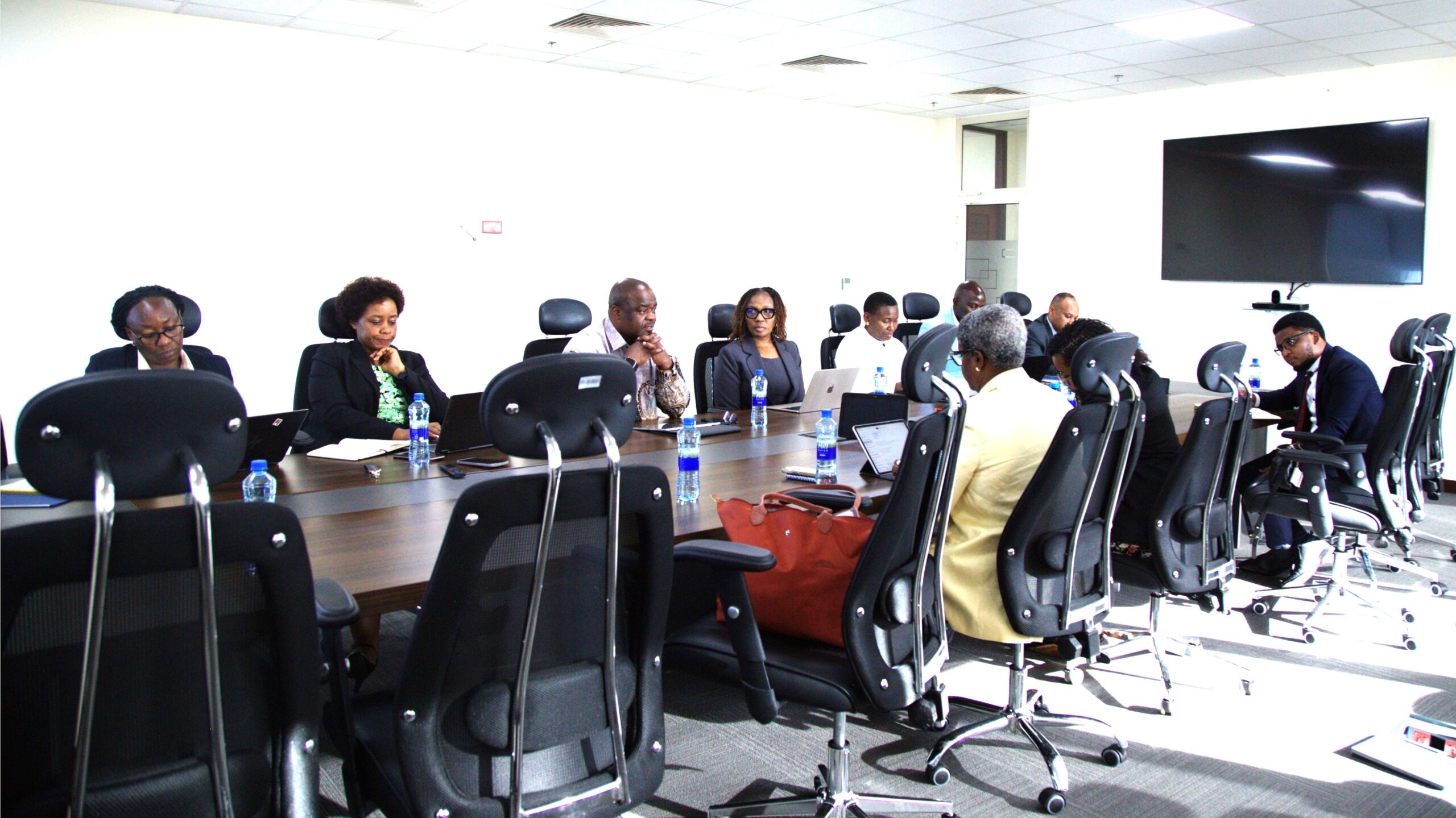
The praise was delivered on January 20, 2026, in Dodoma by the committee’s chairperson, Ms Subira Mgalu, during the inaugural meeting between the committee and the Ministry of Energy, together with its affiliated institutions.
The session was intended to familiarise committee members with the ministry’s organisational structure, mandate, as well as the policies and laws guiding the development of the energy sector.
Ms Mgalu said the milestones attained within the 100-day period underscored the government’s resolve to ensure the availability of reliable and affordable energy for citizens, noting that the pace set augured well for the second term of the Sixth Phase Government.
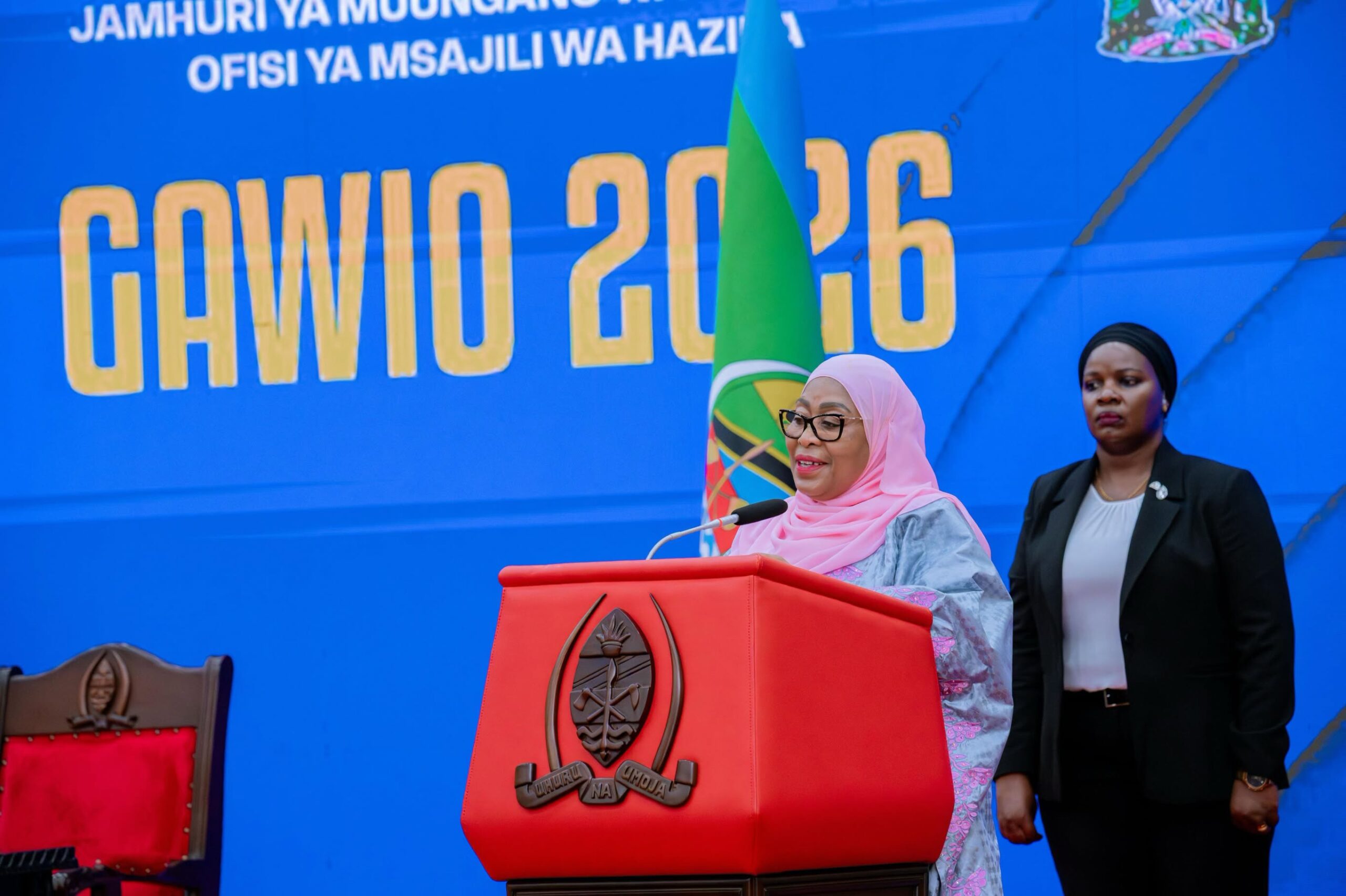
“I wish to congratulate the Ministry of Energy and its institutions for the commendable work you continue to undertake in strengthening the energy sector. These achievements have become clearly evident within the first 100 days of the leadership of President Samia Suluhu Hassan,” she said.
She highlighted the commissioning of the Mtera Power Station as a key intervention expected to enhance electricity supply in Dodoma and Iringa regions, alongside the launch of the nationwide programme to connect power to 9,009 sub-villages.
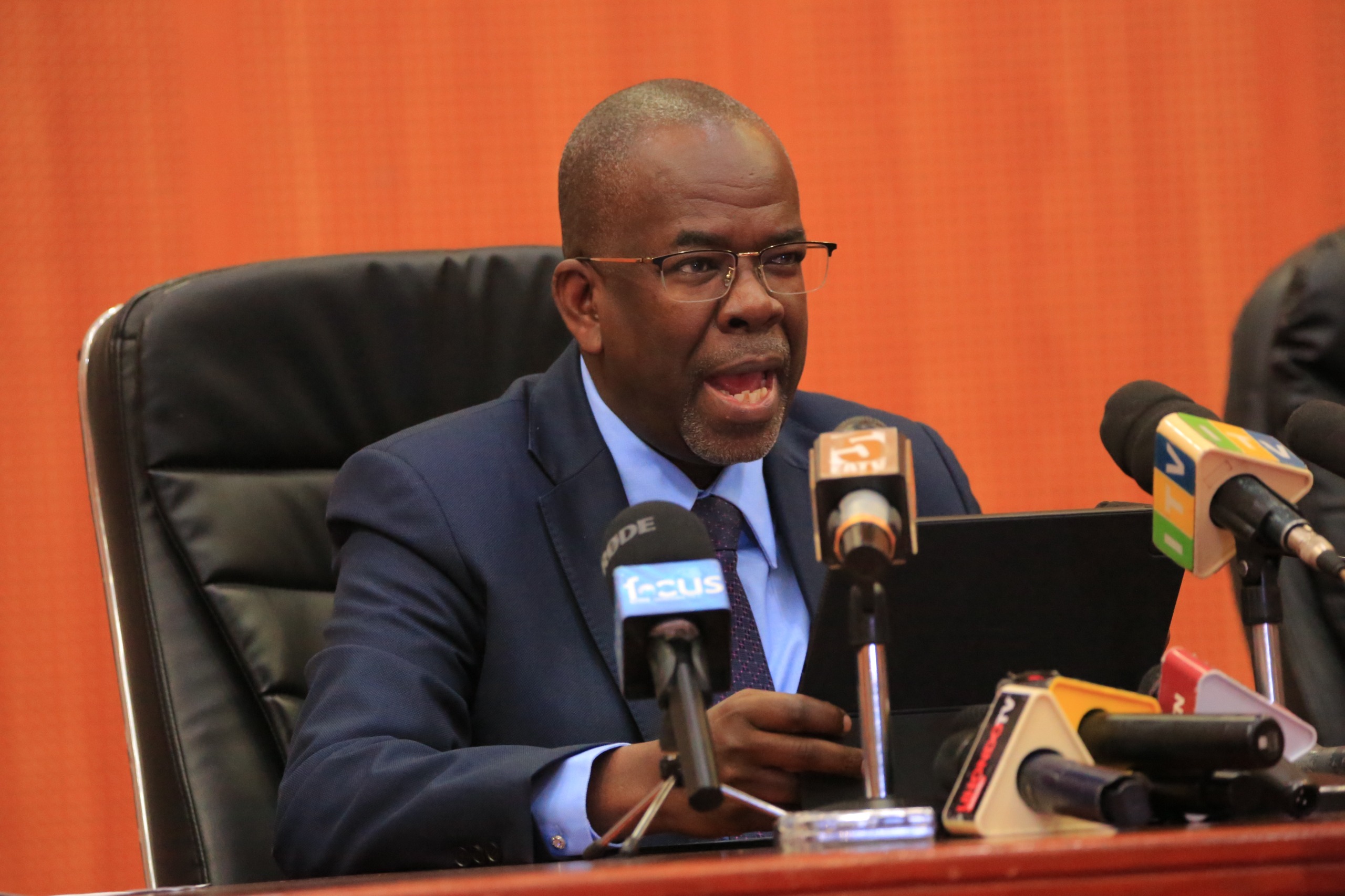
For his part, the minister for Energy, Mr Deogratius Ndejembi, said the ministry would continue to ensure that the energy sector makes a meaningful contribution towards the attainment of national and global development goals, while deepening its role in economic growth and social welfare.
He noted that the government would further develop and utilise Tanzania’s diverse energy resources to realise the target of generating 8,000 megawatts of electricity by 2030, while increasing per capita electricity consumption to an average of 3,000 kilowatt-hours by 2050.