
Dodoma. While many nations across the globe grapple with the volatile nature of energy markets, Tanzania’s electricity tariffs have remained stable.
For nearly a decade, the cost of electricity for the average Tanzanian consumer has remained remarkably consistent.
Domestic lifeline customers consuming up to 75 units per month continue to pay Sh100 per unit, while standard domestic users under the D2 category are charged Sh273 per unit, rates that have remained unchanged since 2016.
This stability is the result of a deliberate, long-term fiscal strategy designed to shield consumers from the rising costs of industrial overheads.
In recent years, global prices for essential electrical infrastructure, ranging from high-tension copper wiring to advanced digital metering systems, have surged.
Under normal market conditions, these mounting expenses would typically be transferred to consumers through gradual tariff adjustments across domestic, commercial and industrial bands.
However, Tanzania has opted for a different path, absorbing these cost pressures while maintaining flat tariffs across major categories.
Low-voltage commercial and general-purpose users under the T1 tariff continue to pay Sh256 per unit, while industrial customers on time-of-use arrangements have seen peak and off-peak rates remain unchanged for years.
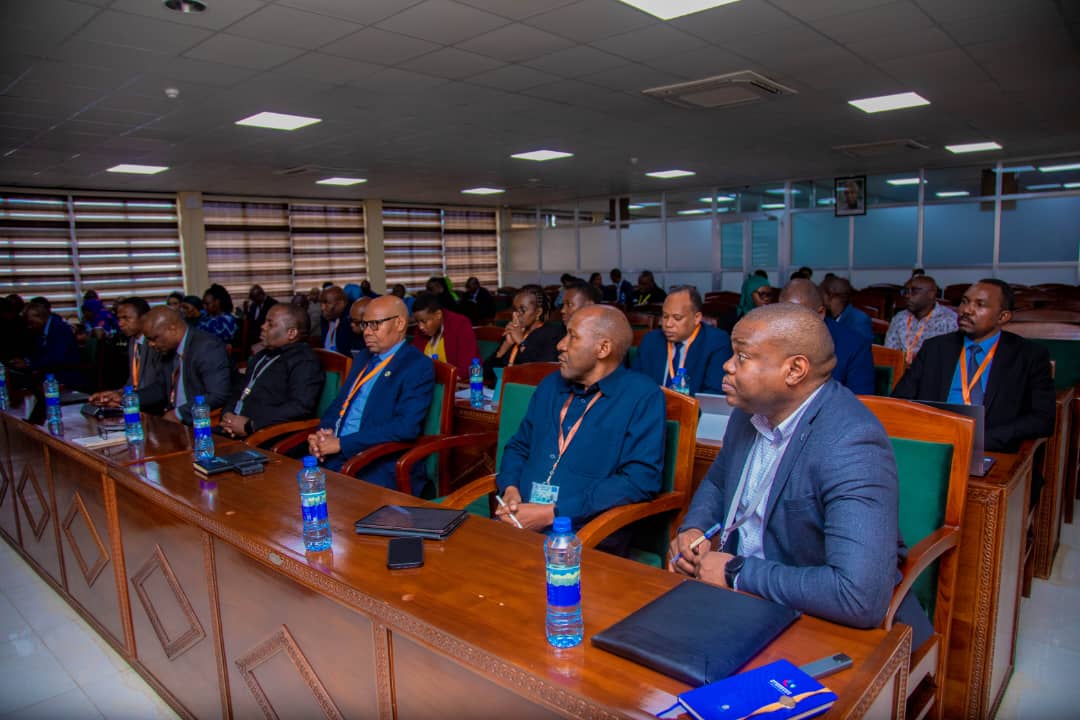
Speaking during the second session between officials from the ministry of Energy and its affiliated institutions and the parliamentary standing committee on Energy and Minerals on January 21, 2026, the Minister for Energy, Mr Deogratius Ndejembi, said the government views affordable electricity not as a luxury, but as a primary catalyst for industrialisation and rural development.
He added that the government has remained steadfast in ensuring that rising equipment and generation costs do not cascade to households or productive sectors.
He noted that this approach has supported steady grid expansion, with national electricity connectivity now standing at 52 per cent.
“The Energy Plan signed in January 2025 during the African Heads of State Summit serves as the blueprint for reaching a 75 per cent connectivity rate by 2030,” Mr Ndejembi said.
Part of this modernisation includes the nationwide rollout of smart meters, which are expected to enhance billing efficiency and reduce operational costs by enabling instant token purchases without a separate Customer Interface Unit (CIU).
From an economic perspective, the dividends of stable and predictable electricity tariffs are becoming increasingly visible.
Ms Subira Mgalu, chairperson of the parliamentary standing committee, said reliable and affordable power has underpinned growth in industrial and mining activities.
These sectors have contributed significantly to the Tanzania Revenue Authority (TRA) recording a historic Sh4.13 trillion in revenue collection in the previous month.
This momentum is being supported by a diversified generation portfolio.
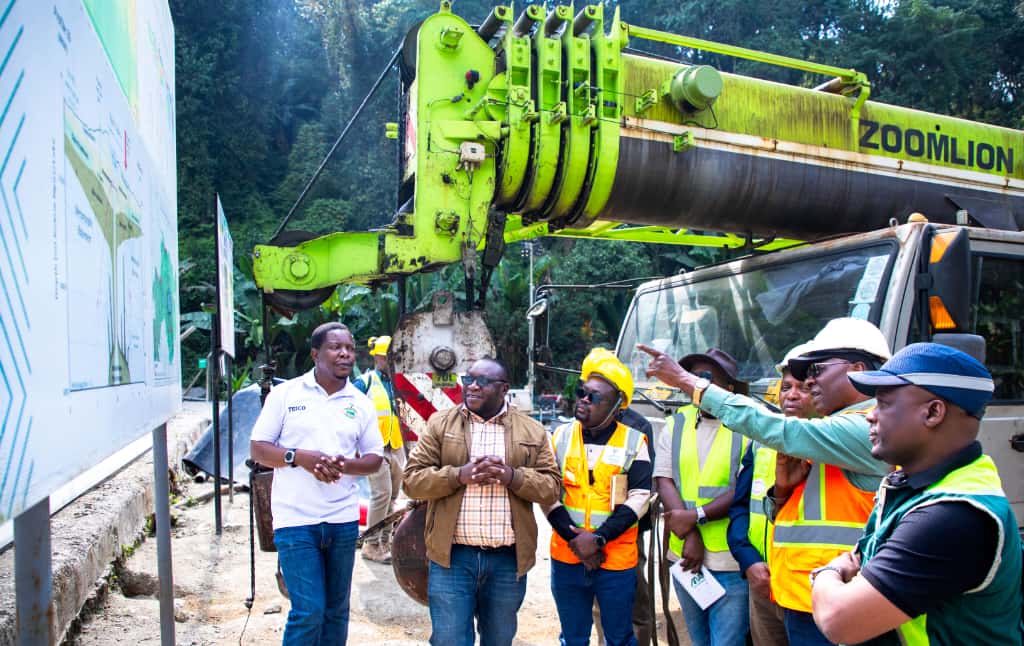
The 2,115MW Julius Nyerere Hydropower Project (JNHPP) remains central to national supply, complemented by projects such as the 50MW Kishapu solar plant and the 49MW Malagarasi hydropower scheme.
By maintaining stable tariffs across consumer categories while expanding generation capacity, Tanzania is positioning itself as a regional example of energy-driven economic resilience in East Africa.