
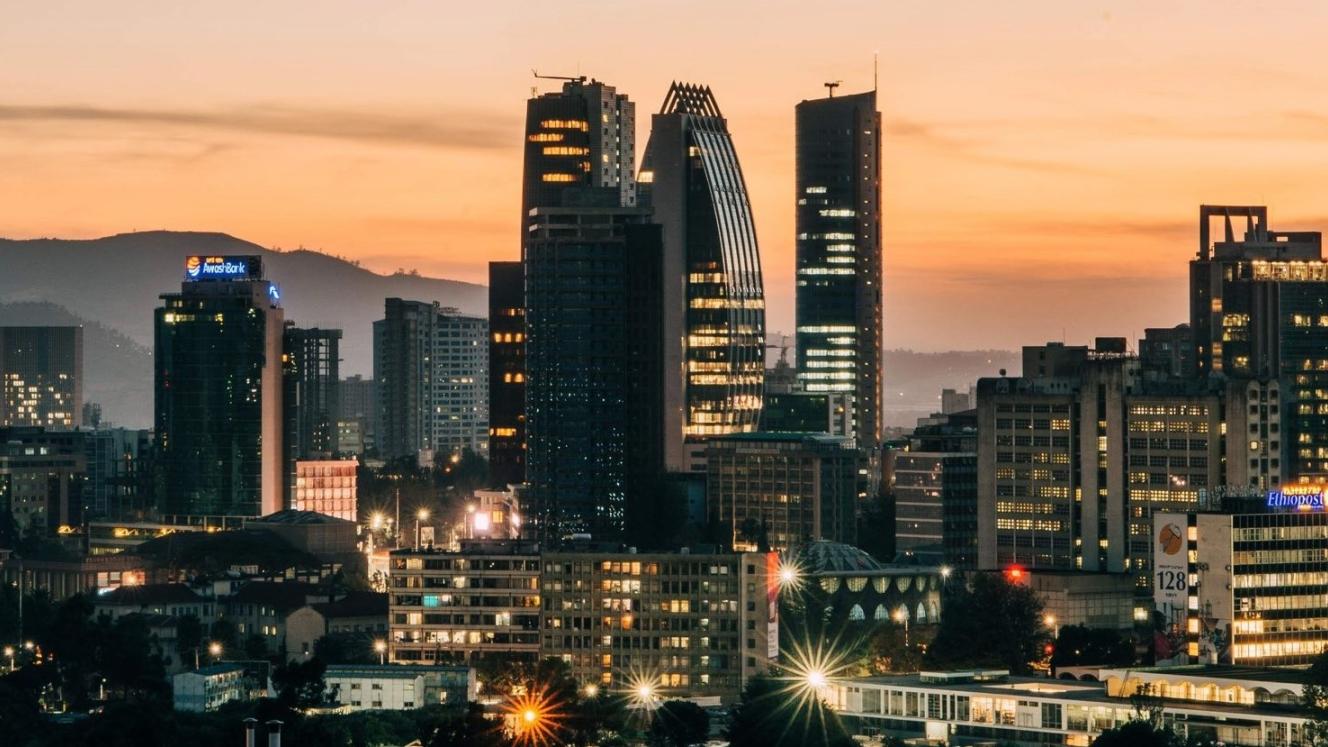
Addis Ababa has transformed. What was once primarily an administrative centre has grown into Africa’s political and symbolic capital.
Perched at altitudes ranging from approximately 2,326 metres to more than 3,000 metres, it is the highest capital city in Africa and the fourth highest in the world.
The high altitude gives it a temperate climate that is ideal for travellers from varied geographical locations as opposed to festering heat and humidity in many coastal cities from both eastern and western African cities.
This elevation, combined with its historical legacy as both an imperial capital, also gives the city a layered identity: one of struggle, resilience, and rebirth.
Today, New Flower, its Amharic name, embodies ambition, governance, and vision.
The city commands attention not merely as the headquarters of the African Union, but as a dynamic urban hub where modern infrastructure meets history.
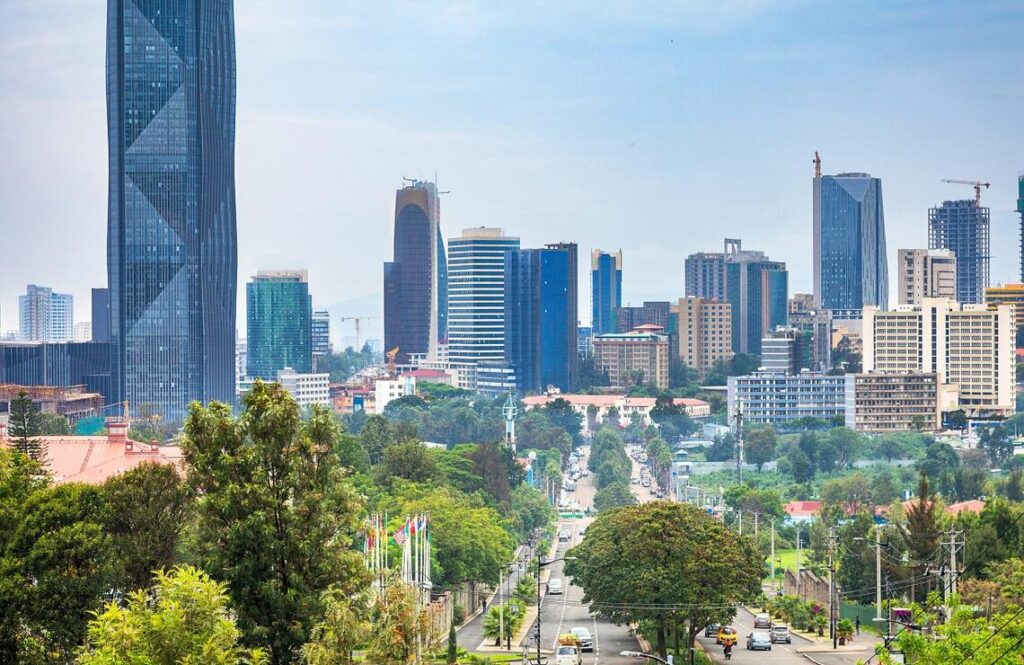
Its skyline, real estate developments, shopping centres, and cultural institutions illustrate rapid economic growth and the emergence of a vibrant middle class.
Addis Ababa is also the home of Ethiopian Airlines, Africa’s leading airline, making it the continent to the world.
Commendation
Leaders across Africa have recognised this transformation.
Ghana’s President John Dramani Mahama called it “beautiful,” affirming that it “truly qualifies as Africa’s capital.”
South Africa’s President Cyril Ramaphosa praised its safety, cleanliness, and illuminated nightscape, noting that Johannesburg could learn from its example.
AU Chairperson Mahmoud Ali Youssouf described Addis Ababa as “growing and beautiful,” a testament to African progress.
These endorsements reflect recognition of a city that has leveraged both its political centrality and cultural heritage to turn rapid urban growth into opportunity rather than chaos.
Metamorphosis
The city’s metamorphosis is evident on every street and avenue.
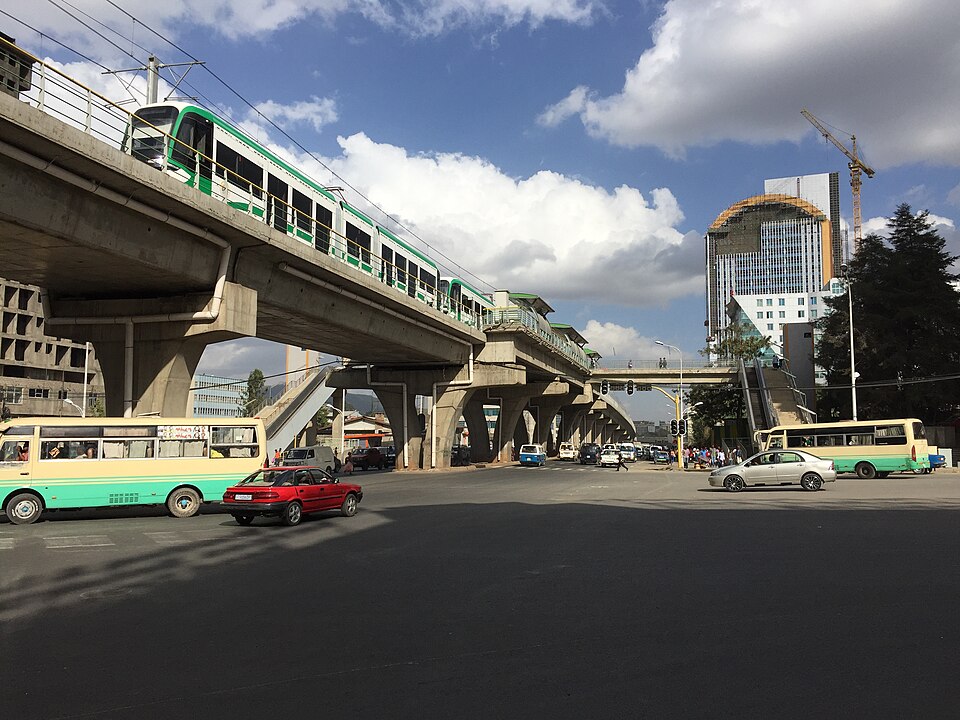
Modern roads and high-speed rail networks thread through dense urban quarters, while civic spaces are meticulously designed.
Safety and aesthetics are prioritised alongside urban density.
Public transport and utilities are upgraded to ensure that rapid expansion does not compromise quality of life—a key lesson in a city whose topography presents unique challenges.
Altitude sickness remains a concern for newcomers, reminding all that urban sophistication here must be balanced with environmental realities.
AU summit
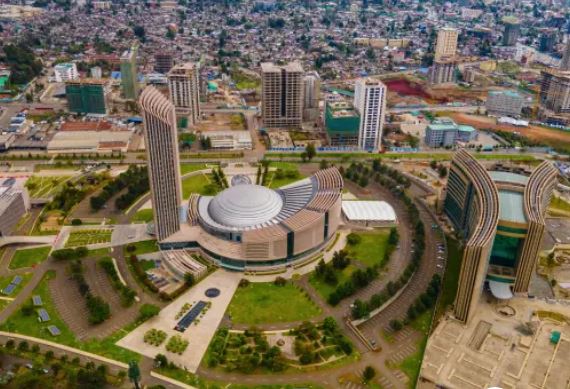
The 39th African Union Summit showcased this transformation on the global stage.
Heads of State and Government convened under the theme: Ensuring Sustainable Water Supply and Safe Sanitation Systems for the Success of Agenda 2063 Goals.
Over two days, the summit advanced continental priorities on infrastructure, peacebuilding, and public health.
With upgraded facilities, modern hotels, and secure, well-lit streets, Addis Ababa handled the congregation of leaders with elegance and efficiency.
It demonstrated that African capitals can host high-stakes diplomatic events while projecting confidence, sophistication, and operational mastery.
Balancing growth and risk
Rapid development has brought immense opportunity, but it has also exposed vulnerabilities.
Addis Ababa’s expansion has intensified social inequalities and led to precarious housing.
Major infrastructure projects, including roads, buildings, and Unity Park, have occasionally displaced populations.
These challenges are intertwined with national realities: Ethiopia remains a multi-ethnic federation where political tensions persist, and the recent Tigray war (2020–2022) is estimated to have claimed nearly 600,000 lives.
Yet despite these pressures, Addis Ababa’s leadership has steered urban growth toward functionality, safety, and livability.
Lessons for Eastern Africa
Eastern African cities have much to learn.
Dar es Salaam, Nairobi, Kampala, Kigali, Bujumbura, and Kinshasa face similar pressures: swelling populations, informal settlements, and governance challenges.
Addis Ababa shows a path forward. Its experience underscores that infrastructure, public transport, sanitation, and civic spaces must be developed in tandem, with governance, safety, and civic pride integrated at every stage.
Infrastructure alone is insufficient. Addis Ababa blends functionality with identity.
Its urban fabric respects history while projecting modernity.
Nighttime lighting, pedestrian zones, and civic squares convey order and pride.
Public transport and rail networks connect communities efficiently, while utilities and sanitation ensure basic services keep pace with growth.
For Eastern African capitals, the lessons are tangible.
Nairobi can emulate Addis Ababa’s transport integration to reduce congestion.
Dar es Salaam
Dar es Salaam can revitalise public spaces to foster civic pride.
Kampala and Kigali can prioritise safety and lighting to create more liveable environments.
Kinshasa and Bujumbura can study the city’s approach to governance and service delivery, turning sprawling urban areas into sustainable metropolises.
Vision and consistency
Addis Ababa demonstrates the power of long-term vision. Leadership, strategic investment, and coherent urban policy have been as vital as concrete and steel.
By leveraging its political centrality, the city has catalysed economic and social development.
International investment flows into areas where infrastructure, security, and governance create certainty.
Its blend of history, altitude, culture, and diplomacy makes Addis Ababa a blueprint for African urbanism: functional, beautiful, and globally respected.
Africa is urbanising at an unprecedented pace.
The challenge is immense. Yet Addis Ababa proves it can be done.
Safe streets, modern infrastructure, efficient public services, and a sense of order and pride are not luxuries—they are prerequisites for sustainable African megacities.
For Dar es Salaam, Nairobi, Kampala, Kigali, Bujumbura, and Kinshasa, the city offers both inspiration and instruction.
Its transformation is a statement: Africa’s cities can rise, and when they do, they can define the continent.