

Dar es Salaam. The government has announced that the Board Chairpersons and Chief Executive Officers Forum for companies in which it holds minority shares (Minority Interests Forum – MIF 2026) will serve as a strategic platform for deliberating ways to accelerate Tanzania’s journey towards achieving upper-middle-income status by 2050.
The forum, organised by the Office of the Treasury Registrar (OTR), will take place from March 16 to 18, 2026 at the PAPU Hall in Arusha.
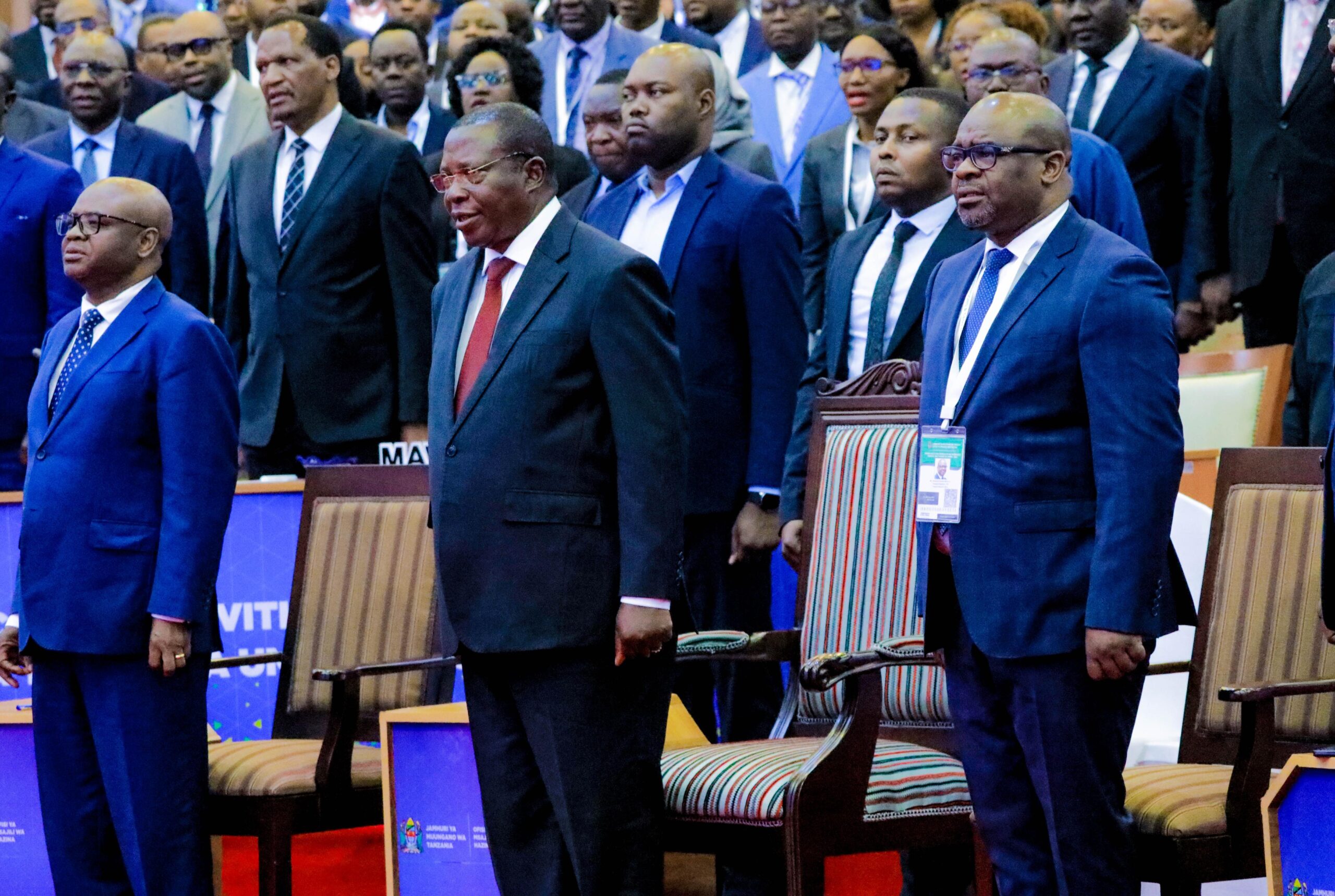
It is expected to bring together between 150 and 200 Board Chairpersons and Chief Executive Officers from 56 companies in which the government holds minority shares, defined as ownership below 51 percent.
Speaking at a press conference held in Dar es Salaam on February 24, 2026, the Director of Performance Management, Monitoring and Evaluation – Commercial Entities, Ms Lightness Mauki, said Tanzania’s journey to upper-middle-income status is not accidental.
It is the product of deliberate strategy, sound management, and forward-looking leadership.
“We will discuss how to respond to economic and technological change in order to achieve the upper-middle-income goal within the next 24 years, as outlined in Vision 2050,” she said.
She explained that this year’s theme; From Oversight to Foresight: Advancing Agile and Innovative Leadership under Transformation Pressures, is intended to promote a shift from conventional performance monitoring to innovative leadership.
The focus, she noted, is on anticipating risks and strategically leveraging opportunities in a rapidly evolving economic, technological and geopolitical environment.
Tanzania has set a strategic objective to grow its economy from approximately $85 billion to$1 trillion by 2050 through the implementation of Dira 2050.
The vision aims to build a competitive and inclusive upper-middle-income economy.
Ms Mauki emphasised that achieving this ambition requires a departure from routine management practices and stronger collaboration between the public and private sectors.
“We need management that goes beyond business as usual, and we must work closely with the private sector,” she said.
She also stressed the importance of safeguarding national resources and borders to ensure that investments generate real and sustainable value for the country.
“We must jealously safeguard our country’s resources and borders,” she added.
Ms Mauki noted that the OTR will continue to ensure that all investments in companies where the government holds minority shares remain productive, deliver measurable results, and contribute meaningfully to Tanzania’s development trajectory.
Through the forum, company leaders will deliberate on aligning institutional strategies with Dira 2050, the use of technology to enhance transparency and accountability, and the application of economic and competitiveness analysis to strengthen investment decision-making.
Over the past four years, these companies have continued to make a substantial contribution to the national economy.
This has been reflected in increased government revenue through taxes and dividends, job creation, and growth across key strategic sectors.
Official data point to notable gains during this period.
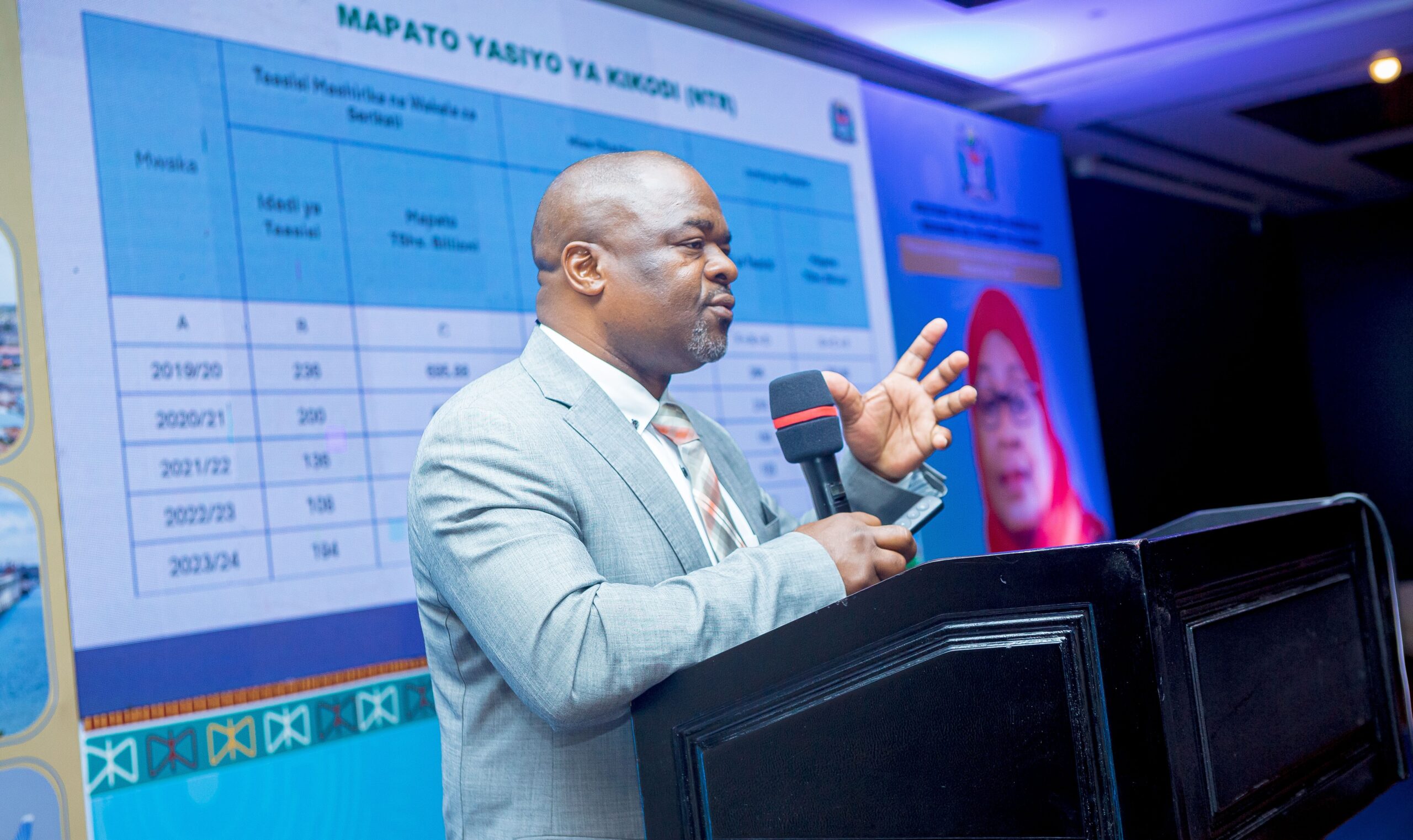
The value of government investment in these companies rose from Sh821.51 billion in 2020 to Sh1.94 trillion in 2024, representing a 136 percent increase.
Gross revenue increased from Sh6.81 trillion to Sh10.74 trillion, a growth of 58 percent. Profits rose from Sh1.79 trillion to Sh1.95 trillion over the same period.
Between 2020 and 2024, the companies contributed approximately Sh3.67 trillion in corporate income tax.
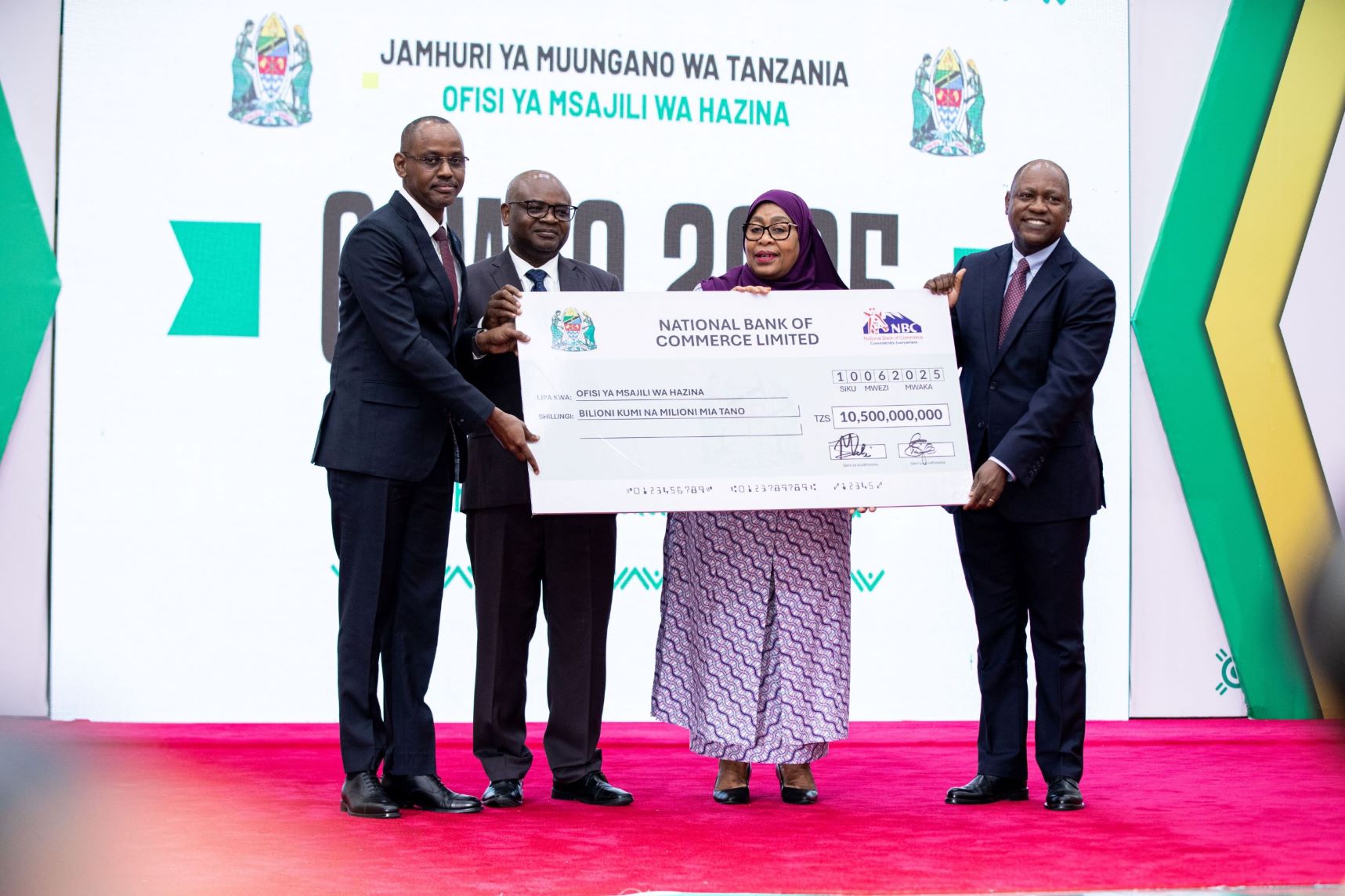
Dividends paid to the government increased from Sh58.26 billion to Sh266.52 billion, a rise of 357 percent.
According to Ms Mauki, these achievements confirm that the current trajectory is sound. However, she said there remains a responsibility to accelerate momentum, innovation, and efficiency in corporate leadership.
“As we move towards 2050, we need strong, forward-looking leadership that takes early action. This is not the time to wait for results; it is time to create them,” she concluded.