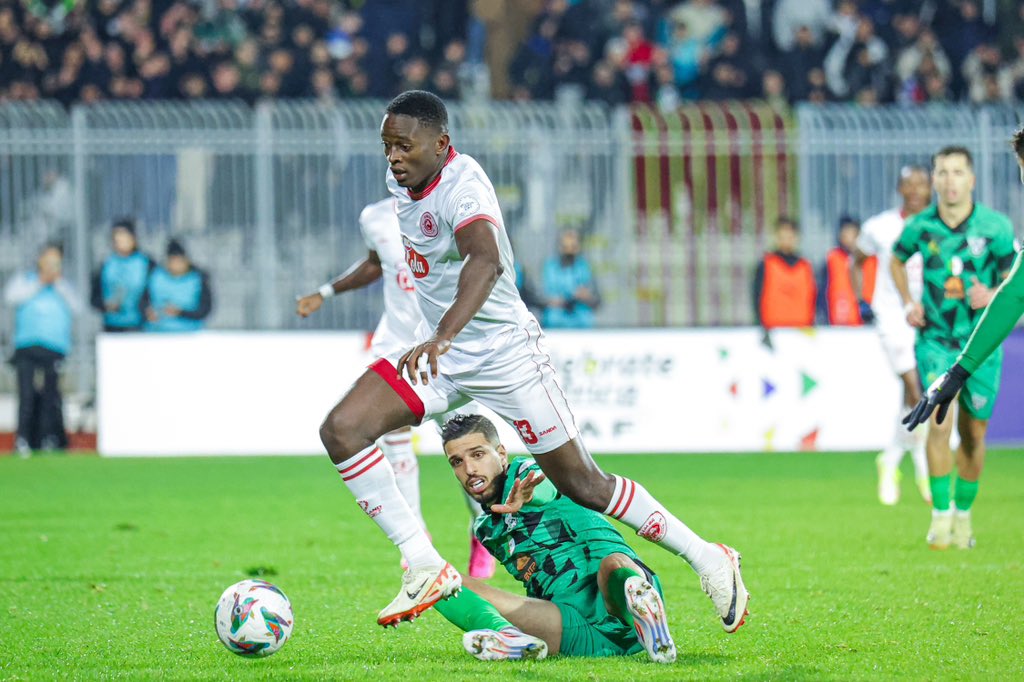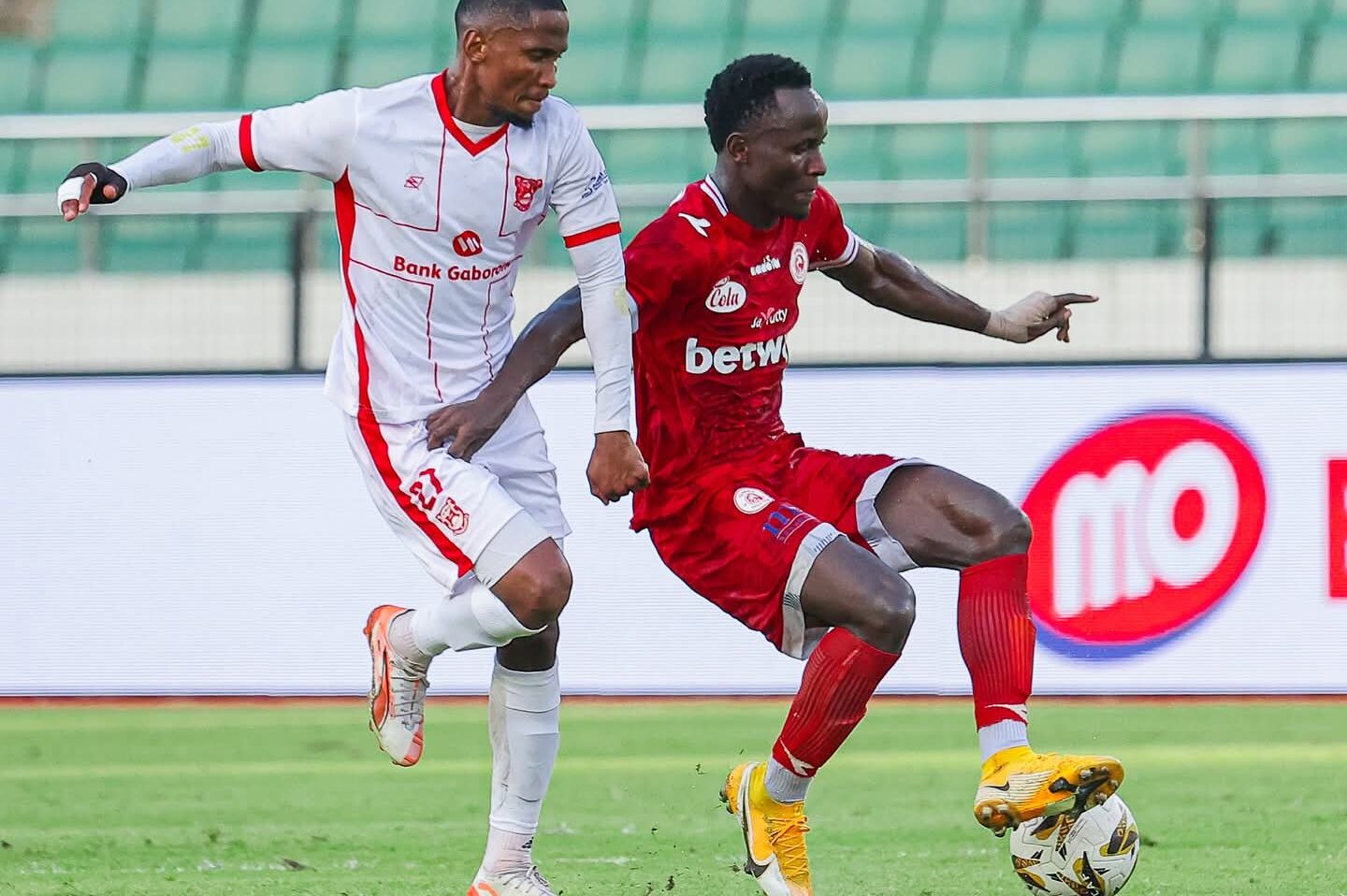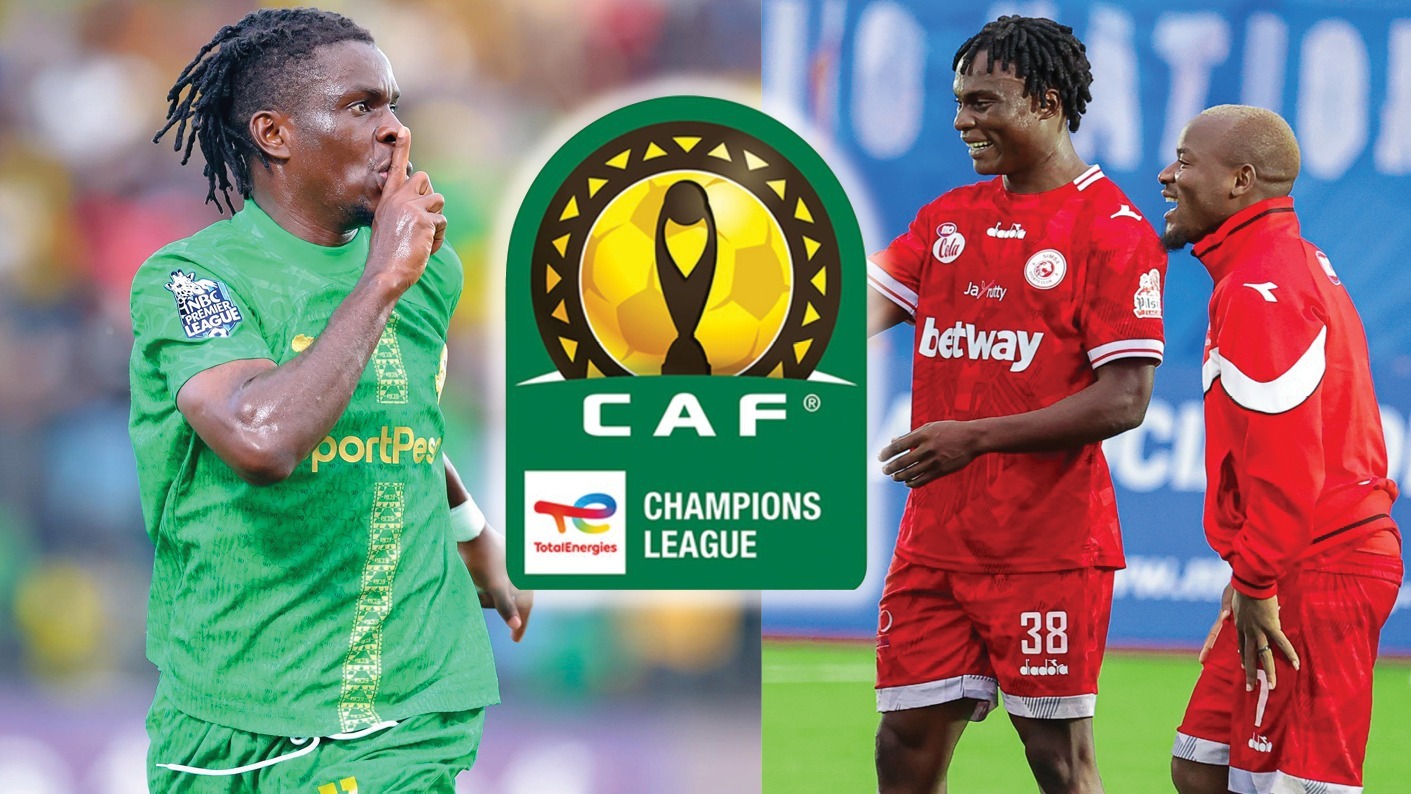

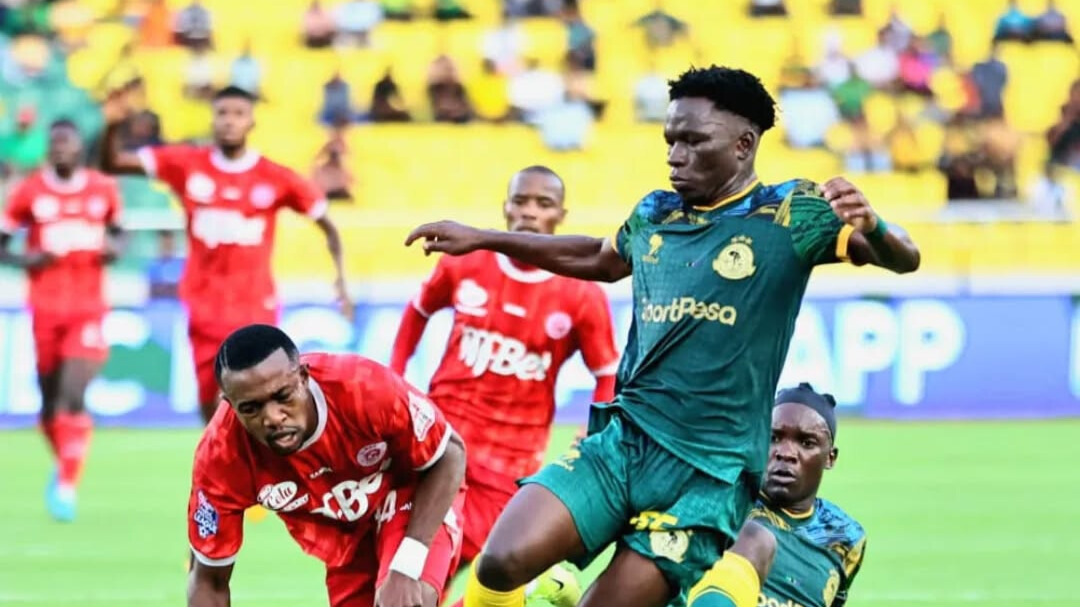
Few fixtures in African football stir emotion, passion and fierce loyalty quite like the Kariakoo Derby between Young Africans Sports Club and Simba Sports Club.
It is more than just a match; it is an identity, a statement of allegiance and, for many, a dividing line that leaves no room for neutrality.
Each season, the Kariakoo Derby delivers a unique kind of rivalry, both on and off the pitch.
This campaign, the match carries added intrigue, particularly in terms of tactical balance and technical quality between the two head coaches: Pedro Soares Gonçalves for Yanga and Steve Barker for Simba.
Since Pedro took over from Romain Folz in October 2025, he has guided Yanga through eight league matches: 2–0 against Mtibwa Sugar, 4–1 against KMC, 2–0 against Fountain Gate, 1–0 against Coastal Union, 6–0 against Mashujaa, 3–1 against Dodoma Jiji, 1–0 against Namungo and 5–0 against JKT Tanzania.
Yanga have won all eight, collecting 24 points under the Portuguese tactician.
He inherited a side that had four points, earned from a 3–0 victory over Pamba Jiji in the opening match of the season and a goalless draw against Mbeya City.
On the other hand, Barker has overseen five Mainland Premier League matches for Simba.
He began with a 1–1 draw against Mtibwa Sugar, followed by three consecutive 2–0 victories over Mashujaa, KMC and Tanzania Prisons, before dropping two points in a 0–0 stalemate against Dodoma Jiji ahead of the derby.
From those matches, Barker holds a 60 per cent win rate, while Pedro boasts a perfect 100 per cent record.
The question now is who will disrupt the other’s rhythm and inflict a first league defeat.
The answer awaits at Amaan Stadium in Zanzibar.
Let us examine, from a technical perspective, how the two coaches are likely to approach the contest based on their respective strengths.
Where the intrigue lies
In his eight league matches, Pedro has shown a preference for attacking football while remaining tactically disciplined, especially in the second half when protecting a lead to see out the result.
He favours a 4-3-3 formation built on pace and heavy utilisation of wide players in both chance creation and attacking transitions.
Full-backs play a crucial role in his system.
That explains why left-back Mohamed Hussein scored his second league goal of the season against JKT Tanzania, opening the scoring after combining neatly with teammates before being slipped through by Prince Dube.
At times during attacking build-up, he operates almost as an auxiliary midfielder in the opposition half.
Pedro occasionally shifts from his primary 4-3-3 to a 4-2-3-1, introducing two holding midfielders – often Mohamed Damaro and Duke Abuya – particularly when he senses a loss of control in central areas.
There are also occasions when he opts for greater attacking firepower by starting two central strikers, Prince Dube and Laurindo Dilson ‘Depu’, as seen in the emphatic win over JKT Tanzania.
Barker’s philosophy, meanwhile, emphasises increased attacking tempo, particularly in the second half.
He prefers to utilise the full width of the pitch, capitalising on the pace of wide players such as Libasse Gueye and Anicet Oura.
Ellie Mpanzu, who has recently lost his place in the starting line-up, remains another option.
Beyond those names, Barker’s key weapon is Clatous Chama, deployed just behind the main striker.
With an eye for the final pass, he orchestrates much of Simba’s attacking play in central areas – a role previously filled last season by Charles Jean Ahoua, who has since moved to Algeria.
Like Pedro, Barker favours a 4-3-3 system, but their interpretation differs.
One encourages full-backs to attack through the half-spaces between central and wide defenders, while the other prefers his defenders to hold wider positions.
When Yanga attack, their full-backs often drift inside into pockets between the centre-back and full-back.
Simba, by contrast, tend to stretch play wide, with wingers cutting inside or dropping deep to support build-up play.
How might it unfold?
Recent records highlight the scale of the challenge.
Under Pedro, Yanga are unbeaten in eight matches, scoring heavily in wins over Mashujaa (6–0) and JKT Tanzania (5–0).
The defending champions have netted 27 goals while conceding just two – an average of nearly three goals per match.
This underlines their attacking efficiency and tactical flexibility.
Depu, with five goals in four league appearances, currently spearheads the league’s most potent attack.
While Yanga rely on Depu, Simba look to Rushine De Reuck as a defensive pillar.
He has scored three goals and is the highest-scoring centre-back in the league this season.
In Barker’s five matches in charge, Simba have shown promise despite integrating several January signings.
They have conceded just once under him – against Mtibwa Sugar – and four goals overall this season.
However, their primary challenge remains ruthlessness in front of goal.
Statistical analysis suggests a clear contrast: Yanga possess the capacity to finish matches emphatically when at their best, whereas Simba, even when in control, are less likely to record high-scoring victories.
Key weapons
Every coach relies on pivotal figures to execute his philosophy. Yanga will need Pacôme Zouzoua at his sharpest.
Despite Pedro’s wealth of options, the Ivory Coast international often rises to the occasion in high-profile fixtures.
Alongside him is Allan Okello, who has yet to fully ignite this season but retains the creative ability to trouble Simba.
Another indispensable figure is Depu, whose name is almost certain on the team sheet.
Whether leading the line alone or partnering Dube, his clinical finishing remains a vital asset.
Simba, meanwhile, depend heavily on the experience of Chama to create opportunities and maintain balance between attack and defence.
His intelligence and technical quality are central to their structure.
Although Simba have many new faces in the squad, some have already made a strong impression and could carry their momentum into the derby, notably Gueye and Oura.
These wingers are direct and dangerous; given space and time on the ball, they can inflict significant damage and potentially decide the contest.
Ultimately, the derby promises to be a contest defined by tactical discipline, technical quality and the fine margins that separate two evenly matched rivals.