
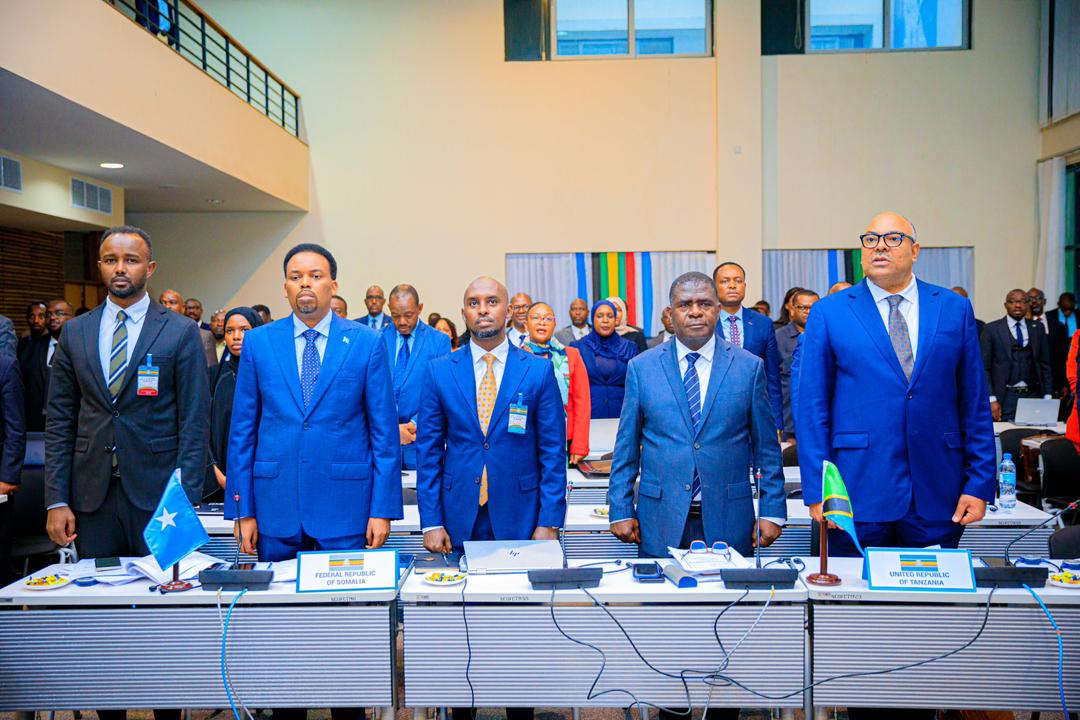
Arusha. The 59th Extraordinary Meeting of the East African Community (EAC) Council of Ministers convened on March 5, 2026, to conduct final deliberations ahead of the 25th Summit of the EAC Heads of State.
The ministerial gathering serves as the critical precursor to the high-level summit scheduled for March 7, 2026, where the regional bloc’s top decision-making organ will provide strategic direction for the eight-member union.
During the session, ministers reviewed and deliberated upon reports submitted by the Coordination Committee of Permanent Secretaries.
This process was designed to refine the primary agenda items and directives that will be presented to the Presidents for formal resolution.
The discussions focused heavily on structural sustainability and the operational efficiency of the EAC Secretariat.
Ms Beatrice Askul Moe, Kenya’s Cabinet Secretary for East African Community Affairs and Chairperson of the Council, opened the meeting by highlighting that the proposed agenda aims to provide a fresh trajectory for resolving systemic challenges.
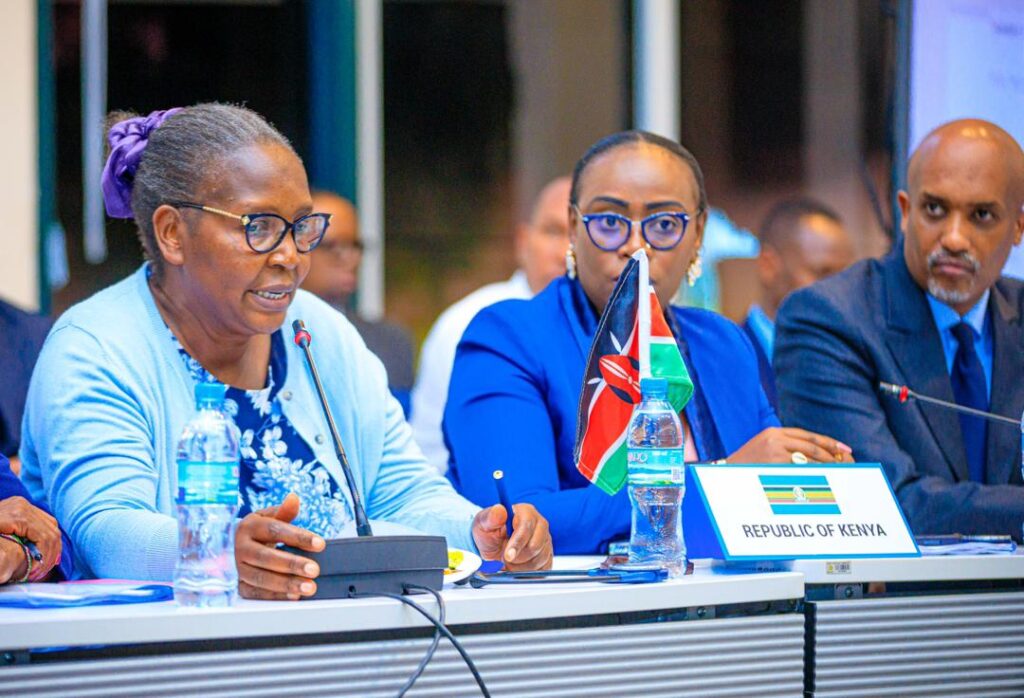
She specifically identified the persistent shortage of financial resources required to fund Secretariat activities and the current staffing deficits as priority areas for the Heads of State to address.
In her opening remarks, Ms Moe urged member states to reinforce their commitment to regional integration.
She noted that historical cooperation within the bloc has historically shielded member nations from the most volatile effects of global economic instability, such as the fluctuating prices of essential commodities and food insecurity.
The upcoming 25th Summit is expected to tackle several high-stakes regional issues.
Key among these are the progress of the EAC Common Market Protocol and the persistent challenge of Non-Tariff Barriers (NTBs) which continue to hinder intra-regional trade.
Furthermore, the leaders are anticipated to reach a definitive agreement on a sustainable funding model for the Community, alongside strategies to bolster cooperation in infrastructure, energy, and the tourism sector.
The East African Community currently comprises eight partner states: Tanzania, Kenya, Uganda, Rwanda, Burundi, South Sudan, the Democratic Republic of the Congo (DRC), and Somalia.
With a combined population exceeding 300 million people and a collective Gross Domestic Product (GDP) estimated at over $300 billion, the bloc remains one of the most significant emerging markets on the continent.
The Tanzanian delegation to the ministerial council was led by Amb Mahmoud, Thabit Kombo, Minister of Foreign Affairs and East African Cooperation.
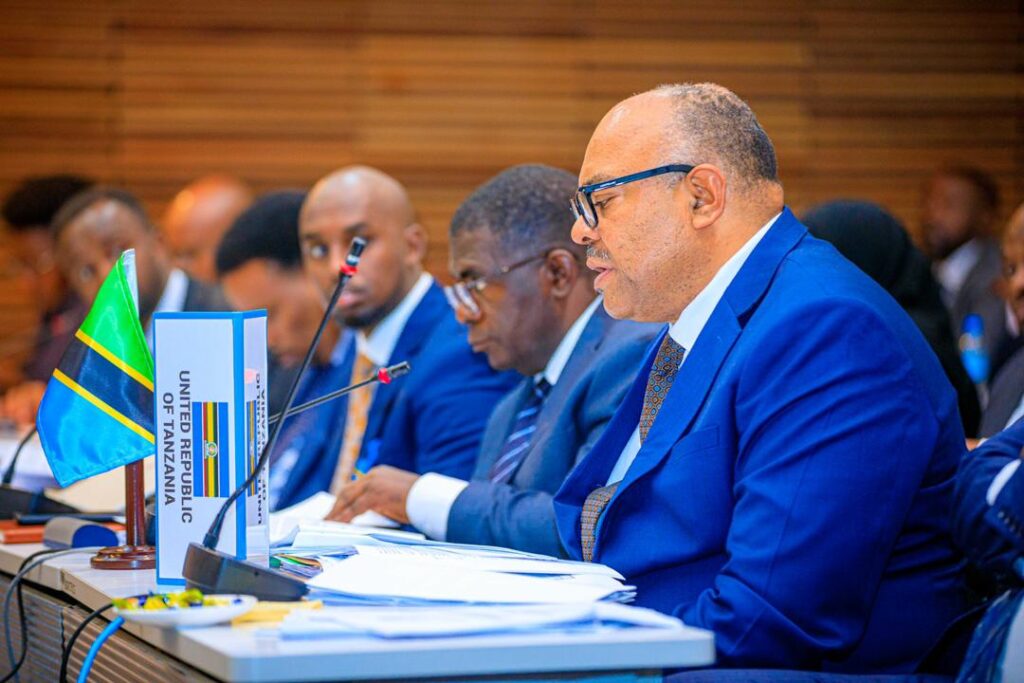
He was accompanied by a high-level team of deputy ministers representing key sectors, including Finance, Public Service Management, and Industry and Trade, underscoring the multi-sectoral importance of the impending presidential summit.