
Arusha. The government has issued eight strategic directives to strengthen the performance of companies in which it holds minority shares, in a move aimed at accelerating Tanzania’s transition to upper-middle-income status under the national blueprint, Dira 2050.
The long-term vision seeks to expand the economy from about $85 billion to $1 trillion by 2050.
Achieving this goal will require stronger returns from public investments, including minority interest companies operating across key sectors.
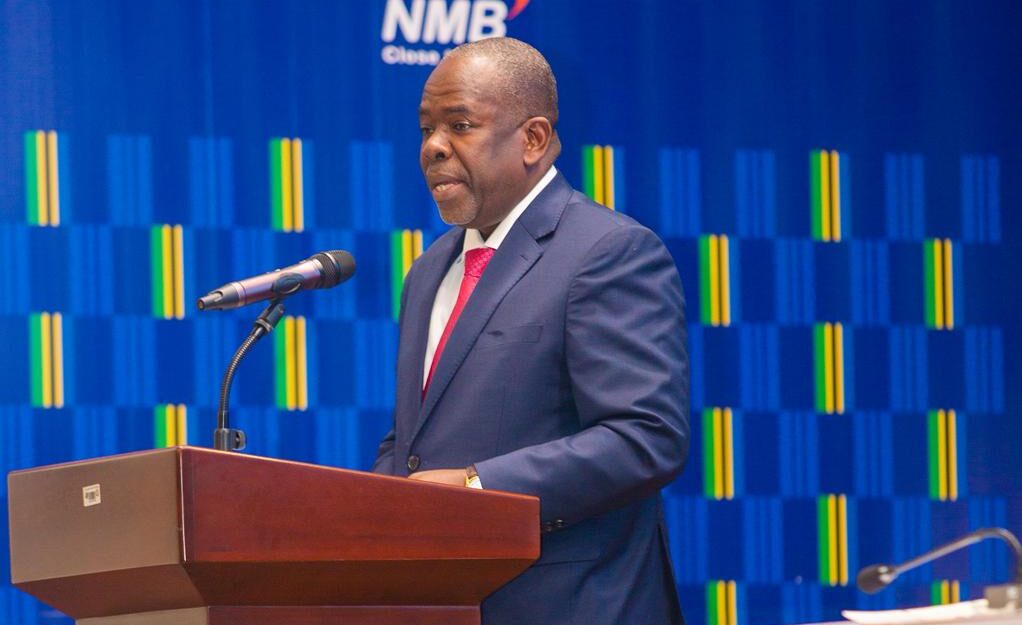
Speaking at the opening of the three-day Minority Interest Directors Forum 2026 (MIF 2026) in Arusha on Monday, March 16, 2026, the Minister for Finance, Amb Khamis Mussa Omar, said the directives are intended to improve efficiency, governance and profitability.
He said companies in which the government holds minority stakes must operate more strategically and transparently, while contributing more directly to national development.
“These directives are intended to ensure that companies in which the government holds minority shares operate more strategically, transparently and profitably,” he said.
The forum, organised by the Office of the Treasury Registrar (OTR), brought together senior leaders to reflect on governance, performance and long-term strategy.
Amb Omar said boards and management teams must align corporate strategies with national development priorities and global economic trends. Investments, he noted, should respond to evolving markets while supporting inclusive growth.
He also urged companies to embrace technology to enhance transparency and improve governance systems.
“Companies must leverage technology to strengthen transparency, build public trust and improve governance systems,” he said.
The directives further call for forward-looking governance, requiring boards and executives to anticipate risks and respond to emerging opportunities in a competitive global environment.
Amb Omar emphasised the importance of collaboration among companies.
Stronger partnerships, he said, would enable institutions to share expertise and unlock new opportunities.
“Stronger collaboration and partnerships among companies will enable institutions to share expertise, unlock new opportunities and generate greater collective impact,” he noted.
He underscored the need to reinforce governance frameworks that promote accountability, transparency and ethical leadership, describing them as central to ensuring sustainable returns from public investments.
Companies have also been urged to adopt performance-driven strategies to enhance efficiency, improve profitability and deliver greater value to shareholders, including the government.
Amb Omar highlighted the importance of economic and competitive intelligence in guiding decision-making.
“Decisions must be guided by reliable market insights and data so that companies can improve productivity and remain competitive in regional and international markets,” he said.
He also stressed the importance of closer engagement between the government and the private sector, noting that strong partnerships are essential in unlocking investment opportunities and accelerating development.
The Minister pointed to the government’s ambition under Dira 2050 to increase non-tax revenue contribution to the national budget from three percent to ten percent within five years.
“As you are rightly aware, the government through Dira 2050 is committed to increasing the contribution of non-tax revenue in the national budget from the current three percent to ten percent within five years,” he said.
He called for a shift in leadership mindset, urging directors and executives to move from traditional oversight to foresight-driven leadership anchored in anticipation, agility and innovation.
“This should go hand in hand with optimisation of every investment in your companies to yield maximum financial and economic returns,” he said, warning that failure to adapt would undermine national aspirations.
Amb Omar urged leaders to confront challenges affecting performance and to develop sustainable solutions.
“We ought to embrace change in our boardrooms and be forward-thinking and proactive in examining challenges impeding the performance of our companies,” he said.
He further challenged directors and executives to take full responsibility for improving performance and ensuring long-term sustainability.
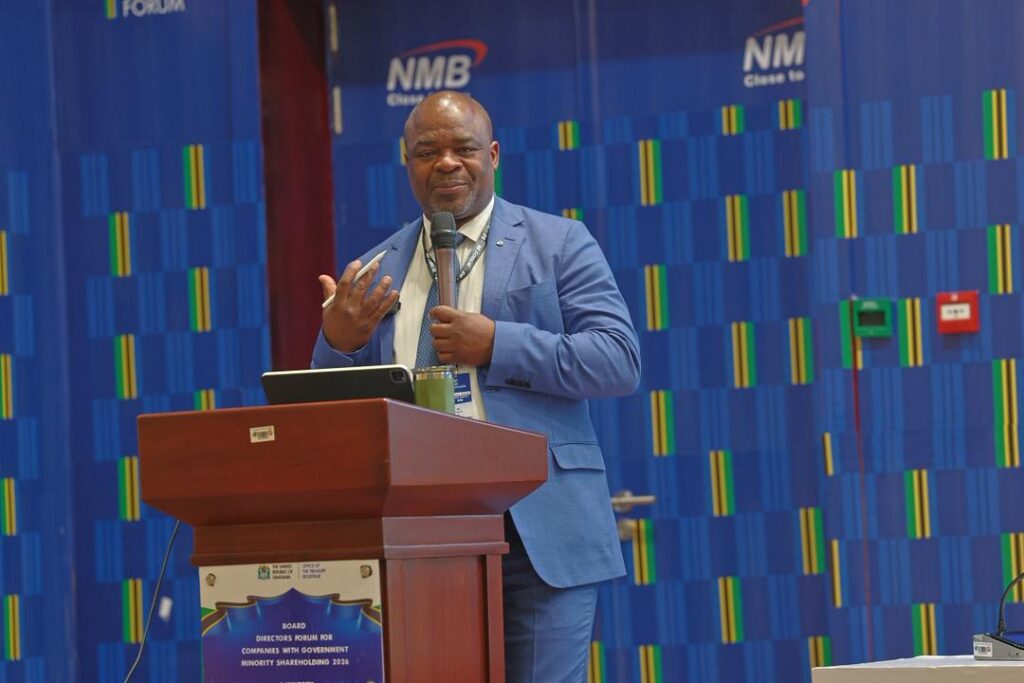
For his part, the Permanent Secretary in the President’s Office responsible for Investment, Dr Fred Msemwa, reaffirmed the government’s commitment to improving the business environment.
“We will do whatever it takes, including reviewing legal and policy frameworks, as we recognise that the private sector is a key driver,” he said.
He added that the private sector remains central to achieving Dira 2050 goals.
“The private sector is a key driver in enabling Tanzania to realise the goals of Dira 2050,” he underscored.
Earlier, the Treasury Registrar, Mr Nehemiah Mchechu, said the forum has become an important platform since its inception in 2024.
Now in its third edition, it brings together leaders to reflect on governance, performance and strategic direction.
He said the theme of this year’s forum highlights the need for a shift from traditional oversight to forward-looking leadership.
“In today’s rapidly evolving economic and technological landscape, leadership can no longer be confined to overseeing the present, it must also anticipate the future,” he said.
Mr Mchechu added that institutions embracing foresight, agility and innovation are better positioned to withstand transformation pressures.
“Institutions that cultivate foresight, agility and innovation will not only withstand transformational pressures but will also shape the path of progress,” he said.
He emphasised that effective governance today requires leaders who are strategic, adaptable and innovative.
“It calls for leaders who are strategic in outlook, agile in thought, innovative in action, and bold enough to prepare our institutions for opportunities that lie beyond the horizon,” he stressed.
Mr Mchechu said the forum aligns with the broader goals of Dira 2050, including building a competitive and resilient economy supported by accountable institutions.
“This Forum is also aligned with Dira 2050, which calls for a competitive, resilient and innovation-driven economy,” he said.
He noted that the meeting provides an opportunity for directors and executives to exchange ideas and strengthen governance practices.
The forum will cover key thematic areas such as innovation under pressure, economic intelligence, institutional resilience and ESG sustainability for long-term value creation.
Mr Mchechu highlighted the growing role of minority interest companies in the national economy, noting a significant increase in government investment over the past five years.
He said investment in such companies has grown from Sh821 billion to about Sh3.6 trillion, reflecting continued confidence in public-private partnerships.
Dividend contributions have also risen sharply over the same period, increasing by 357 percent from Sh58 billion to Sh266 billion.
“These gains demonstrate the potential of minority interest companies to contribute meaningfully to national development,” he said.
The MIF 2026 forum has brought together about 200 participants, including board directors, chief executive officers, policymakers and experts from within and outside Tanzania.
Participants are expected to explore strategies to strengthen governance and improve performance, ensuring that minority interest companies contribute more effectively to the country’s sustainable economic development under Dira 2050.