
Dar es Salaam. The Deputy Minister for Energy, Salome Makamba, has called on stakeholders and women’s platforms to intensify efforts to promote the use of clean cooking energy across the country.
She said sustained public education is essential to protect women from the health and social challenges linked to the use of polluting cooking fuels.
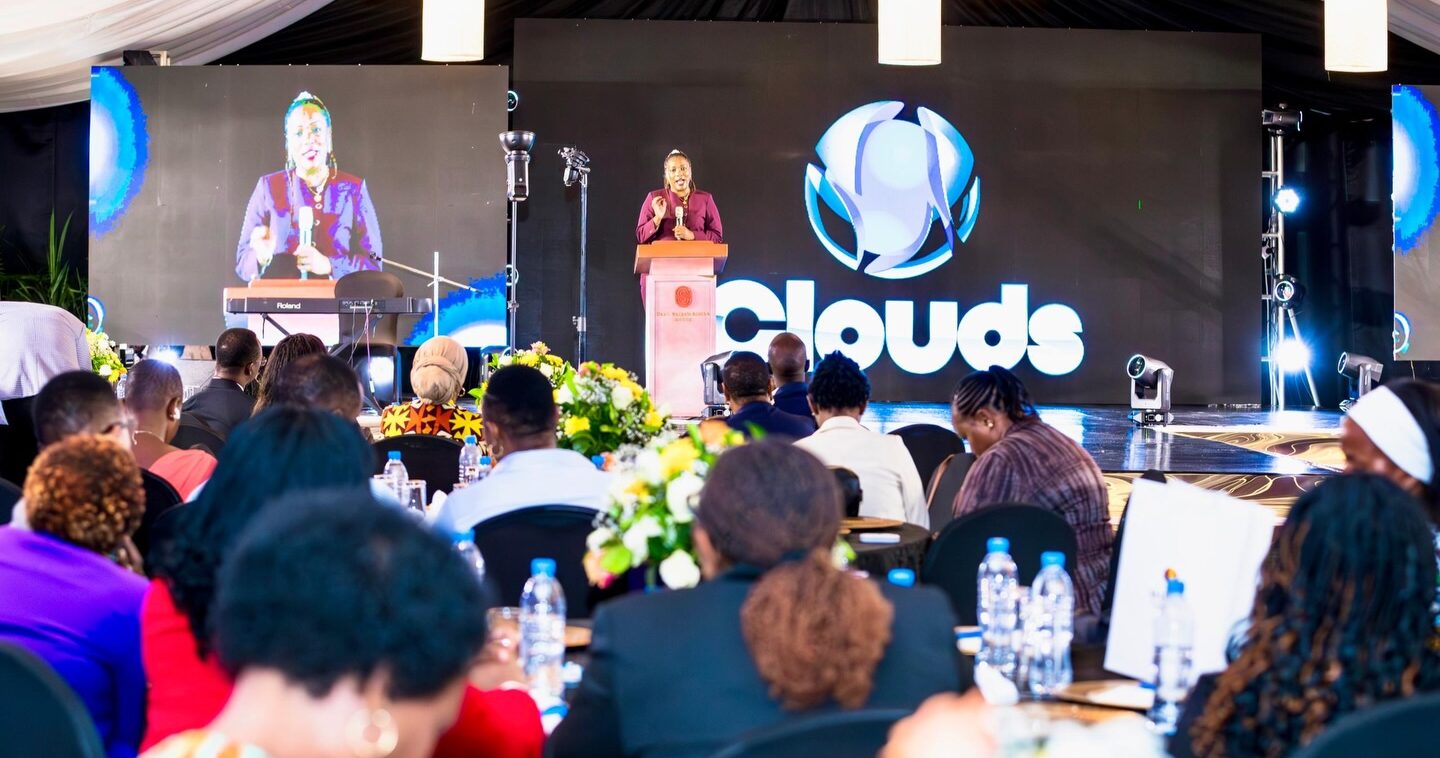
Ms Makamba made the remarks on March 25, 2026, during the 10th anniversary celebrations of the Malkia wa Nguvu Legacy Mark 2026, organised by Clouds Media Group.
The event took place at the Serena Hotel Dar es Salaam and brought together women leaders, entrepreneurs and development partners.
“I urge the Malkia wa Nguvu Platform to actively champion the clean cooking agenda and align with national initiatives led by President Samia Suluhu Hassan, who has emerged as a leading advocate for clean cooking energy across Africa,” she said.
The Deputy Minister said the government aims to ensure that more than 80 per cent of Tanzanians use clean cooking energy by 2030.
She stressed that this target can only be achieved through strong collaboration between government institutions, private sector players and community-based platforms that reach women directly.
According to Ms Makamba, the government has already introduced several measures to accelerate the adoption of clean energy solutions.
These include policy reforms, public awareness campaigns and incentives designed to expand access to alternative fuels such as liquefied petroleum gas, electricity and improved cooking technologies.
She emphasised that continued reliance on firewood and charcoal exposes women and children to harmful smoke, which is widely associated with respiratory diseases and other long-term health complications.
In rural and peri-urban areas, the time spent collecting firewood also limits women’s participation in income-generating activities and increases exposure to safety risks.
Ms Makamba added that the transition to clean cooking energy presents significant economic opportunities.
She said improved access to modern cooking solutions can support women-led businesses, increase household productivity and reduce environmental degradation caused by deforestation.
She further noted that women’s platforms such as Malkia wa Nguvu have a unique role in shaping community attitudes and driving behavioural change.
By prioritising education campaigns and peer-to-peer engagement, such initiatives can accelerate adoption at household level.
The Deputy Minister concluded by urging collective action to ensure that no woman is left behind in the transition to safer and more sustainable energy use.
She said joint commitment from all stakeholders will help secure long-term social and economic benefits for families and communities across Tanzania.