
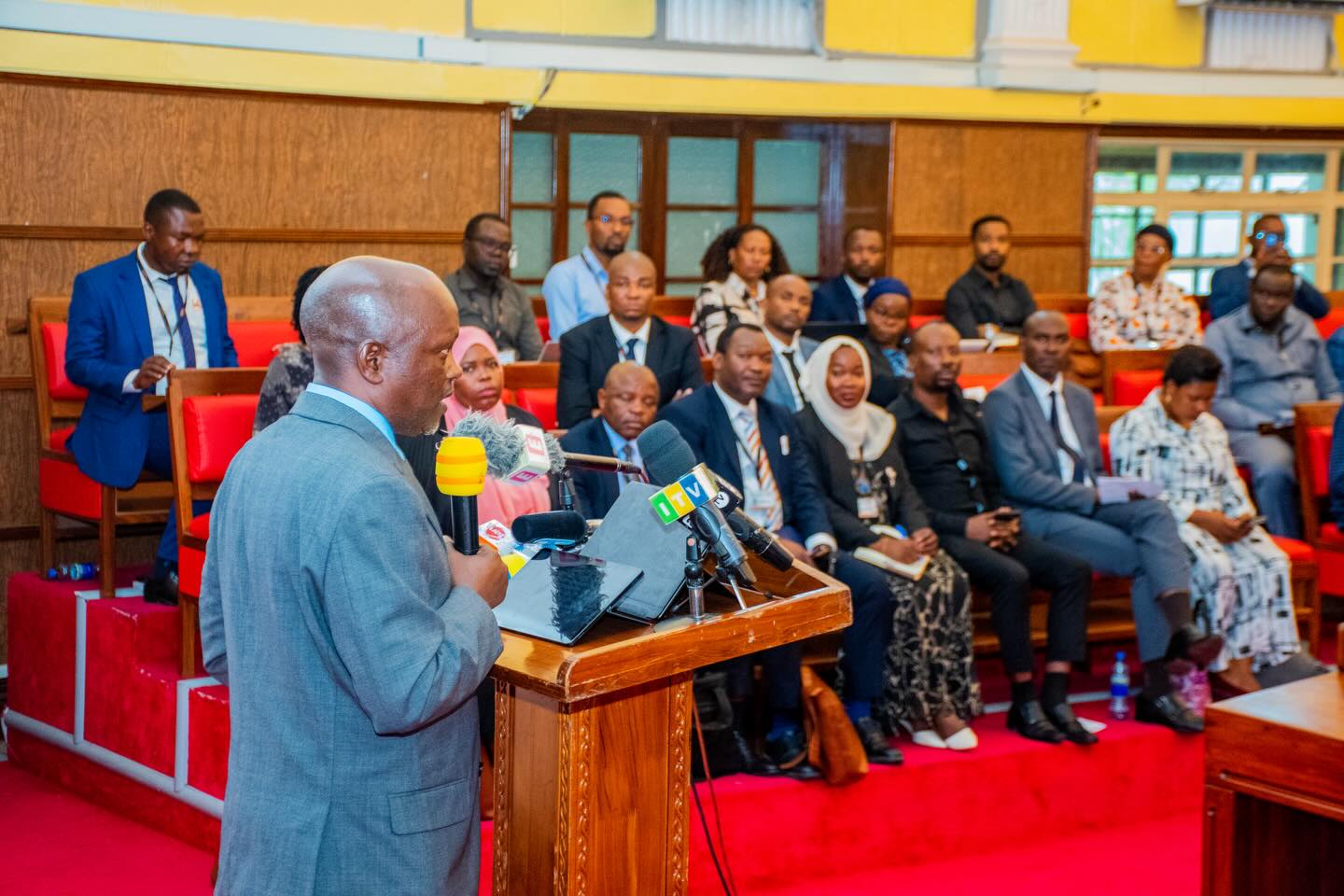
Dar es Salaam. The Land Transport Regulatory Authority (Latra) has convened a key stakeholders’ meeting to gather views on the ongoing review of public transport fares, following sharp increases in fuel prices that have raised operating costs across the sector.
The meeting was held on April 8, 2026, at Karimjee Hall in Dar es Salaam. It brought together transport operators and other industry stakeholders to discuss the impact of rising fuel prices on business sustainability.
The session was officially opened by Mr Andrew Magombana, Assistant Director for Road Transport in the Ministry of Transport, who represented the Permanent Secretary, Prof Godius Kahyarara.
Speaking at the meeting, Mr Magombana urged stakeholders to submit detailed views outlining how fluctuations in fuel prices have affected their operations.
He called on transport providers to present evidence showing how higher fuel costs have reduced profitability and increased operational losses.
Latra Director General CPA Dr Habibu Suluo explained that the setting of public transport fares does not rely solely on fuel prices.
He said several other factors are considered during fare reviews.
These include the cost of purchasing vehicles, prices of spare parts, staff salaries and the return on investment required to sustain operations.
He noted that the process is guided by the Land Transport Regulatory Authority (Fees and Charges) Regulations of 2020.
The regulations allow service providers to submit proposals requesting fare adjustments or enable the authority to initiate reviews when necessary.
The aim is to ensure fares reflect actual operating costs while safeguarding the sustainability of transport services.
The meeting comes at a time when Tanzania is experiencing a significant surge in fuel prices, which has created pressure on transport operators nationwide.
According to recent data released by the Energy and Water Utilities Regulatory Authority (Ewura), petrol prices in Dar es Salaam rose to about Sh3,820 per litre in April 2026, up from Sh2,864 in March.
Diesel prices increased to about Sh3,806 per litre, while kerosene rose to around Sh3,684 per litre.
The price increases have been largely attributed to disruptions in global oil supply linked to geopolitical tensions in the Middle East.
The conflict has affected oil production and shipping routes, pushing up global transport and insurance costs.
These developments have translated into higher domestic fuel prices, placing pressure on businesses that rely heavily on fuel, including public transport operators.
Latra has previously warned transport operators against raising fares without official approval, stressing that unauthorised increases place an unfair burden on passengers.
The authority requires operators seeking fare adjustments to provide sufficient evidence demonstrating that their returns on investment have fallen below acceptable levels.
Urban commuter buses, commonly known as daladala, as well as intercity and cross-border transport services, have been among the most affected by the fuel price surge.
Industry observers note that sustained increases in operating costs could lead to broader economic implications, including higher costs for goods and services that depend on road transport.
Stakeholders attending the meeting are expected to submit their recommendations to guide the regulator’s decision-making process.
Any approved fare adjustments will be published officially before implementation, ensuring transparency and allowing passengers time to prepare for possible changes.
Transport authorities have emphasised that the review process seeks to balance two competing priorities: protecting passengers from sudden fare increases while ensuring that transport services remain financially viable in a rapidly changing economic environment.