
Dar es Salaam. The government has intensified efforts to promote medical tourism as part of broader strategies to strengthen the health sector and increase its contribution to the national economy.
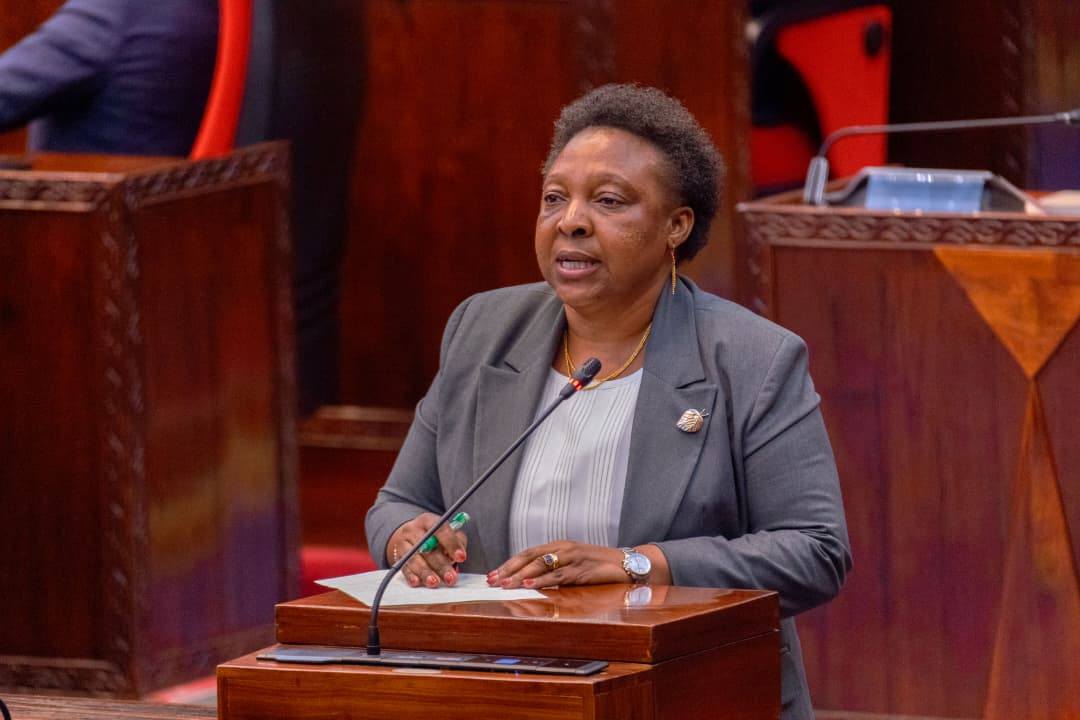
Deputy Minister for Health, Florence Samizi, made the remarks in Parliament in Dodoma on April 8, 2026.
She was responding to a question from Special Seats Member of Parliament Catherine Canute Joachim during the Third Meeting of the Thirteenth Parliament.
Dr Samizi answered the question on behalf of the Minister for Health, Mohamed Mchengerwa.
She stated that the government, under the leadership of President Samia Suluhu Hassan, has increased investments in hospital infrastructure across the country.
She said the investments include the construction of new buildings and the renovation of ageing facilities.
These measures aim to strengthen service delivery and improve patient care standards in public health institutions.
Dr Samizi also noted that the government is expanding the availability of advanced medical equipment. These include PET/CT scanners, Angio Suite systems, Cathlab machines and CT Scan units.
She said the acquisition of such technology supports the delivery of specialised and super-specialised services within the country.
The Deputy Minister added that the government is strengthening professional training for health workers.
The aim is to ensure that medical services meet international standards and enhance the country’s competitiveness in the global health market.
“Government is also introducing new super-specialised services and ensuring hospitals obtain international accreditation. These facilities are then promoted in international markets to attract patients from outside the country,” Dr Samizi said.
Official figures indicate continued growth in medical tourism in Tanzania. Data covering the period from July 2025 to February 2026 show that 3,018 foreign patients received specialised medical services in regional referral hospitals, zonal referral hospitals, specialised hospitals and national hospitals.
The rise in the number of foreign patients reflects ongoing reforms aimed at improving the quality and reach of healthcare services.
Authorities view medical tourism as an important opportunity to generate additional revenue while improving the capacity of domestic health systems.
Dr Samizi further explained that the government continues to invest in human resources through the Samia Health Super-specialization Program.
Under this programme, 1,483 health professionals are being sponsored to pursue specialist and super-specialist training both within the country and abroad.
She said the initiative is designed to expand the pool of skilled personnel capable of delivering advanced medical services.
This, she noted, is expected to improve the quality of healthcare and reduce the need for patients to seek treatment outside the country.
The government believes that strengthening infrastructure, technology and human resources will position Tanzania as a regional hub for specialised healthcare services.
Officials also expect the expansion of medical tourism to contribute to economic growth by attracting foreign patients and increasing foreign exchange earnings.
The continued rise in international patient numbers highlights the growing role of the health sector in national development.
Authorities maintain that sustained investment and policy support remain essential to ensure long-term success in the country’s medical tourism ambitions.