
Njombe. The Tanzanian government has announced a massive investment of $2 billion, equivalent to over Sh5 trillion, to expand and modernise the Port of Dar es Salaam.
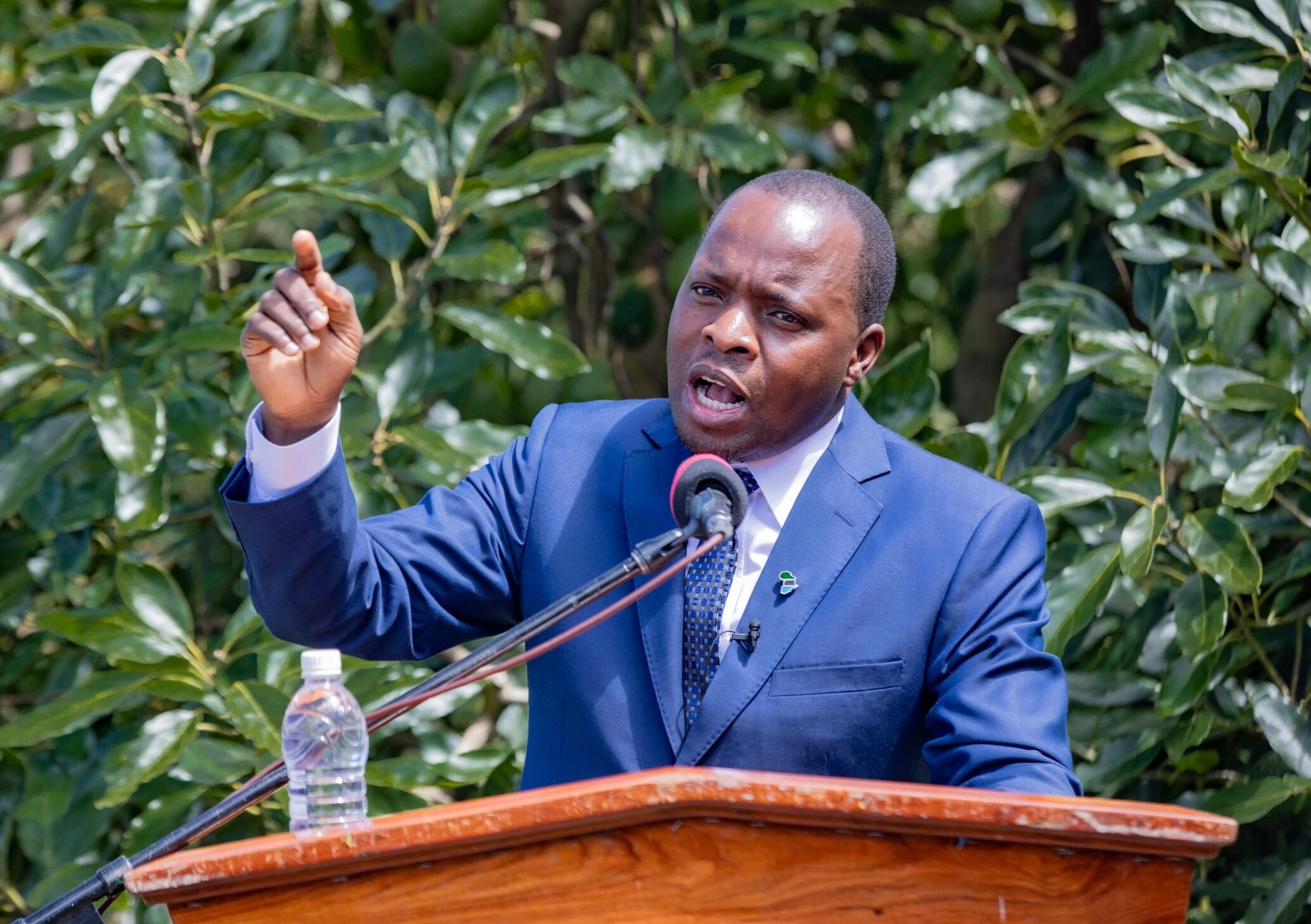
Addressing journalists here on May 10, 2026 the Permanent Secretary in the ministry of Information, Culture, Arts and Sports and Chief Government Spokesperson, Gerson Msigwa, said the strategic initiative through the Tanzania Ports Authority aims to transform the facility into a premier hub for handling perishable goods and bulk cargo.
He noted that key components of the project include the construction of 10 new berths to bring the total to 22, alongside the development of advanced cold storage facilities.
“These temperature-controlled buildings are specifically designed to address current challenges faced by exporters of avocados and other highly perishable crops, Mr Msigwa noted.
To improve operational efficiency, the project will also include the construction of new access roads and ring roads to alleviate traffic congestion around the port area, he said.
He said beyond the primary hub in Dar es Salaam, port infrastructure development is extending inland and to other coastal regions.
Construction is currently progressing at the Mbamba Bay Port and the Kisiwa Mgao Port in Mtwara, the latter of which is being built to handle dry bulk cargo such as coal and cement.
The focus on port infrastructure is directly linked to the booming agricultural success in regions like Njombe, where avocado production reached over 48,365 tonnes in the 2024/25 season.
Farmers in Njombe earned approximately Sh49.2 billion from avocado sales during that period.
The region now hosts five processing factories and nine packaging centres, serving as a hub for fruits produced in neighbouring areas like Mbeya, Iringa, Ruvuma, and Songwe.
“The region is home to five avocado processing factories, AvoAfrica, Avodemia, Persea Oils and Orchards, Focus Fresh and MURICADO. Collectively, the factories have the capacity to process 1,650 tonnes of avocados per day. Four of the factories are already operational, while one is currently in the final stages of installing machinery before commencing operations,” Mr Msigwa noted.
This agricultural growth is supported by the Tanzania Agricultural Development Bank, which has issued loans worth Sh1.42 trillion across the country to bolster value chains in crops and livestock.
Tourism
Mr Msigwa said tourism remains a vital component of the regional and national economic strategy.
The Mpanga Kipengere Game Reserve, spanning 1,400 square kilometres, has been nominated for international awards, including Africa’s Leading Honeymoon Destination for 2026.
“The government is also expanding hospitality capacity, with the number of guest rooms across the country increasing by over twenty per cent between 2021 and 2025,” Mr Msigwa noted.
He explained that recent developments include the launch of the Mikumi Wildlife Lodge, which aligns with preparations for Tanzania to host the 2027 Africa Cup of Nations.
Infrastructure improvements are further supported by a significant expansion of the road network managed by TARURA.
In Njombe, the government increased the budget for rural and urban roads by nearly 150 per cent, leading to the construction of dozens of new bridges and hundreds of kilometres of improved gravel and paved roads.
These transport links are essential for moving minerals like coal, which saw production value rise to approximately one trillion shillings in the 2022/23 financial year.
To ensure long-term social stability for those working in these sectors, the National Social Security Fund has introduced a special scheme for self-employed citizens, including farmers and small-scale miners, to access retirement and health benefits.