
Njombe. The Tanzanian government has announced that the long-awaited Liganga and Mchuchuma strategic projects have reached a critical milestone, with investment negotiations now 90 percent complete.
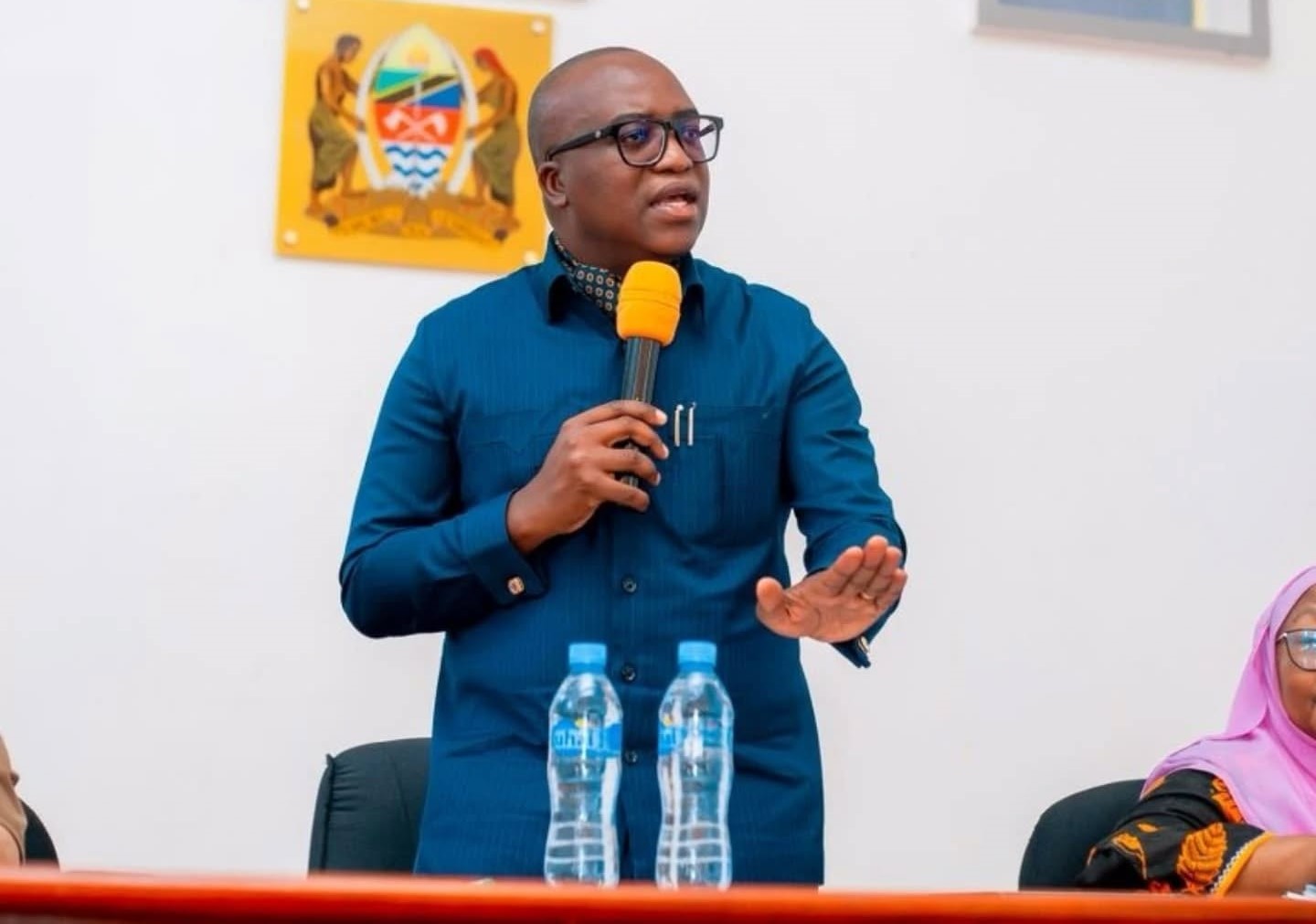
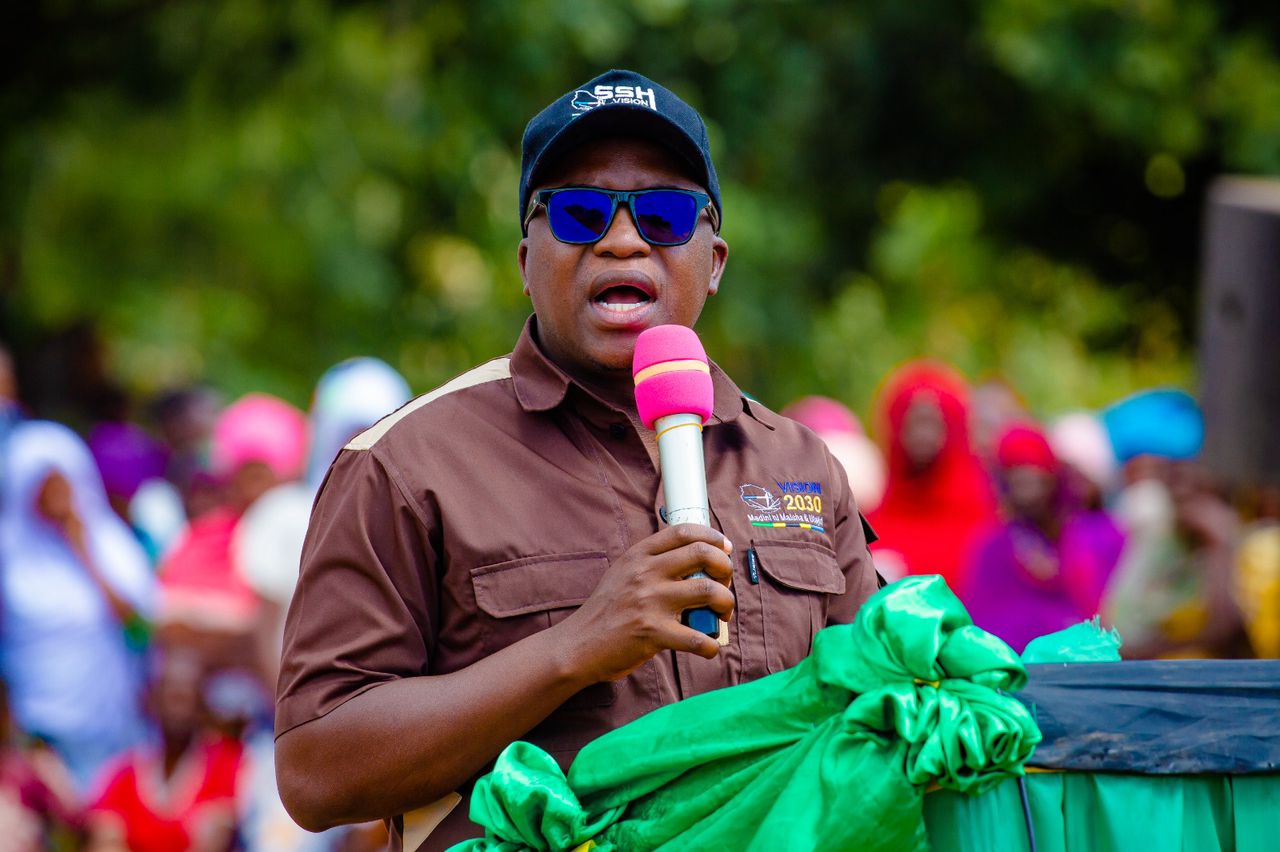
Addressing journalists in Njombe on May 10, 2026, Chief Government Spokesperson Gerson Msigwa confirmed that the twin projects are poised to trigger a massive industrial revolution in the country.
“After extensive discussions, the strategic Liganga–Mchuchuma projects are finally ready for implementation,” Mr Msigwa noted.
The governemnt, he added, has already committed Sh15 billion to compensate local residents, clearing the way for the commencement of operations once the final legal and investment nuances are settled.
He said the project is a flagship national and strategic project for the country’s development expected to gulp in investments of between $2 billion and $3 billion.
It is expected to significantly increase government revenue, create substantial employment opportunities for citizens, stimulate the growth of the iron and steel manufacturing industry, and improve the socio-economic wellbeing of communities living around the project area.
“About 6,500 direct jobes and 26,000 indirect jobs are expected to be generated,” Mr Msigwa noted.
The Mchuchuma and Liganga projects represent a cornerstone of Tanzania’s long-term industrial strategy and are envisioned as a primary driver for the nation’s 2050 Development Vision.
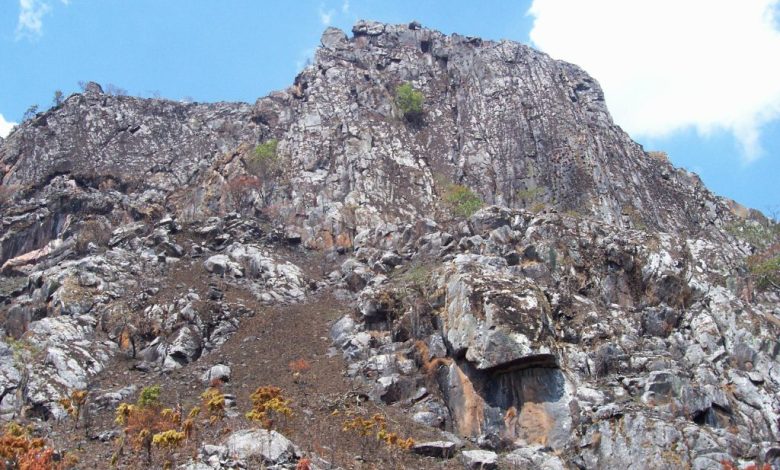
These twin projects are located in the mineral-rich Karoo Supergroup rocks within the Njombe region.
They are designed to create a self-sustaining industrial ecosystem by linking coal power generation with iron ore processing.
The Mchuchuma component focuses on the extraction of coal and its conversion into thermal energy, featuring a mine with the capacity to produce three million tonnes of coal annually.
A dedicated 600-megawatt power station will be constructed on-site to provide a stable energy source for the country and the adjacent iron works.
This project is essential for regional energy security, as the coal reserves in Tanzania are estimated at five billion tonnes, making the country a potential hub for East and Central Africa.
The Liganga project is focused on the mining of iron ore and the establishment of a domestic steel industry, with an annual production capacity of 2.9 million tonnes of raw iron material and 1.1 million tonnes of finished steel products.
By producing steel locally, the government aims to lower the costs of major national construction and infrastructure projects while reducing reliance on expensive imports.
The integrated project, which involves a partnership between the Tanzanian government and a Chinese firm, is currently undergoing an updated feasibility study.
The two sites will be physically and economically linked to ensure operational efficiency through a 220-kilovolt transmission line and a new shortcut route road connecting the project areas.
To facilitate the logistics of such a massive undertaking, the state is also planning a dedicated 1,000-kilometre Standard Gauge Railway branch to serve the mines.
“Over the first 25 years, the projects are projected to generate approximately Sh5 trillion in government revenue,” Mr Msigwa said.
He added that this includes $92,593,820 from coal-related operations, $910,781,519 from iron ore mining, and $987,114,246 from the steel manufacturing plant.
Beyond the direct financial returns, the social impact is expected to be profound through corporate social responsibility programmes and improved infrastructure.
As negotiations conclude, the government remains focused on resolving the few remaining items where a consensus has yet to be reached to ensure the project commences immediately.