
Dar es Salaam. Tanzania’s long search for commercially viable onshore oil reserves has received fresh momentum after the Tanzania Petroleum Development Corporation (TPDC) announced encouraging signs of possible hydrocarbon deposits in the Eyasi-Wembere Basin.
The development marks one of the country’s most ambitious inland petroleum exploration efforts in more than a decade and could potentially reshape Tanzania’s energy landscape if commercially recoverable reserves are eventually confirmed.
Located along the eastern arm of the East African Rift System, the Eyasi-Wembere exploration block stretches across northern and central Tanzania. The basin covers parts of Arusha, Singida, Simiyu, Shinyanga and Tabora regions.
TPDC says geological findings from the area resemble formations found in Uganda’s Albertine Graben and Kenya’s Turkana Basin, two regions where major oil discoveries have already been made.
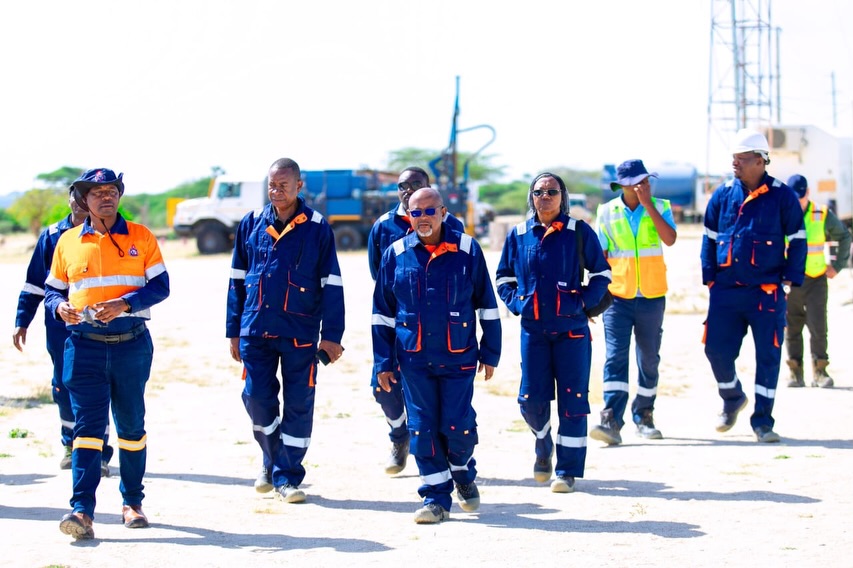
Speaking after visiting the exploration site over the weekend, TPDC board chairman Amb Ombeni Sefue said preliminary seismic interpretations indicate promising prospects.
“We are satisfied with the progress and the geological evidence supporting the project,” Mr Sefue said.
He noted that the project, which started in 2015, has already consumed more than Sh47.4 billion, fully financed by TPDC.
According to the corporation, seismic data acquisition, a critical phase used to map underground geological structures, has now reached 78 percent completion and is expected to conclude by June 2026.
The ongoing surveys cover approximately 779 kilometres across the exploration block.
Industry experts describe seismic acquisition as one of the most decisive stages in petroleum exploration because it determines whether drilling can proceed with reduced geological risk.
TPDC officials say the data collected so far suggests the presence of structural formations capable of trapping hydrocarbons deep underground.
However, they caution that additional technical interpretation and exploratory drilling will still be required before confirming whether commercially recoverable oil exists.
The Eyasi-Wembere Basin occupies a strategically important position within the Great East African Rift System, a geological formation that has become increasingly attractive to global energy investors over the past two decades.
Oil discoveries in Uganda and Kenya transformed regional perceptions about East Africa’s petroleum potential and triggered renewed interest in frontier basins across the region.
For Tanzania, success in Eyasi-Wembere would carry major economic and strategic implications.
The country currently imports substantial quantities of refined petroleum products to meet domestic energy demand.
A viable local crude oil industry could reduce import dependence, strengthen energy security and create new export opportunities.
Analysts say one of the strongest advantages of the Eyasi-Wembere project is its proximity to the East African Crude Oil Pipeline (EACOP), the multibillion-dollar pipeline designed to transport crude oil from Uganda’s Lake Albert oilfields to the Tanzanian port city of Tanga.
The pipeline passes through the exploration block, potentially lowering future transportation and infrastructure costs if oil is discovered.
Mr Sefue said the existence of the pipeline increases the commercial attractiveness of the basin.
“The EACOP project gives additional confidence because any future discoveries would already have access to transportation infrastructure,” he said.
The TPDC chairman also highlighted the growing capacity of Tanzanian petroleum experts, saying the corporation has significantly reduced reliance on foreign specialists.
“Previously we depended heavily on external expertise. Today our own professionals can manage and supervise complex upstream operations,” he said.
The exploration programme is being implemented in phases, beginning with geological mapping, airborne geophysical interpretation and seismic acquisition before eventually progressing to exploratory drilling.
Project manager Sindi Maduhu said data processing is continuing simultaneously as fieldwork advances.
“We are processing this data carefully to avoid making decisions that could be costly to the country,” Mr Maduhu said.
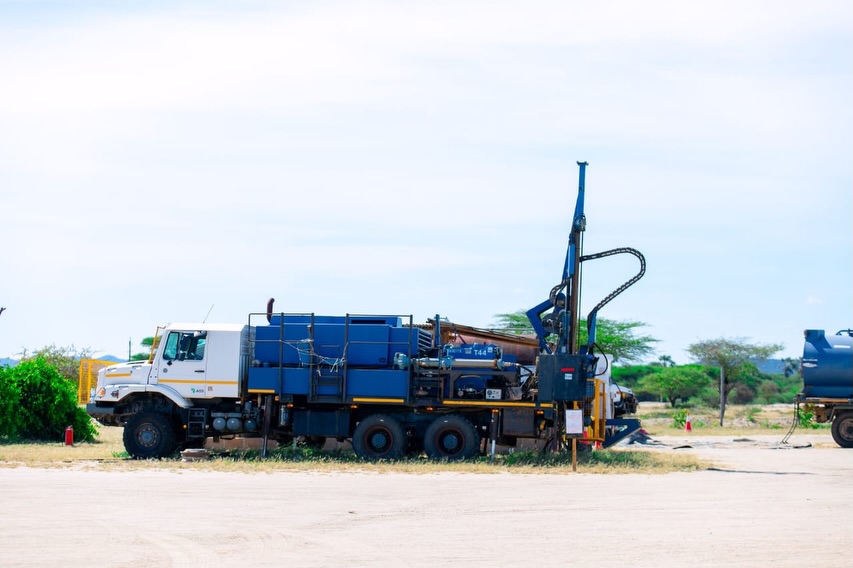
Part of the analysis is being undertaken locally while additional interpretation work is being supported by specialists in Serbia to improve accuracy and speed up processing.
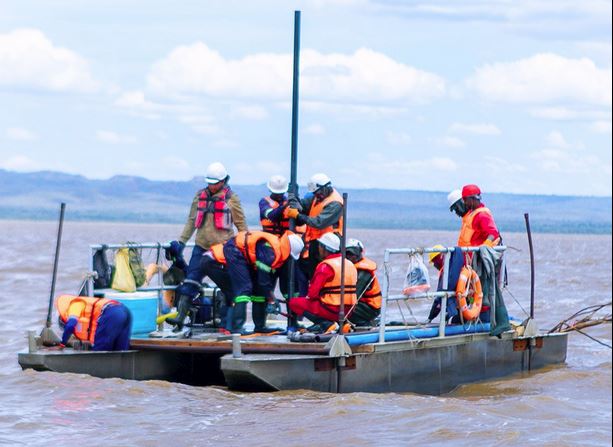
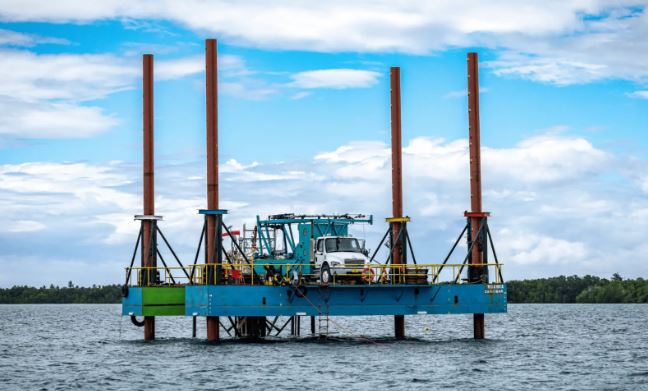
Despite logistical challenges caused by weather conditions and shallow sections of Lake Eyasi, TPDC says contractor AGS has maintained operational efficiency using specialised seismic equipment adapted to the terrain.
The corporation expects the first exploration phase to be fully completed within the coming months before decisions are made on drilling locations.
Energy analysts caution that frontier exploration projects remain highly risky and expensive, with many promising basins globally failing to produce commercially viable discoveries after drilling.
Even so, the growing confidence around Eyasi-Wembere reflects Tanzania’s determination to expand its role within East Africa’s emerging petroleum industry.
For now, the seismic signals beneath the Rift Valley are offering something Tanzania’s energy sector has pursued for years, cautious but rising optimism.