

Paris. Tanzania and its French development partners have held talks on the second phase of the 100-megawatt Kishapu Solar Power Project as the government seeks to expand electricity generation from renewable energy sources.
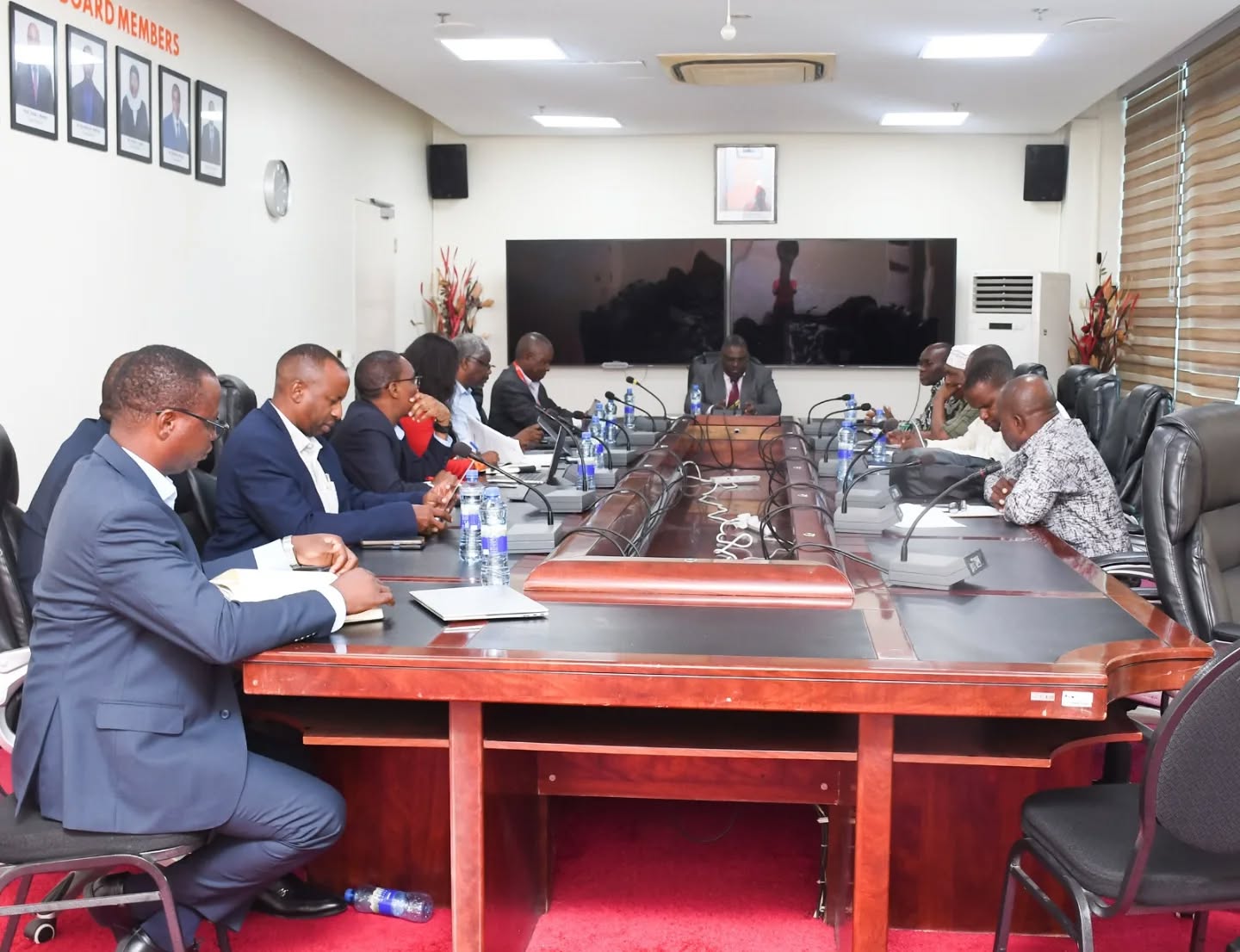
The discussions took place on July 6, 2026 at the Tanzanian Embassy in Paris.
They brought together Energy Minister Deogratius Ndejembi, representatives from France’s Ministry of Finance, the French Development Agency (AFD) and engineering company Sagemcom.
The meeting focused on implementing the next phase of the solar power project in Kishapu District, Shinyanga Region.
Mr Ndejembi thanked the French government, through its Ministry of Finance and AFD, for its continued support for Tanzania’s energy sector.
He described France as an important development partner in financing and implementing strategic energy projects.
He said the partnership had played a significant role in improving access to reliable electricity across the country.
It had also supported Tanzania’s broader social and economic development agenda.
“The continued cooperation between Tanzania and France is helping to strengthen energy security while accelerating the country’s transition to cleaner sources of power,” Mr Ndejembi said.
The Energy Minister added that expanding renewable energy projects would help meet growing electricity demand, support industrialisation and improve energy access in underserved areas.
AFD Chief Executive Sandra Kassab commended the Tanzanian government for the progress made in implementing energy projects, particularly those aimed at increasing electricity generation and promoting clean energy.
She reaffirmed AFD’s commitment to maintaining its partnership with Tanzania.
She said the agency would continue supporting the successful implementation of the projects to ensure they deliver lasting benefits to Tanzanians.
The Kishapu Solar Power Project forms part of Tanzania’s wider strategy to diversify its energy mix and increase the contribution of renewable energy to the national grid.
The initiative is expected to enhance electricity reliability while supporting the country’s transition towards low-carbon energy development.