

Dar es Salaam. Tanzania Railways Corporation (TRC) has introduced additional Standard Gauge Railway (SGR) passenger train services on key routes linking Dar es Salaam, Morogoro and Dodoma, following disruptions caused by heavy rains that have affected transport infrastructure in several parts of the country.
The move comes a day after unusually intense rainfall on December 28, which led to operational challenges across multiple transport corridors, including roads, electricity supply and railway services.
The rains, accompanied by strong winds, were earlier forecast by the Tanzania Meteorological Authority and have since impacted sections of both the metre gauge railway (MGR) and associated infrastructure.
In a public notice issued on December 29, TRC said the additional SGR services were intended to ease congestion and address travel demand arising from the temporary disruptions.
The corporation noted that the regular SGR timetable for December 29 would continue as scheduled, with extra trips added to cater for passengers affected by the previous day’s interruptions.
Under the revised arrangements, multiple additional departures were introduced between Dodoma and Dar es Salaam throughout the morning and afternoon, alongside extra services on the Dar es Salaam–Morogoro and Morogoro–Dar es Salaam sections.
The enhanced schedule is designed to improve passenger flow on the central corridor, which has become increasingly critical during periods when road transport is compromised.
The decision follows a separate public statement by the Ministry of Works, which confirmed that the heavy rains had affected transport and utility infrastructure in parts of Morogoro and Dodoma regions.
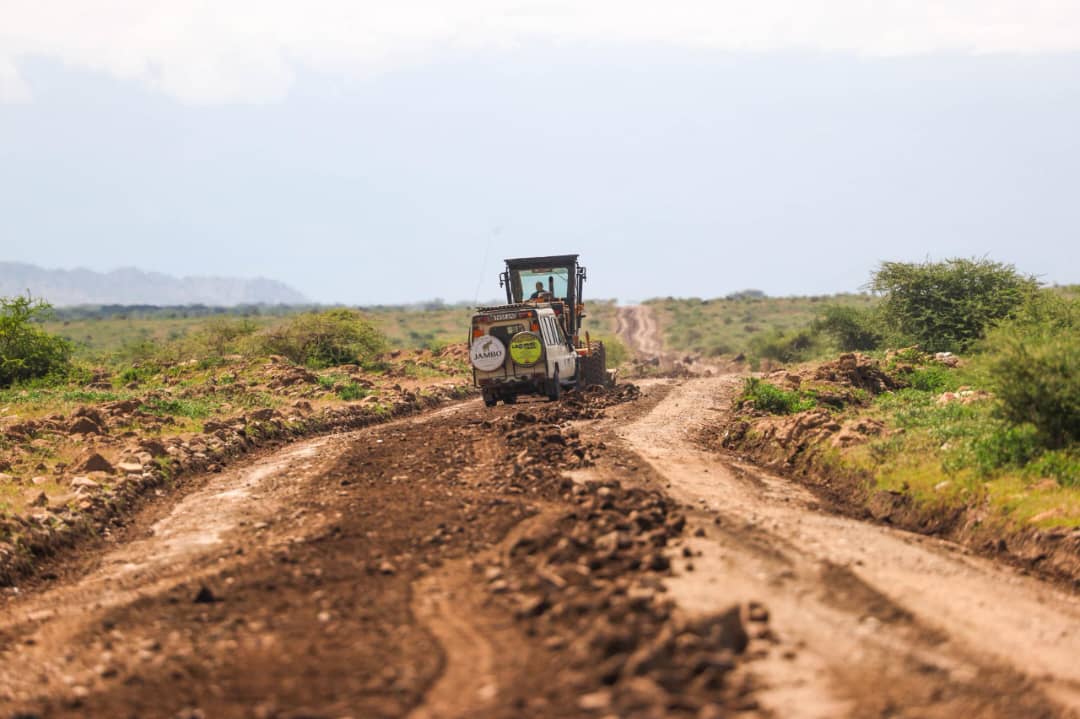
According to the ministry, flooding and related damage disrupted electricity supply, including power serving the SGR system at Kisasa, and affected road sections such as the Morogoro–Iringa highway, particularly around the Mikumi area.
The situation raised safety concerns for both road users and rail operations, prompting calls for heightened caution.
While repair and restoration works are under way, authorities have urged travellers to follow official updates and comply with safety guidance, especially in areas prone to flooding or infrastructure damage.
The SGR line linking Dar es Salaam to Morogoro and Dodoma has become a central pillar of Tanzania’s passenger and freight transport network.
Designed to offer faster, safer and more reliable travel compared with the older MGR system, the electric-powered railway has significantly reduced travel times between the commercial capital and the political capital, while easing pressure on roads along the busy central corridor.
The Dar es Salaam–Morogoro–Dodoma route is among the busiest in the country, serving commuters, business travellers and long-distance passengers.
During peak travel periods or in times of disruption to other modes of transport, the SGR has increasingly been used as a stabilising alternative, capable of absorbing sudden surges in demand.
TRC said it continues to monitor weather conditions and the state of railway infrastructure closely, working with other government agencies to ensure passenger safety and service continuity.
The corporation reiterated that improving customer service remains a priority, particularly in challenging conditions brought about by extreme weather events.
As climate-related disruptions become more frequent, transport authorities are placing greater emphasis on resilience and operational flexibility, with the expanded SGR services offering a practical response to infrastructure strain caused by heavy rains.