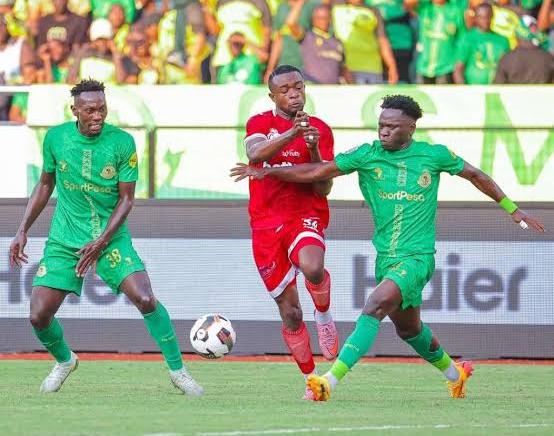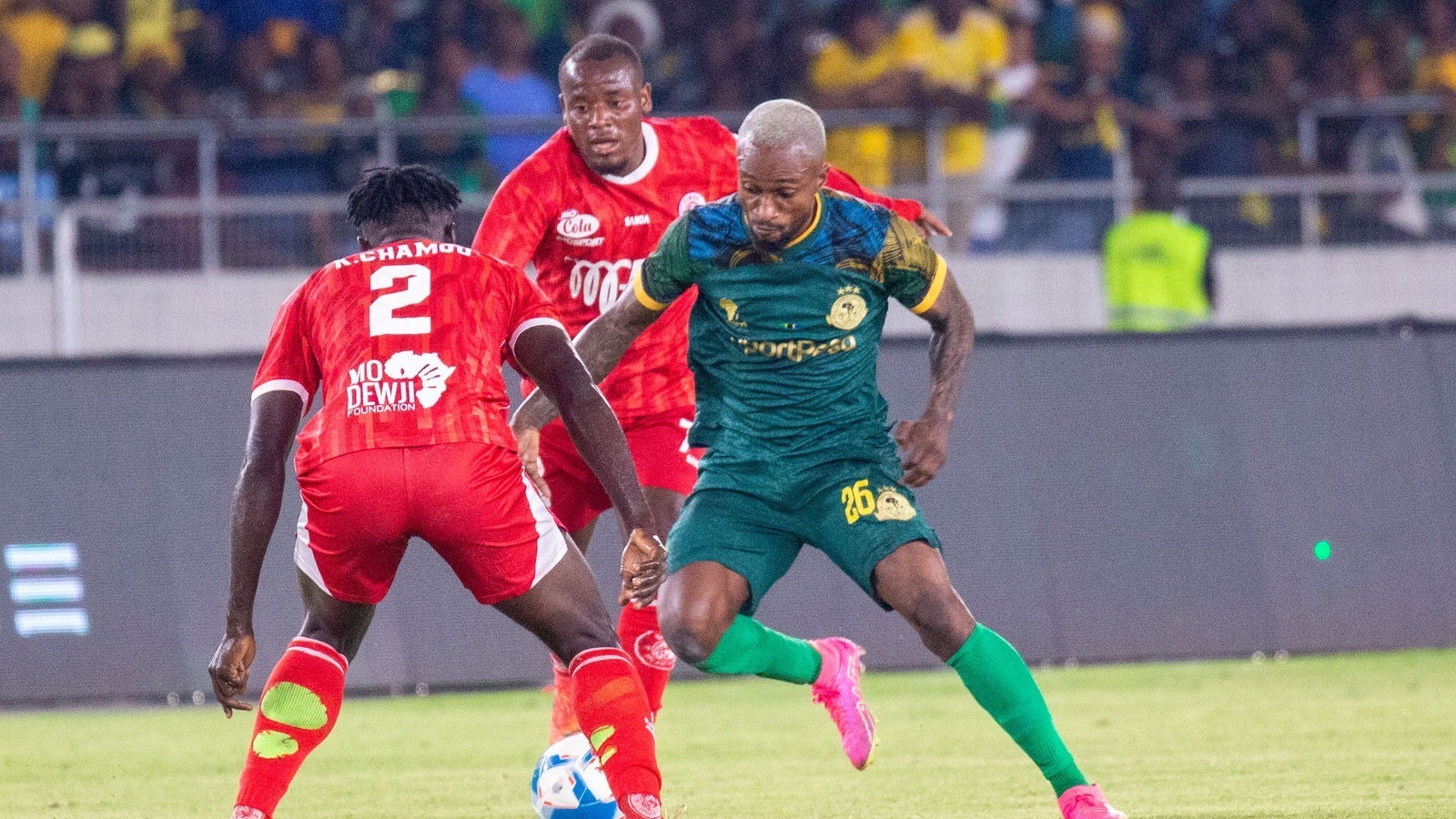

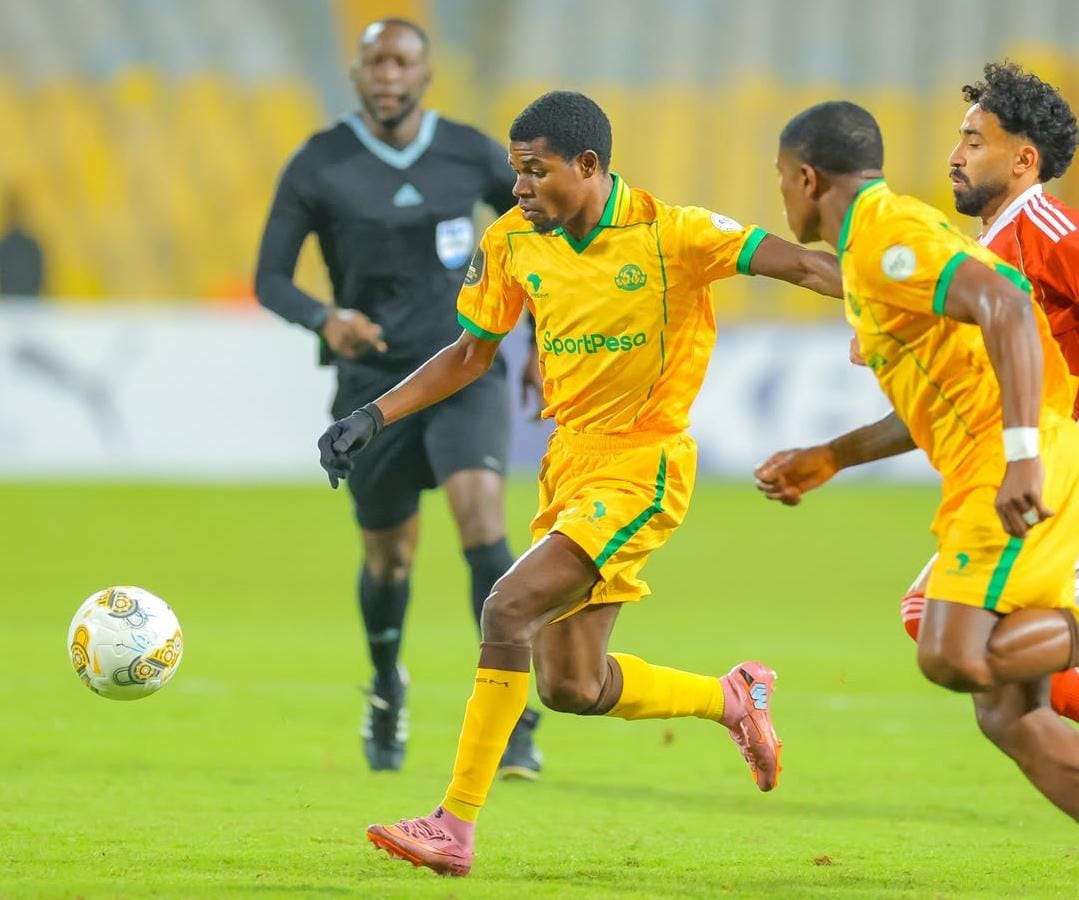
In the CAF Champions League, Young Africans SC (Yanga) have continued to face a daunting task whenever they come up against Al Ahly away from home, with records clearly highlighting the difficulty of playing against Africa’s most successful club on their own turf.
In five away matches against Al Ahly, including Friday’s 2–0 defeat at Al Salam Stadium in Cairo, Egypt, Yanga have never managed a win or a draw, losing all five encounters.
Unlike their previous Mainland Premier League match against Mashujaa, Yanga head coach Pedro Gonçalves made changes to his starting line-up in two areas.
Djigui Diarra returned in goal in place of Abuutwalib Mshery, while Israel Mwenda was deployed at right-back instead of Kibwana Shomary.
Another adjustment came in attack, where Laurindo Dilson ‘Depu’, who scored and provided an assist against Mashujaa, was preferred to Prince Dube, with Pacôme Zouzoua starting on the bench.
Pedro opted to begin the match with three central defenders, changing Yanga’s structure from a 4-2-3-1 to a 3-5-2 formation.
The tactical shift appeared to work well during the opening 45 minutes, despite conceding a goal in first-half stoppage time (45+3), when Trezeguet headed in a Mohamed Hany cross.
During the first half, Yanga looked solid both defensively and going forward, registering four shots, two on targe,t the same number of attempts as the hosts.
Al Ahly, by contrast, managed just one shot on target in that period.
Yanga began the second half with two immediate substitutions, as Mwenda and Damaro, who were already on a yellow card, were withdrawn, with Pacôme Zouzoua and Mudathir Yahya introduced.
However, Yanga conceded a second goal in the 75th minute, once again through Trezeguet.
The changes made by Yanga in the second half did not have the desired effect.
Instead, the team appeared more exposed at the back while pushing for an equaliser, allowing Al Ahly to create three clear chances. One of those opportunities resulted in the second goal and sealed victory for the hosts.
The introduction of Pacôme and later Prince Dube in attack reduced Yanga’s defensive solidity.
Recognising this, Pedro made further adjustments in the 82nd minute, withdrawing Boka and Job and bringing on Mohammed Hussein and Yao in an effort to restore balance.
Despite those changes adding some stability, Yanga were already two goals down, and their attempts to get back into the match failed to bear fruit.
Yanga’s first away meeting with Al Ahly dates back to March 15, 2009, when they suffered a heavy 3–0 defeat in Cairo.
On March 9, 2014, Yanga returned to Cairo full of hope after winning the first leg 1–0 at home through Nadir Haroub ‘Canavaro’.
However, Al Ahly won the return leg 1–0 after 90 minutes, before edging the tie 4–3 on penalties to knock Yanga out of the competition.
In the 2016 season, Yanga again faced Al Ahly away on April 20, losing 2–1. Although the result was another defeat, Yanga showed greater resilience than in previous meetings and managed to score an away goal, though it was still not enough to avoid defeat.
Eight years later, in 2024, Yanga met Al Ahly once more in Egypt during the group stage, in Group D.
They lost 1–0 to a goal from Hussein El Shahat, but still finished the group with eight points, ending second behind Al Ahly and setting a club record by qualifying for the quarter-finals.
Overall, in their away matches against Al Ahly, Yanga have conceded nine goals and scored only once, statistics that underline just how difficult it is to break down the Egyptians when they play at home.
That away record has made every meeting between the two sides in Egypt a major test for Yanga, particularly given Al Ahly’s effective use of home advantage and vast experience in continental competitions.
Following the result, Yanga now return home to prepare for another clash with the African giants next weekend, on January 30, in Zanzibar, where they will be hoping to exact revenge at Amaan Stadium.
Starting line-ups:
Al Ahly: Shobeir, Ashour, Atef, Attia, Dieng, Hany, Ibrahim, Kouka, Otaka, Trezeguet, Zizo.
Yanga: Diarra, Mwenda, Boka, Hamad, Job, Mwamnyeto, Damaro, Abuya, Depu, Nzengeli, Okello.