
The Strait of Hormuz remains virtually closed following a sharp military escalation in late February.
This vital maritime artery normally handles over 20 percent of the world’s petroleum liquids.
Recent data from UN Trade and Development (UNCTAD) shows ship transits have collapsed by 95 percent.
Daily vessel traffic dropped from 130 ships in February to just six in March.
This bottleneck is now sending shockwaves through every sector of the global economy.
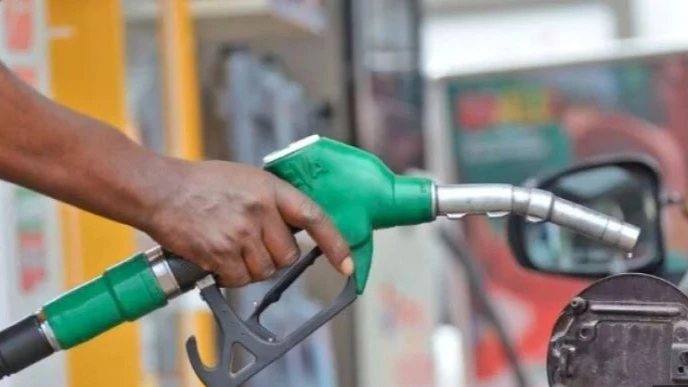
Energy markets are reacting with extreme volatility. Global oil prices have surged toward $100 a barrel.
In some regions, fuel prices have doubled compared to last year.
These rising costs are inflating the price of basic goods and services.
Vulnerable populations face a direct threat to their livelihoods as the cost of living climbs.
Households are seeing higher bills for heating, transport, and food.
Global growth projections for 2026 are being revised downward.
UNCTAD now expects global trade growth to fall to between 1.5 percent and 2.5 percent.
This is a significant drop from the 4.7 percent growth seen in 2025.
The disruption acts as a massive supply shock.
It weighs heavily on demand while pushing prices higher.
Developed economies could see their growth rates nearly halved.
Developing nations face the most severe financial ramifications.
Capital is fleeing toward safe-haven assets.
This shift has triggered sharp currency depreciations across Africa, Latin America, and Asia.
Stock prices in these regions are falling.
Simultaneously, the cost of servicing external debt is rising. Many countries now struggle to afford essential imports like food and medicine.
The crisis extends beyond energy to agriculture and technology.
About one-third of globally traded fertiliser passes through the strait.
Farmers face a 32 percent jump in fertiliser costs during the crucial spring planting season.
This spike threatens future crop yields and food security.
Additionally, a shortage of helium from the region is impacting global semiconductor production.
Economists are calling for urgent international intervention.
UNCTAD suggests a policy mix to stabilise prices and protect the poor.
Rapid access to external financing is essential for developing states.
This could include debt relief and currency swap agreements.
Development banks may need to provide emergency loans immediately.
Bilateral creditors are encouraged to suspend debt service payments.
Restoring stability is now a matter of global urgency.
Diplomats from 35 nations recently met to discuss reopening the waterway.
They seek to guarantee the safety of trapped ships and seafarers.
Without immediate de-escalation, the economic hardship will intensify.
The current fragility of the global system leaves little room for a prolonged conflict.