
Dodoma. The enduring vision of Tanzania’s founding father, Julius Kambarage Nyerere, continues to cast a long and steady shadow across the country’s modern mining landscape.
What began as a bold ideological blueprint in 1972 has matured into a structured and increasingly sophisticated mineral economy that is now drawing admiration across Africa.
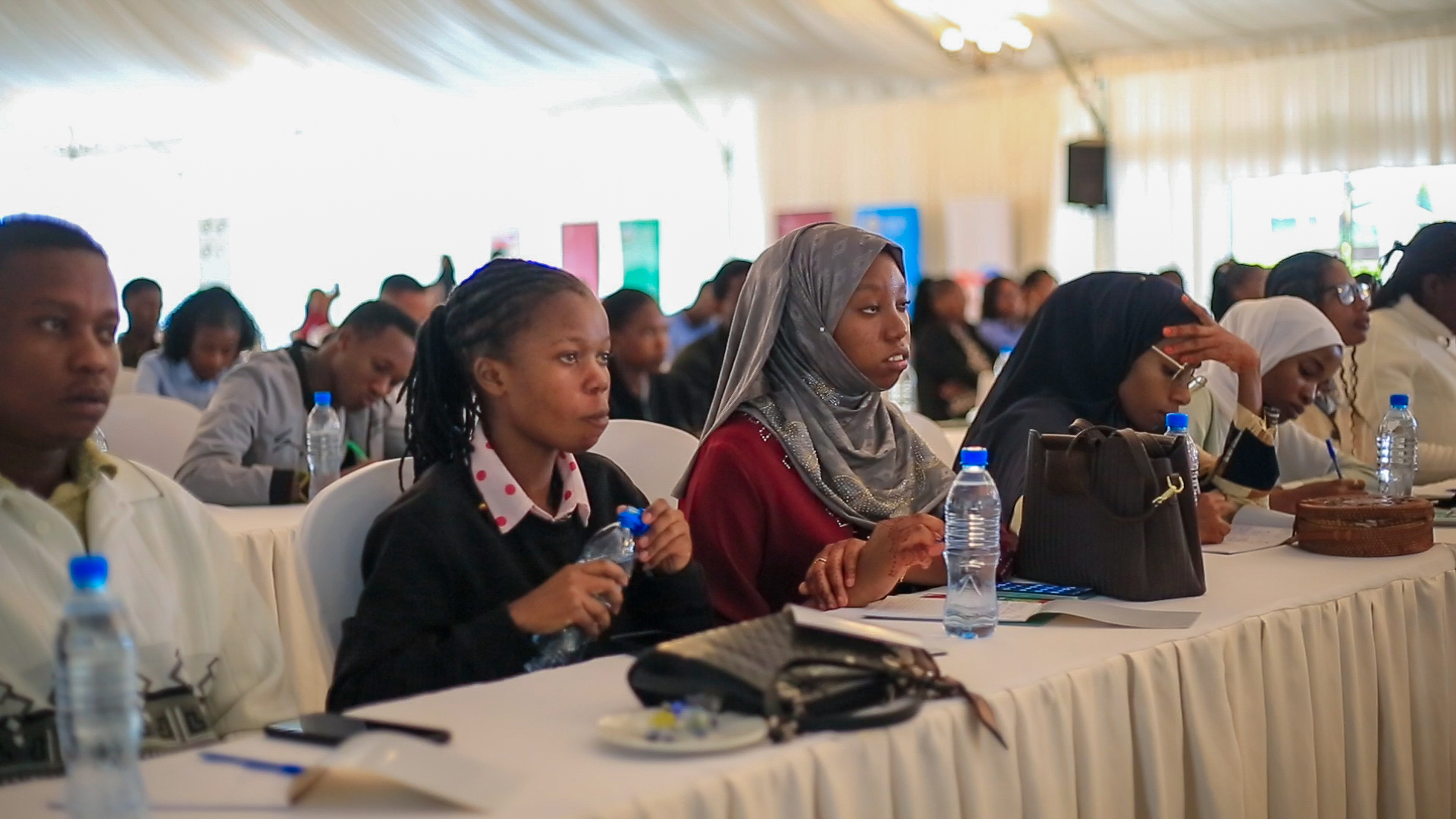
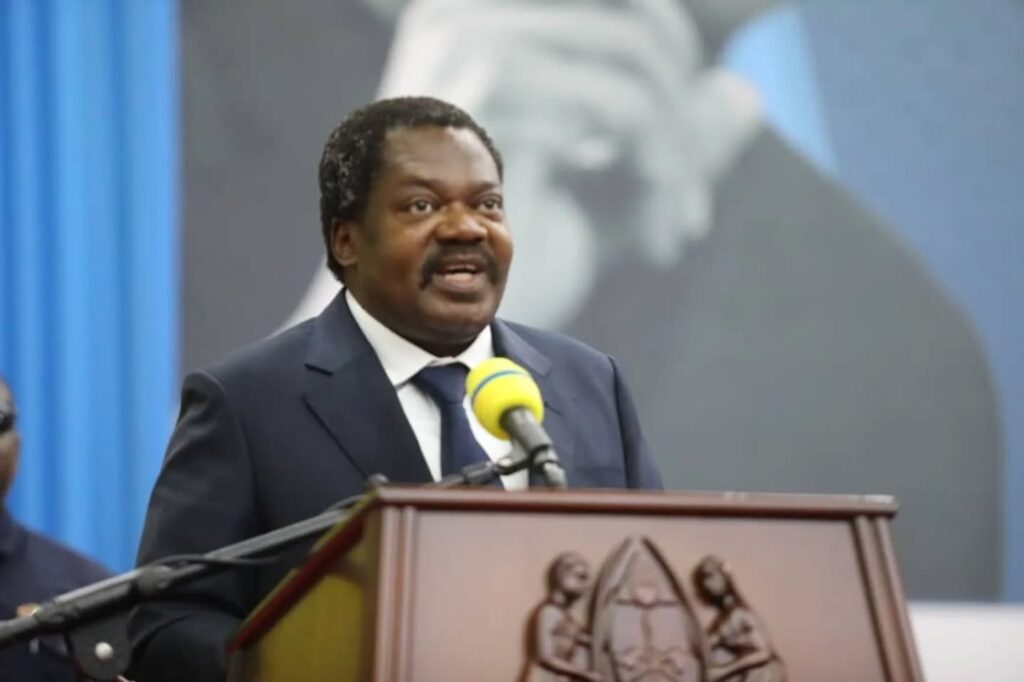
Speaking at celebrations marking the 104th anniversary of Mwalimu Nyerere’s birth at the University of Dodoma, the managing director of State Mining Corporation (Stamico), Dr Venance Mwasse, reflected on the remarkable endurance of a vision anchored in national ownership, discipline and long-term stewardship of natural wealth.

He noted that Stamico itself was born on August 12, 1972, through an Establishment Order signed personally by Nyerere.
At the time, the young nation was laying the foundations of a state-led industrial economy. Mining, though modest in scale, was identified as a strategic sector that would support sovereignty and national self-reliance.
That decision would shape decades of policy evolution.
A sector shaped by ideology and reform
In the 1970s and 1980s, Tanzania maintained strong state control over mineral extraction.
The system reflected Nyerere’s philosophy of collective ownership and national responsibility. Mining operations were largely supervised by government institutions, with strict regulation of exploration and production.
Yet the winds of economic reform that swept across Africa in the late 1980s and 1990s brought new realities.
Tanzania introduced the Mineral Policy of 1997 and later the Mining Act of 1998, opening the sector to private investment and foreign participation.
These reforms triggered a surge in large-scale mining projects, particularly in gold production.
By the early 2000s, Tanzania had emerged as one of Africa’s major gold producers, hosting internationally recognised operations in regions such as Geita, Kahama and Shinyanga.
Alongside gold, the country’s geological wealth expanded to include diamonds, tanzanite, coal, nickel, uranium, graphite and rare gemstones.
Tanzanite, a gemstone found almost exclusively in northern Tanzania, became an international symbol of the country’s mineral identity and added prestige to its geological profile.
The turbulent road to legal sovereignty
The transformation of Tanzania’s mining regime was not always smooth.
Episodes of mineral smuggling, disputes over tax compliance and questions surrounding the equitable sharing of revenues triggered national debate.
These pressures culminated in sweeping reforms that reshaped the industry.
Between 2004 and 2008, several national review committees, including the Kipokola, Masha and Bomani commissions, were established to assess systemic weaknesses in mining governance. Their findings paved the way for the Mineral Policy of 2009 and the enactment of the Mining Act of 2010.
The Mining Act of 2010 replaced earlier legislation and introduced clearer provisions governing mineral rights, licensing procedures, royalties and environmental responsibilities.
It marked a decisive step toward modernising the legal framework and strengthening state oversight.
Yet perhaps the most defining moment came in 2017, when Parliament enacted a trio of landmark laws designed to reassert national sovereignty over natural resources.
These included the Natural Wealth and Resources (Permanent Sovereignty) Act and amendments to the Mining Act.
Among their key provisions were a minimum 16 percent government stake in mining ventures, stricter local content requirements and limitations on the export of raw mineral concentrates.
The reforms also empowered Parliament to review existing contracts deemed unfair to national interests.
These changes signalled a profound shift, from extraction to beneficiation, from export of raw minerals to value addition within national borders.
The rise of value addition and sustainable mining
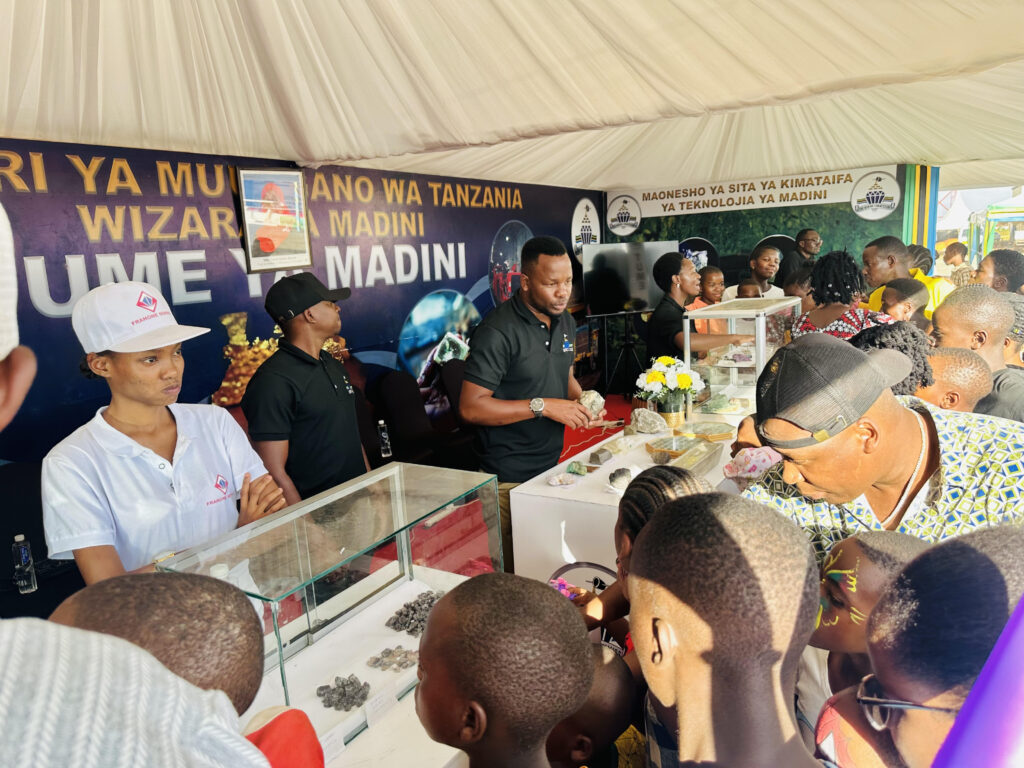
Today, Tanzania’s mining sector stands at the threshold of a new era defined not merely by extraction but by industrial transformation.
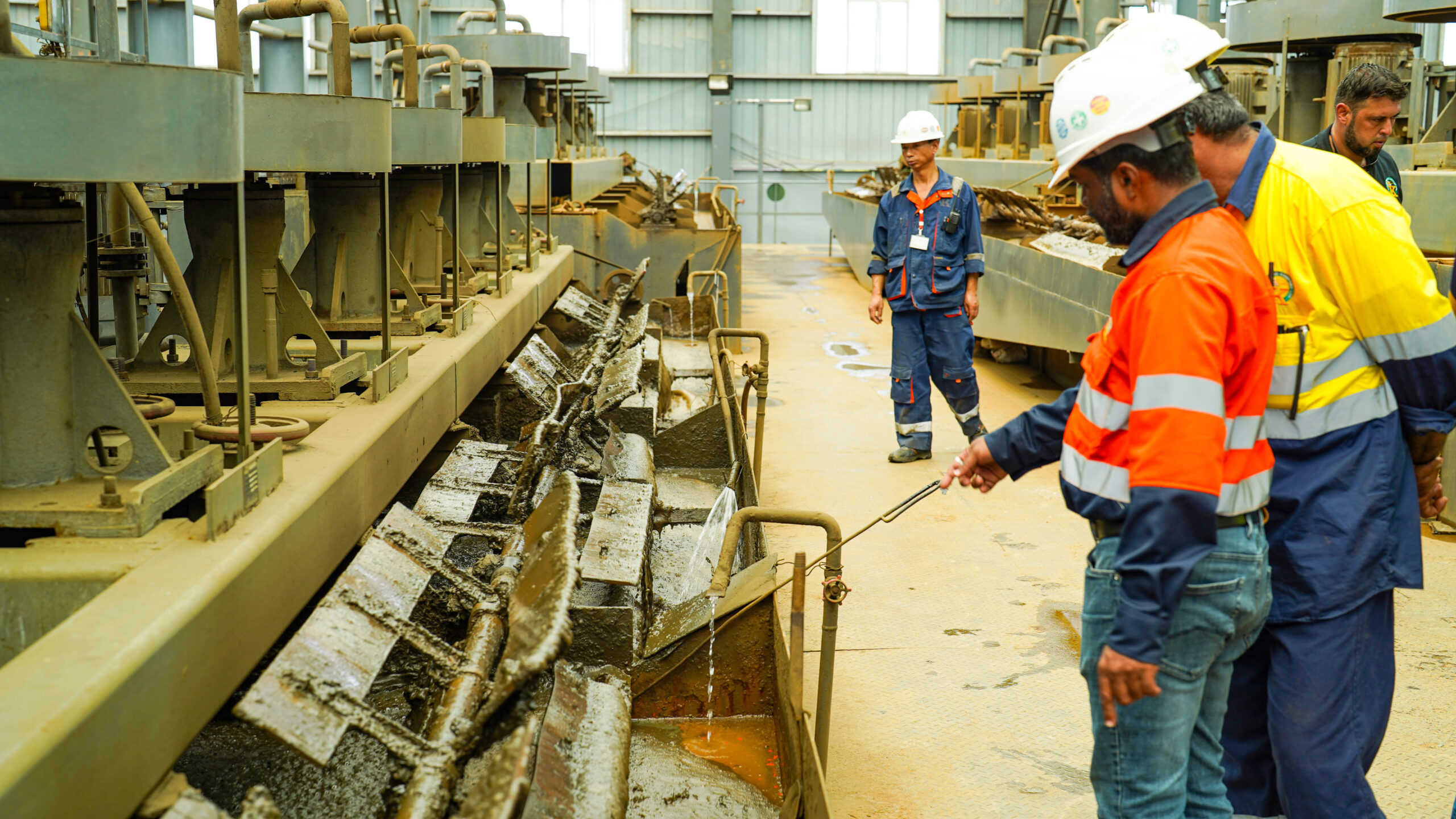
Mineral processing and refining have become central pillars of policy.
The government has encouraged the establishment of smelters, refineries and mineral trading centres to retain value within the domestic economy.
Gem and mineral markets established across the country have formalised trading systems and reduced smuggling.
These initiatives have also improved transparency and ensured more predictable revenue streams for the national treasury.
Environmental sustainability has also taken centre stage.
Regulations governing corporate social responsibility, environmental restoration and community engagement now form part of mining licences.
The goal is clear: to balance industrial growth with ecological preservation and community welfare.
This deliberate alignment of economic ambition with environmental responsibility has positioned Tanzania as an emerging model of responsible resource governance on the continent.
A regional blueprint for Africa
Dr Mwasse revealed that Tanzania’s progress has not gone unnoticed.
Over the past three years, several neighbouring countries have sent delegations to study the nation’s mineral management systems.
Some are now in the process of establishing national mining corporations inspired by Tanzania’s experience.
Such developments underscore the regional significance of the Tanzanian model.
The philosophy that once guided a newly independent nation now informs modern policy frameworks across borders.
At the institutional level, the establishment of the Mining Commission of Tanzania marked another milestone. Created under the revised Mining Act, the commission consolidated regulatory functions previously scattered across multiple agencies.
Its mandate includes licensing, inspection, compliance monitoring and revenue assurance.
This consolidation has strengthened regulatory discipline and improved investor confidence, reinforcing the country’s reputation as a structured and predictable mining jurisdiction.
The revival of Stamico
Parallel to these national reforms has been the rebirth of Stamico itself.
Once threatened with dissolution during periods of restructuring, the corporation has undergone a remarkable transformation.
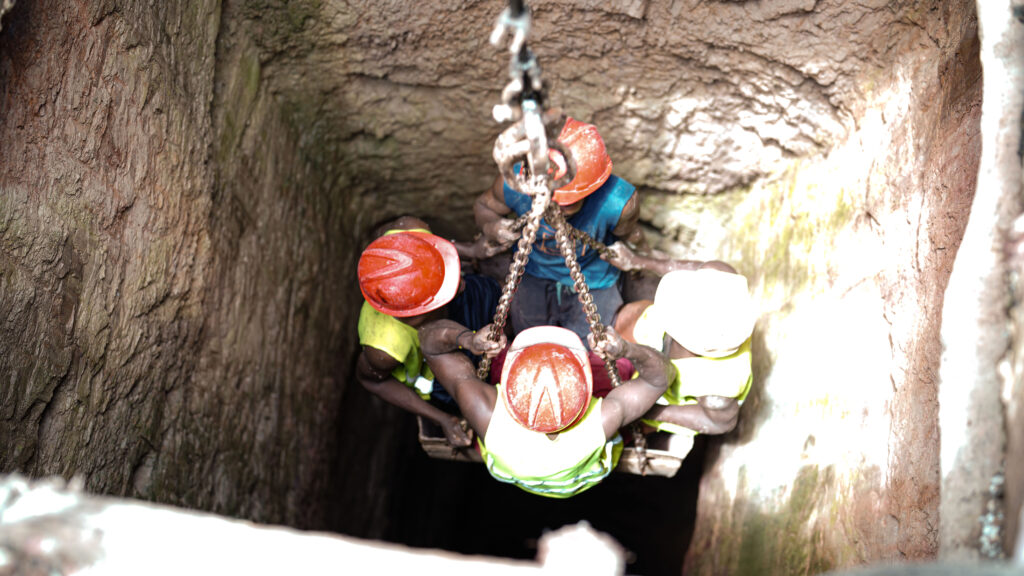
It has re-emerged as a central player in exploration, joint ventures and technical support to small-scale miners.
Dr Mwasse attributed this resurgence to the continued relevance of Nyerere’s philosophy of self-reliance.
The corporation has invested heavily in youth training, equipment provision and technical capacity building.
More than 1,000 jobs have been created through youth-centred initiatives.
These programmes aim to cultivate a new generation of skilled miners capable of operating modern equipment and adopting responsible extraction methods.
From policy to prosperity
The mining sector’s economic footprint has expanded steadily.
In recent years, the industry has contributed more than five percent to national gross domestic product, reflecting its growing strategic importance within Tanzania’s broader industrialisation agenda.
Beyond direct revenue, mining has stimulated growth in transport, construction, energy and financial services.
Roads, power lines and communication networks built to support mines have opened remote regions to wider economic activity.
These linkages reflect the broader developmental philosophy first articulated by Nyerere: that natural resources must serve as catalysts for national transformation rather than isolated pockets of wealth.
Toward Vision 2050
Looking ahead, Dr Mwasse linked Tanzania’s mining trajectory to the ambitions of Vision 2050, a national roadmap targeting a diversified and competitive economy with a projected gross domestic product of one trillion dollars.
The strategy emphasises value addition, technological innovation and industrial integration. Mining is expected to remain one of its central pillars.
Under this vision, minerals will not merely be extracted but processed into finished products.
Gold refining, gemstone cutting and industrial mineral processing are expected to generate new industries and export opportunities.
The transformation aligns closely with global demand for responsibly sourced minerals, particularly those essential to renewable energy technologies and modern manufacturing.
A legacy that endures
More than half a century after the signing of the 1972 Establishment Order, the legacy of Julius Nyerere continues to guide Tanzania’s mineral destiny.
His insistence on national ownership, discipline and long-term planning laid the philosophical bedrock upon which modern reforms have been constructed.
Today, Tanzania stands not merely as a producer of minerals but as a leading advocate of sustainable extraction, local beneficiation and institutional accountability.
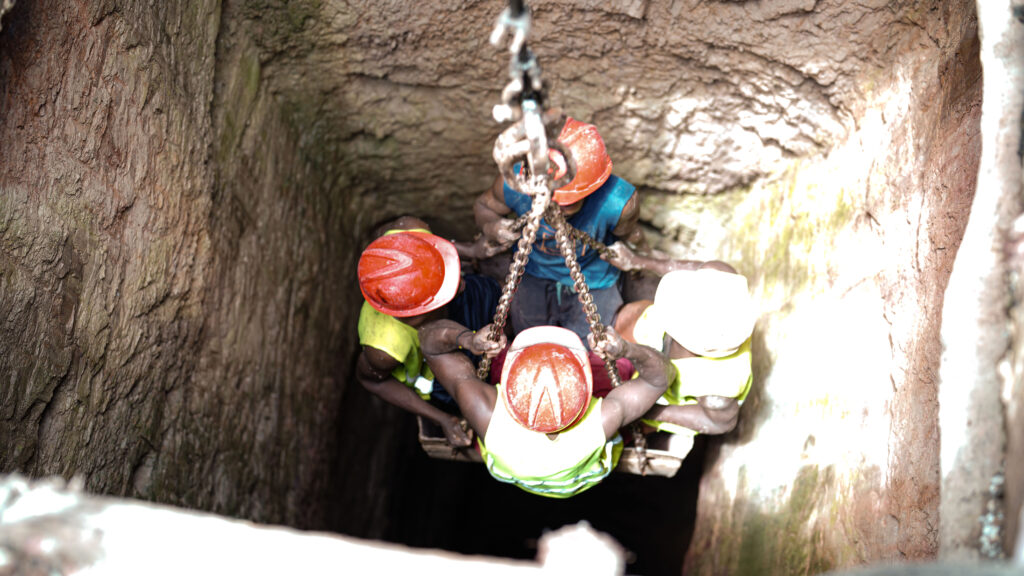
In the corridors of government, the shafts of underground mines and the lecture halls of universities, the echoes of that original vision remain unmistakable.
It is a reminder that while leaders pass into history, their ideas, carefully nurtured, can shape the future of nations and, increasingly, offer a template for an entire continent seeking to transform resource wealth into enduring prosperity.