
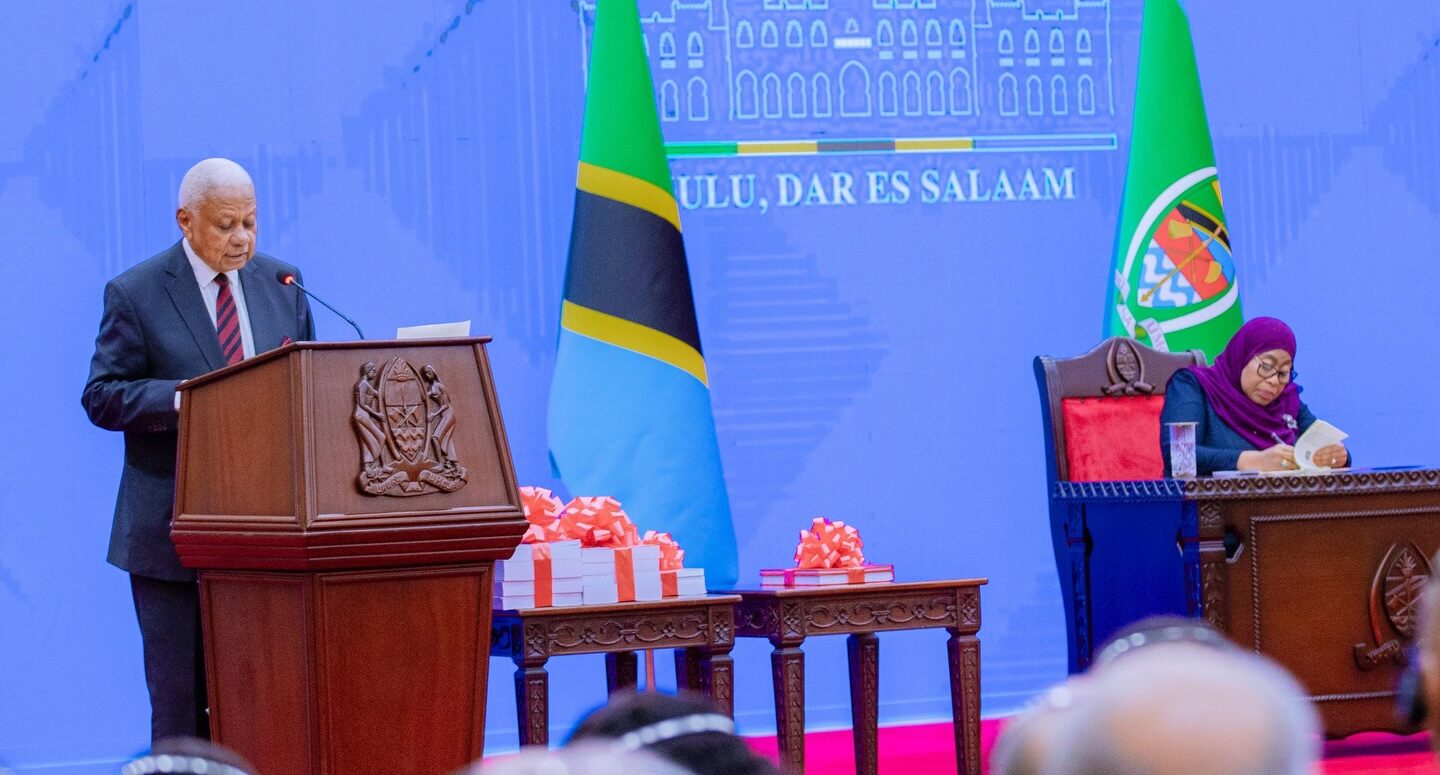
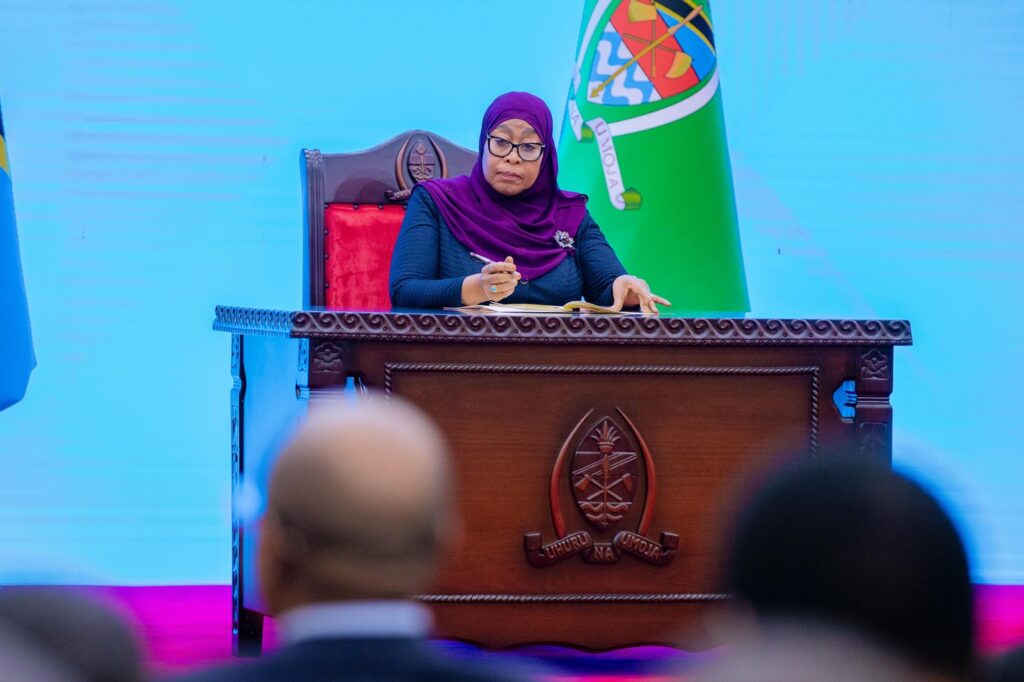
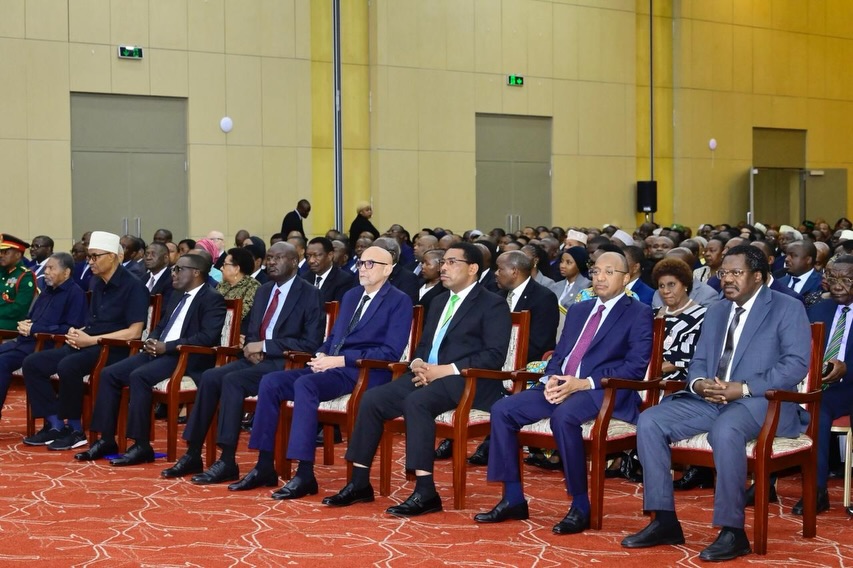
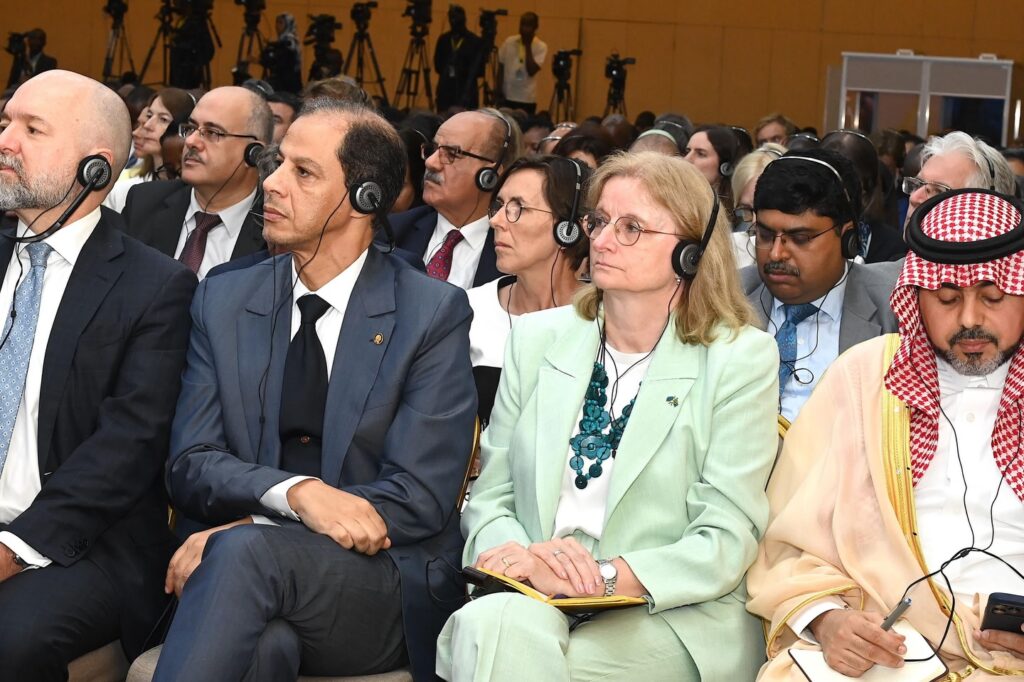
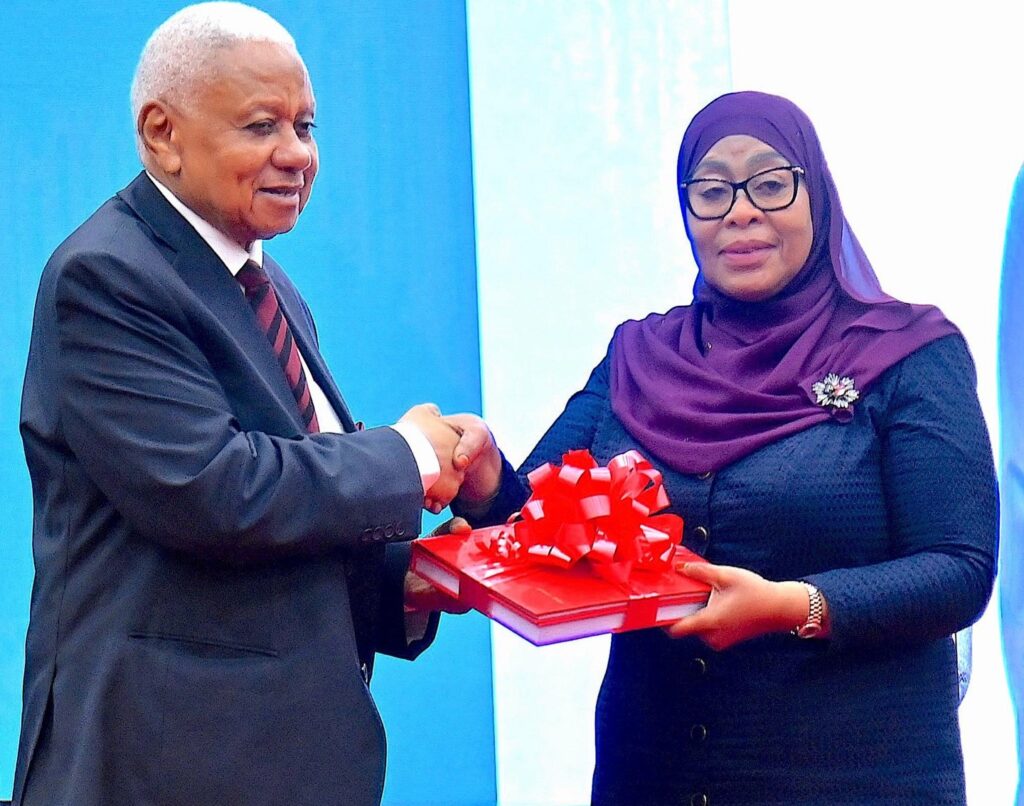
Dar es Salaam. President Samia Suluhu Hassan has pledged compensation, criminal investigations and national reconciliation after the Presidential Commission of Inquiry into the October 29 Election Violence presented its long-awaited findings at State House on April 23, 2026.
The Head of State said the government would assess losses suffered by small businesses that lacked insurance cover and were affected by looting and destruction during the unrest.
“We will assess their losses and see how to help them get their businesses back in operation,” President Hassan said.
She stressed that the government would lead efforts to restore livelihoods and rebuild trust in affected communities.
“We will do all we can to lead the healing process in the nation to ensure the same situation does not recur,” she said.
President Hassan also announced support for victims who sustained injuries, including those who lost limbs during the violence.
“We will also help in the treatment of those who cannot afford, as well as help in providing special devices for those who lost limbs,” she said.
Her remarks followed the submission of a comprehensive report compiled over several months by a commission chaired by retired Chief Justice Mohamed Chande Othman, whose findings painted a detailed picture of the scale and organisation of the unrest.
Economic toll estimated at Sh125 billion
The commission established that Tanzania suffered economic losses amounting to Sh125 billion as a result of the violence, with private sector assets bearing the largest share of the damage.
Presenting the findings, Justice Othman said the destruction affected both public and private institutions and disrupted livelihoods across multiple sectors.
“The private sector was hardest hit by the devastation, and it is clear that businesses and individuals are still enduring the emotional and financial fallout of those events,” he remarked.
The report shows that losses affected transport services, financial operations and tourism, causing ripple effects across the economy and weakening business confidence in affected areas.
Violence ruled unlawful and not peaceful demonstrations
Justice Othman said legal analysis conducted by the commission concluded that the events of October 29 were not peaceful protests but acts of violence that breached public order and denied citizens their constitutional rights.
He explained that the incidents occurred on a day legally designated for the General Election, thereby obstructing citizens from exercising their democratic right to vote.
“The Commission has secured compelling and undeniable evidence showing that the events of 29 October were organised, funded, and carried out by individuals who had undergone previous training,” Justice Othman said.
He added that participants in the unrest were found to have carried weapons that are prohibited in lawful demonstrations.
He said some individuals were armed with stones, iron bars, machetes and sticks, while others used catapults or, in certain instances, firearms.
Justice Othman stressed that international, regional and national legal frameworks do not permit assemblies that threaten national security or endanger lives.
AI-generated images found to have fuelled tension
The commission also uncovered widespread circulation of manipulated digital material during the unrest, including images and videos altered using artificial intelligence technology.
Justice Othman said the commission analysed 450 still images and 880 video clips collected from social media, witnesses and security agencies.
“While some of the digital material was genuine, they also uncovered proof of tampering, such as the use of artificial intelligence to modify or create entirely false content,” he said.
He cited examples of images that allegedly depicted mass graves and bodies in plastic bags, which were later found to have originated from unrelated incidents outside Tanzania.
The commission said scientific verification techniques were applied to confirm the authenticity of digital evidence and ensure compliance with international investigative standards.
Five root causes identified
The inquiry identified five principal sources of the violence.
Justice Othman said the unrest stemmed from political tensions, socio-economic hardship, governance challenges, weak local administration and global geopolitical pressures.
He added that widespread concerns were raised about the rising cost of living, unemployment and taxation challenges across many regions.
Special investigations ordered
President Hassan said a special criminal investigation team tasked with identifying those responsible for planning, financing and coordinating the violence will be formed.
She added that the team would also investigate looting, deaths of children and unresolved cases of missing persons.
“A special criminal investigation team will be formed to look into those who were responsible to plan, sponsor and coordinate acts of violence,” the President said.
“The team will also look into criminal activities such as looting of shops and other people’s properties, the deaths of children, bodies that have not been found up to now and those who were affected outside the hotspots,” she added.
Warning against foreign interference
President Hassan cautioned against foreign involvement in domestic affairs, noting that the commission had detected signs of external influence during the unrest.
“It is known that some foreign interests have the habit of fomenting unrest in African countries, especially those richly endowed in natural resources so as to take advantage of those resources,” she said.
“We must stand guard to protect our nation,” she added.
Reconciliation and constitutional reforms ahead
The President further announced that a national reconciliation mechanism would soon be established to promote unity and healing across the country.
“The government will very soon form a reconciliation commission to heal the nation,” she said.
She said reconciliation would form the foundation for broader governance reforms.
“After the reconciliation commission presents its findings, the constitutional making process will be kick-started,” President Hassan said.
The commission, established in November 2025, conducted one of the most extensive fact-finding exercises in recent national history, gathering testimony from tens of thousands of citizens and reviewing large volumes of digital and documentary evidence.
Its findings now shift national attention towards justice, reform and reconciliation as Tanzania seeks to rebuild confidence in institutions and prevent a recurrence of the October 29 violence.