
Dodoma. The ministry of Energy has requested Parliament to approve Sh2.5 trillion for the 2026/27 financial year to finance an ambitious programme aimed at expanding electricity access, strengthening energy infrastructure and boosting gas development.
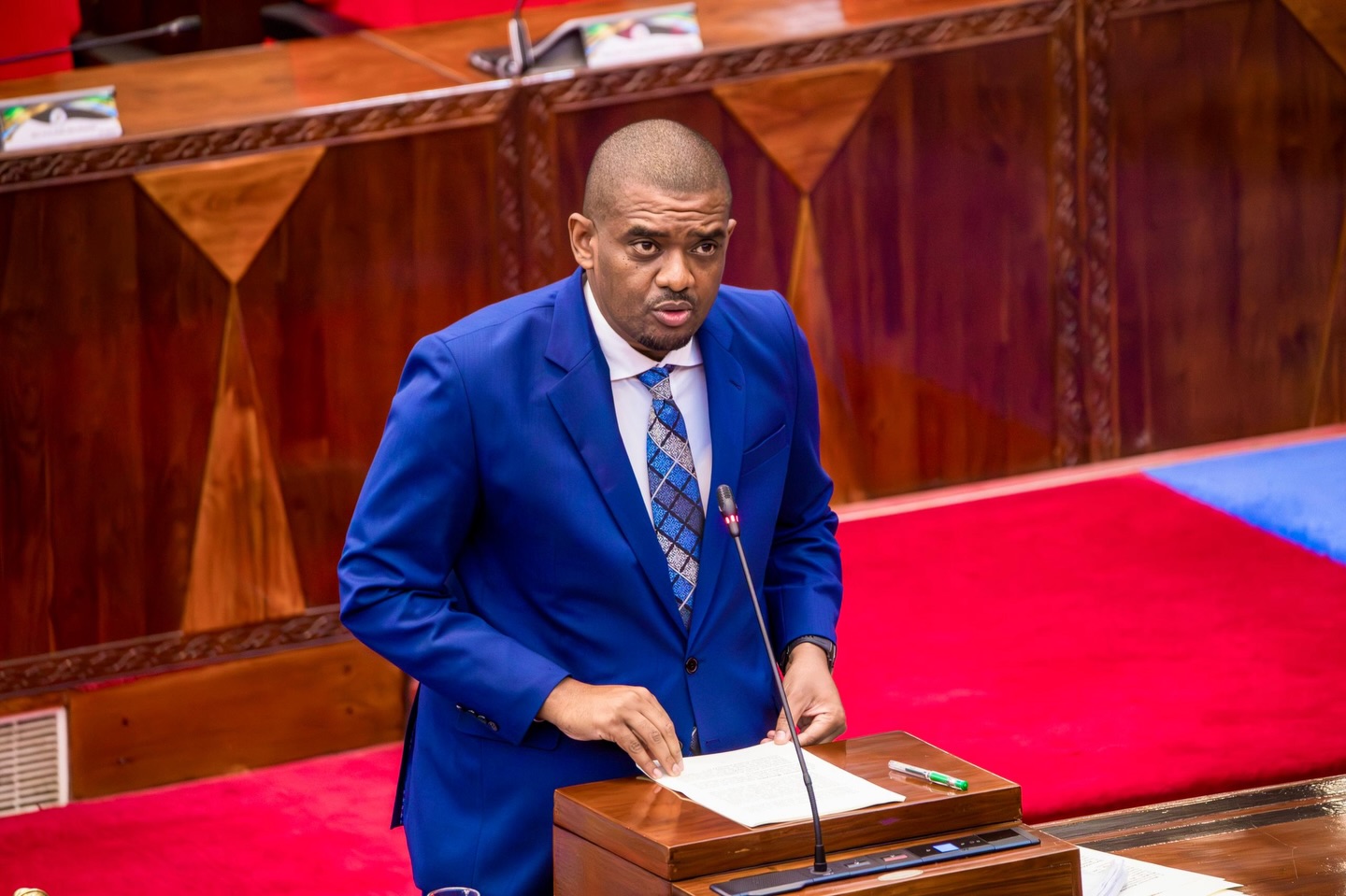
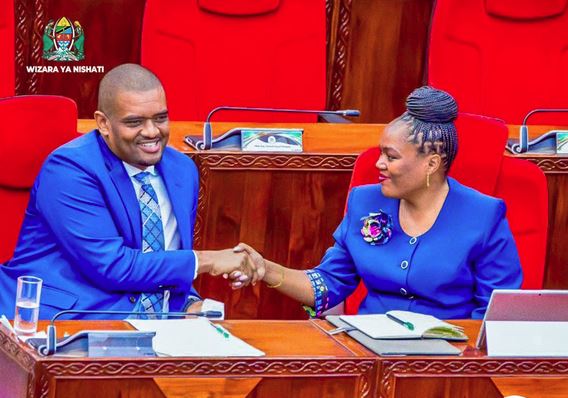
The minister of Energy, Deogratius Ndejembi, said the proposed budget will enable the ministry and its institutions to implement key national priorities designed to improve energy availability and reliability across the country.
“About 97.5 percent of the funds, equivalent to more than Sh2.46 trillion, will finance development projects, while 2.5 percent, or over Sh63 billion, will cover recurrent expenditure including salaries and operational costs,” Mr Ndejembi said.
Mr Ndejembi said the ministry will prioritise strengthening electricity generation, transmission and distribution, including connecting the regions of Rukwa, Kagera, Lindi and Mtwara to the National Grid.
He added that the government will accelerate electricity connections to stimulate economic and social activities, while continuing rehabilitation and maintenance of existing power infrastructure to ensure reliability.
Major electricity projects planned
During the 2026/27 financial year, the government will implement several power generation projects aimed at ensuring the country has adequate and reliable electricity to support industrial growth and social development.
Among the major projects, the government will continue works on the 150-megawatt solar power project in Shinyanga.
Efforts will focus on completing remaining construction works, finishing buildings and preparing the second phase, which includes construction of an additional 100 megawatts of solar capacity.
Construction of the Malagarasi hydropower project will also continue, including development of the main dam, water conveyance structures and power house facilities.
Funds amounting to more than Sh74 billion have been allocated to support these works.
The government will also advance preparations for additional power projects, including feasibility studies and environmental assessments for solar power plants planned in Same and Singida, each expected to produce 100 megawatts.
Preparations for future nuclear energy development will begin, as the government seeks to diversify electricity sources and increase national generation capacity significantly in line with long-term development targets.
In addition, early preparations will continue for the Kikonge hydropower project in Ruvuma Region, including procurement of consultancy services for implementation under a public-private partnership model.
Rural electrification remains central
Rural electrification will remain a major pillar of the ministry’s strategy during the coming financial year.
Through the Rural Energy Agency, the government will continue implementing the Hamlet Electrification Project Phase IIB, which targets electrification of 9,009 hamlets across 25 regions.
The project involves construction of more than 13,000 kilometres of medium-voltage lines and installation of over 8,000 transformers, benefiting an estimated 290,300 initial customers.
The government will also proceed with Phase IIA of the programme, which covers 3,060 hamlets across 204 constituencies, including installation of additional power lines and transformers to support household connections.
Another programme will expand last-mile connectivity to ensure more households gain access to electricity as part of the National Energy Compact implementation.
Overall, the ministry aims to connect about 1.7 million households annually to electricity networks as part of broader national electrification targets.
Grid stabilisation and expansion
Efforts to stabilise the National Grid will continue under the Grid Stabilisation Project, which is intended to ensure reliable electricity supply across regions.
The government will also expand electricity distribution to economic zones, including mining areas, irrigation schemes, industrial zones, schools, water pumps and health facilities.
In addition, fuel stations will be constructed in rural areas to improve access to petroleum products and support transport services in remote communities.
Clean cooking campaign to expand
Promotion of clean cooking energy will receive increased attention during the 2026/27 financial year.
The ministry will continue implementing the National Clean Cooking Strategy for 2024–2034, which aims to increase adoption of modern cooking energy solutions and reduce reliance on traditional biomass fuels.
The programme forms part of a broader national plan targeting a significant increase in clean cooking use across households by 2030.
Oil and gas development to intensify
In the oil and gas subsector, the government will continue activities aimed at ensuring reliable supply of petroleum products and strengthening national energy security.
Planned activities include exploration and development of oil and gas resources in strategic blocks, as well as expansion of infrastructure for storage and transportation of petroleum products.
The government will also continue monitoring global petroleum supply trends to ensure stability of fuel availability within the country.
At the same time, efforts will be directed towards increasing natural gas production through continued exploration and development projects, including gas processing initiatives.
Institutional strengthening and private sector participation
The ministry will also focus on strengthening performance of its agencies, including those responsible for electricity, rural energy and petroleum development.
Efforts will include improving operational efficiency, enhancing governance systems and promoting greater participation of local companies in the energy sector.
Private sector participation will remain critical in financing large-scale energy projects, particularly those implemented under public-private partnership arrangements.

Long-term national targets
The government’s long-term goal remains ensuring sufficient electricity supply to meet domestic demand and generate surplus power for export to neighbouring countries.
Authorities also aim to expand electricity coverage nationwide, improve reliability of supply in both urban and rural areas and increase use of clean energy technologies.
By implementing the proposed programmes, the ministry expects to strengthen energy availability as a foundation for industrial growth, improved public services and broader economic transformation in the coming years.