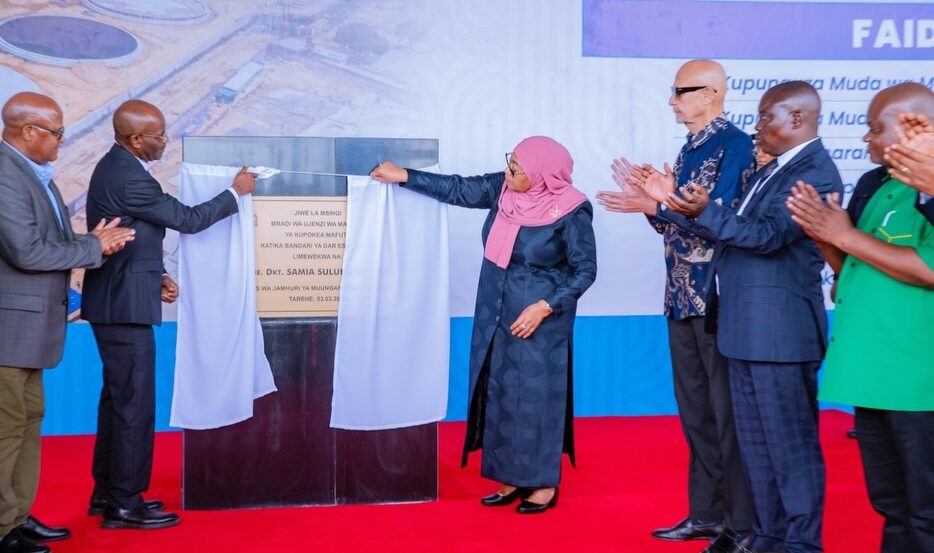

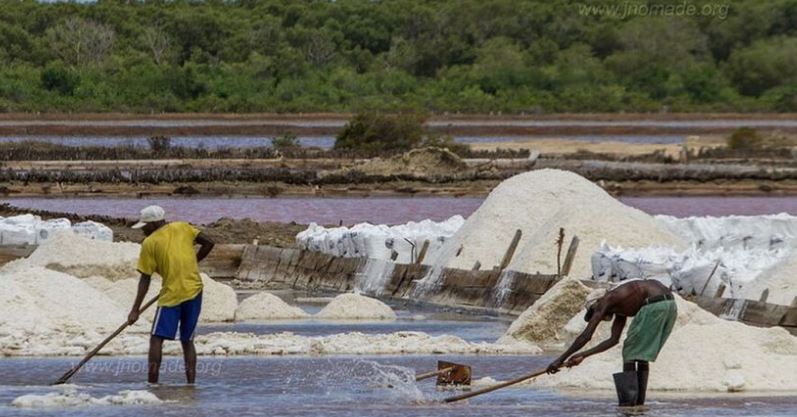
Dodoma. The government is nearing completion of a salt processing factory in Kilwa District, Lindi Region, in a move aimed at strengthening value addition, enhancing quality standards, and expanding opportunities for local producers across the country.
The project is being implemented through the State Mining Corporation (Stamico) as part of wider efforts to modernise the salt industry and support the establishment of additional processing facilities in Tanga and Mtwara regions.
Minister for Minerals, Anthony Mavunde, disclosed the development on April 23, 2026, during a consultative meeting between the Tanzania Salt Producers Association (TASPA) and the ministry of Minerals together with its affiliated institutions.

The meeting took place in Dodoma and focused on addressing challenges facing salt producers and strengthening the sector’s regulatory framework.
Mr Mavunde said the government had taken concrete steps to respond to requests from industry stakeholders, including revising the royalty rate on salt.
He noted that the royalty had been reduced from four percent to one percent of the indicative price, a measure designed to ease the cost burden on producers and encourage increased output.
He added that the government was also working to streamline licensing procedures through the introduction of a single licence for a single salt farm.
The reform is intended to distinguish salt production from other mineral operations while simplifying compliance requirements and boosting the production of high-quality salt.

According to Mr Mavunde, the near completion of the Kilwa processing plant represents a significant milestone in the country’s push to increase local value addition within the mining sector.
He explained that once operational, the facility would enable producers to process raw salt domestically rather than relying on external processing channels.
The Chief Executive Officer of the State Mining Corporation (Stamico), Venance Mwase, said infrastructure development at the factory had reached an advanced stage, with most essential systems already installed.
Dr Mwase noted that the facility would have the capacity to receive raw salt from producers at a rate of between 50 and 60 tonnes per day.
He added that the processing plant had been designed to ensure efficient handling, improved product quality, and compliance with national standards.
Once commissioned, the Lindi salt processing plant is expected to process between 60 and 100 tonnes of salt per day, marking a substantial increase in domestic processing capacity.
Officials believe the development will create new market opportunities for small- and medium-scale salt producers by enabling them to sell processed salt rather than unrefined raw material.
Industry stakeholders have welcomed the progress, describing the factory as a major step towards strengthening the salt value chain and improving profitability for producers.

Chairperson of the Tanzania Salt Producers Association (TASPA), Hawa Ghasia, expressed appreciation to the government for creating a more supportive environment for salt harvesting and trade.
Ms Ghasia noted that recent policy measures, including restrictions on the uncontrolled importation of raw salt, had contributed to stabilising the domestic market and improving price levels for locally produced salt.
She said the measures had encouraged producers to increase output and invest in improving the quality of their products.
She added that the forthcoming processing plant would enable producers to supply refined salt that meets market standards, thereby expanding opportunities in both domestic and regional markets.
The government views the Lindi project as part of a broader strategy to enhance mineral beneficiation across Tanzania.
By promoting local processing and reducing reliance on imported refined salt, authorities aim to strengthen industrial capacity, increase revenue generation, and create employment opportunities in coastal regions where salt production is a key economic activity.

With infrastructure nearing completion and policy reforms already in place, officials expressed optimism that the Kilwa plant would soon begin operations, marking a new phase in the development of Tanzania’s salt industry.