
Dodoma. Tanzania has officially launched the implementation of the Universal Health Insurance (UHI) scheme in a major step aimed at widening access to healthcare services across the country.
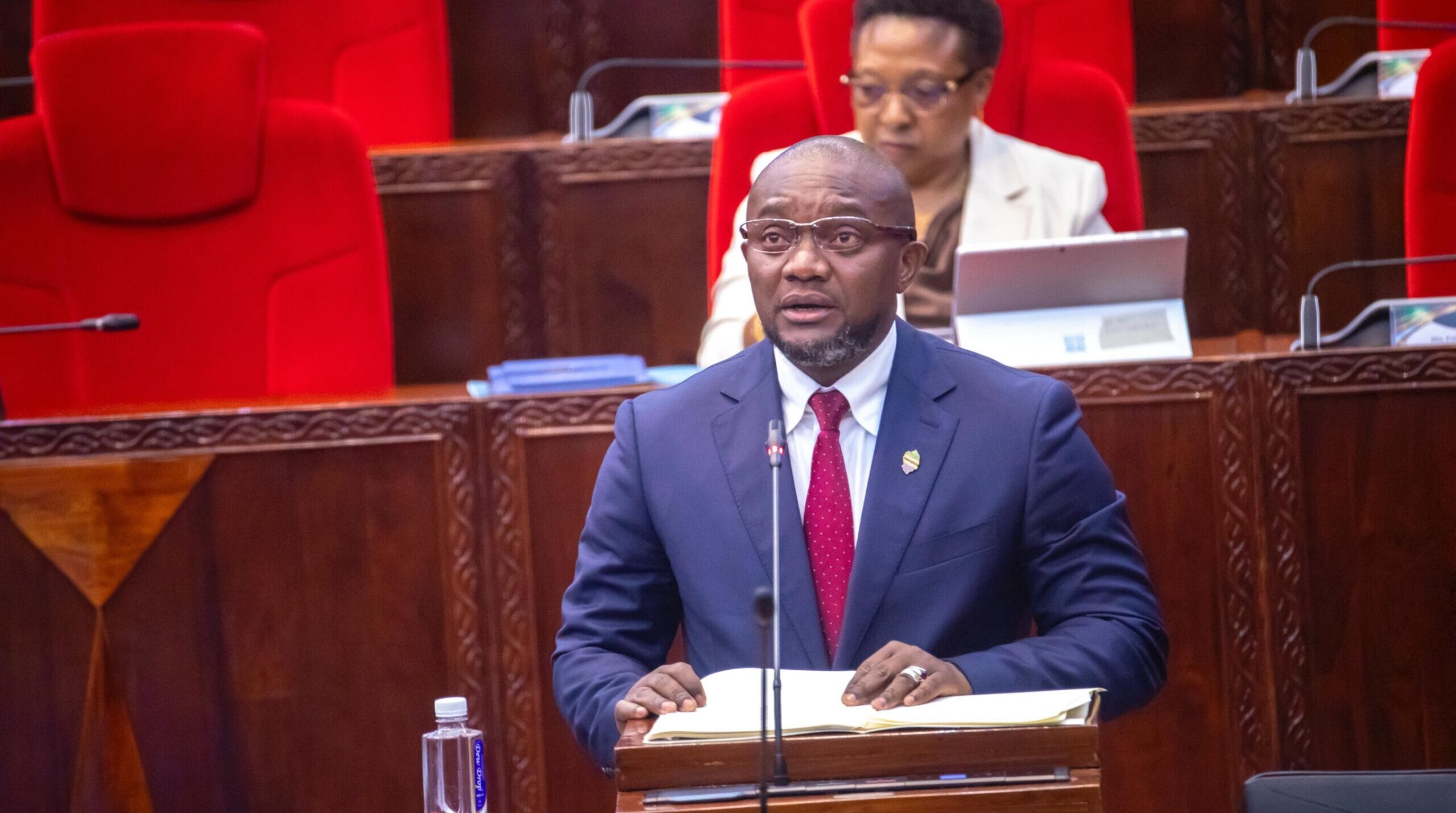
Presenting the Ministry of Health’s budget estimates for the 2026/27 financial year in Parliament on Monday, May 11 the minister for Health, Mohamed Mchengerwa, said the programme seeks to ensure every citizen receives medical treatment without facing financial hardship.
He described the rollout as a transformative phase in the country’s healthcare system.
The initiative is expected to reduce out-of-pocket medical expenses and improve equity in access to treatment.
“The government has already started enrolling vulnerable households into the scheme. An initial Sh48.8 billion has been released to support low-income families,” he noted.
According to Mr Mchengerwa, 172,297 vulnerable households have so far been registered under the programme.
A total of 463,228 beneficiaries are already receiving treatment through accredited health facilities.
Mr Mchengerwa said the government would continue registering vulnerable citizens while also incorporating those able to contribute financially in order to maintain the sustainability of the scheme.
“The goal is to ensure every Tanzanian has access to quality healthcare services without discrimination,” he told Parliament.
The minister also announced a sharp rise in the health sector budget for the coming financial year.
The ministry has requested Sh1.8 trillion for recurrent expenditure and development projects.
Out of the proposed budget, Sh652.2 billion has been allocated for recurrent expenditure while Sh1.15 trillion will finance development activities.
The recurrent budget includes Sh516.3 billion for salaries of ministry employees and hospital staff.
Another Sh135.9 billion has been earmarked for other operational expenses.
For development projects, Sh789.5 billion will come from domestic sources while development partners are expected to contribute Sh358.6 billion.
The ministry also projects to collect about Sh747.2 billion in revenue during the 2026/27 financial year through hospitals and affiliated institutions.
Regional referral hospitals are expected to contribute Sh165.8 billion while national and specialised institutions are projected to generate more than Sh505 billion.
Mr Mchengerwa said the funds would be directed towards improving medical infrastructure, expanding specialised services and increasing the availability of equipment and medicines.
The government is also intensifying efforts to strengthen healthcare standards and professional regulation.
During the reporting period, authorities registered 14,310 health professionals, 3,643 health facilities and 330 pharmacies.
In addition, 654 private health facilities were inspected to ensure compliance with safety and quality standards under the new insurance framework.
Mr Mchengerwa said the government was also increasing investment in domestic pharmaceutical manufacturing to reduce dependence on imported medicines and medical supplies.
He noted that the strategy would strengthen supply chains while creating employment opportunities in the local economy.
Tanzania has also recorded improvements in vaccination coverage. Immunisation rates have increased from 93 per cent to 96 per cent, surpassing the international target of 90 per cent.
The government plans to recruit 8,000 community health workers in the next financial year to strengthen primary healthcare and preventive services, particularly in rural areas.
Authorities are also prioritising the fight against infectious and non-communicable diseases while improving maternal and child healthcare services.
Mr Mchengerwa said the ministry would continue investing in specialist and super-specialist training programmes to reduce the need for patients to seek treatment abroad.
The government is further expanding the use of Information and Communication Technology in the health sector, including integrated health information systems, e-health services and artificial intelligence applications aimed at improving diagnosis and service delivery.
He said the reforms were intended to build a resilient and inclusive healthcare system capable of delivering safe, timely and affordable services to all Tanzanians.