
Dar es Salaam. The government has said Tanzania generates between 12 million and 17 million tonnes of solid waste annually, with only a small proportion of the waste being recycled, raising concerns over mounting environmental pressure and the long-term impact of climate change.
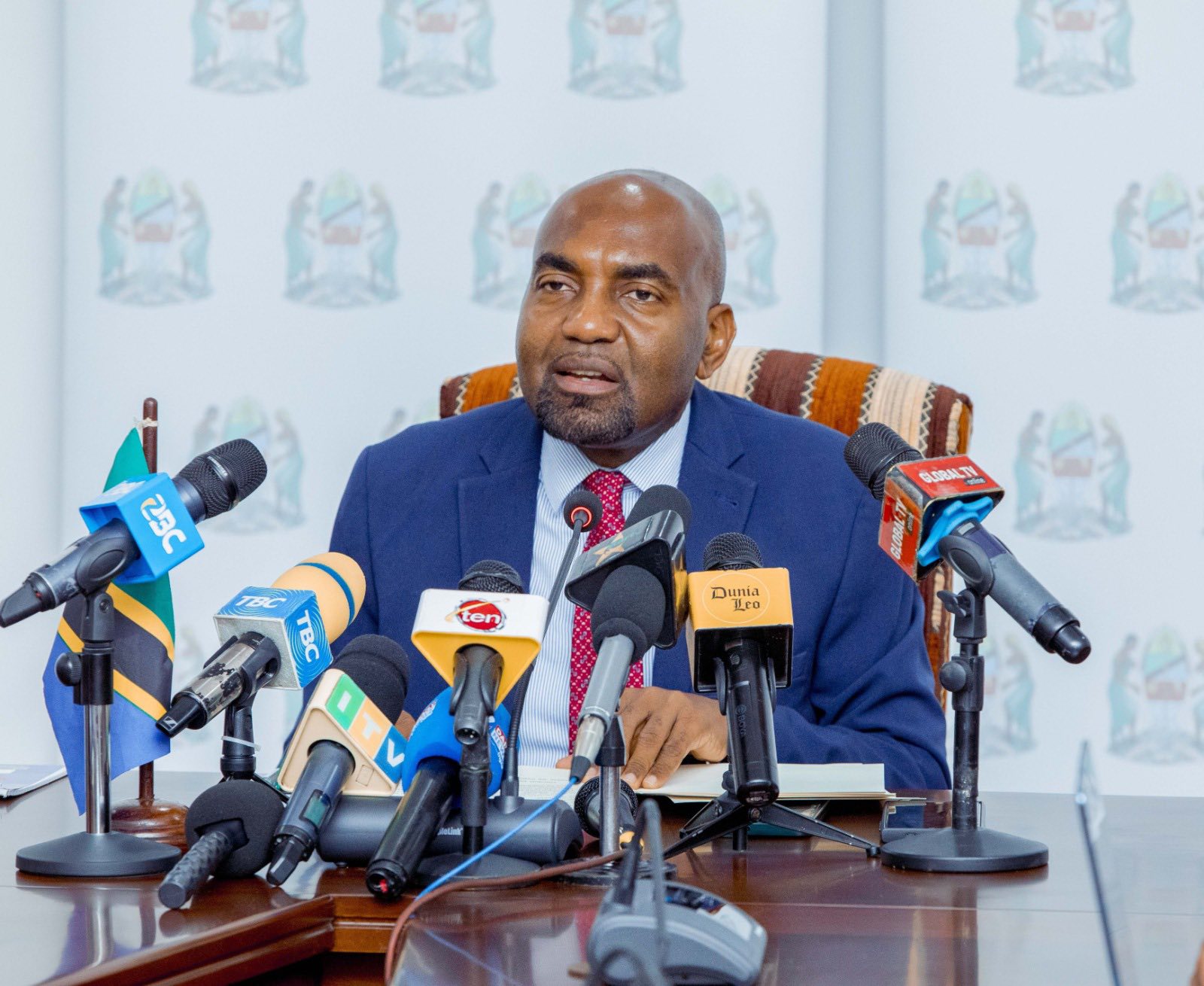
The minister of State in the Vice President’s Office (Union and Environment), Hamad Yussuf Masauni, disclosed the figures on May 11, 2026 while issuing a government statement on preparations for this year’s World Environment Day commemorations in Dar es Salaam.
He warned that solid waste generation is projected to rise sharply to between 30 million and 60 million tonnes annually by 2050 as urbanisation, industrial growth and population expansion continue to intensify across the country.
According to the minister, between 60 percent and 75 percent of the projected waste will comprise biodegradable materials, while 10 percent to 15 percent will consist of recyclable waste.
Mr Masauni said the growing waste burden calls for urgent action from both the government and the public to strengthen environmental conservation and climate resilience measures.
“Every Tanzanian should act now to ensure that the development we are achieving does not harm the environment and the lives of future generations,” he said while addressing journalists at the Vice President’s Office in Luthuli, Dar es Salaam.
He added that the country must demonstrate firm commitment through practical measures aimed at environmental conservation and addressing climate change.
The minister said the government continues to intensify environmental protection efforts through the 2021 National Environmental Policy and its implementation strategy.
He said ongoing initiatives include sustained tree-planting campaigns, the promotion of clean and renewable energy and wider adoption of clean cooking energy technologies.
Mr Masauni also noted that Tanzania is preparing to officially begin implementing the National Development Vision 2050, whose third pillar focuses on environmental conservation and climate change resilience.
He said the government views environmental sustainability as a critical component of the country’s long-term economic and social development agenda.
World Environment Day commemorations will culminate on June 5, 2026, with the government encouraging citizens to participate in various activities aimed at promoting environmental protection and public awareness.
These activities include tree planting, environmental clean-up exercises and accelerated use of clean cooking energy solutions.
Mr Masauni said national leaders and members of the public will participate in demonstration activities in several major cities, including Arusha, Dar es Salaam, Dodoma, Mbeya, Mwanza and Tanga.
The government has increasingly placed environmental protection at the centre of policy discussions as Tanzania faces rising threats linked to climate change, deforestation, pollution and rapid urban growth.