
Dar es Salaam. Sometimes a new coach inherits far more than a football team.
He inherits expectations, pressure and the burden of maintaining success.
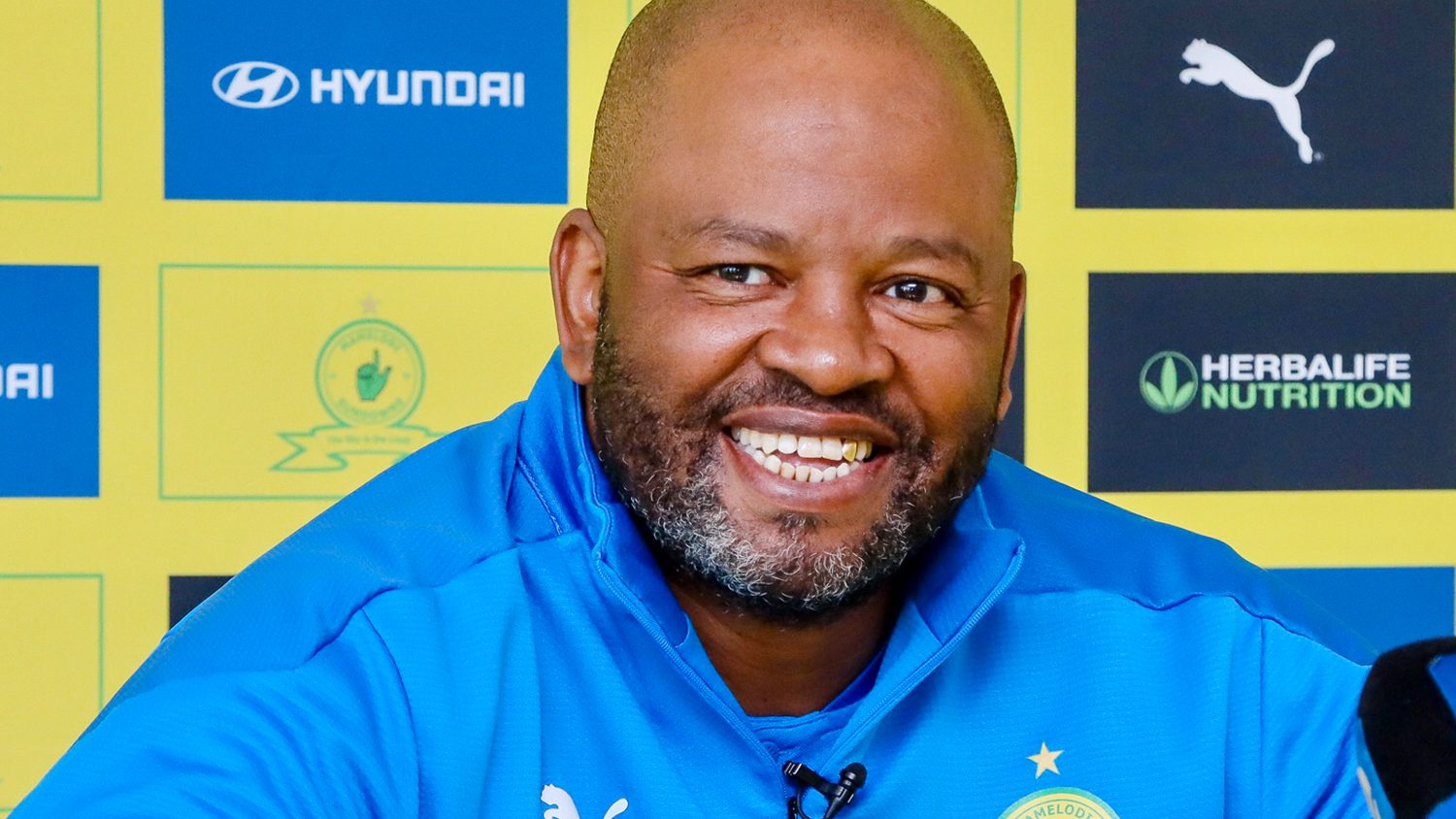
That is exactly the situation facing Manqoba Mngqithi, who was unveiled as Young Africans (Yanga) head coach just a few days ago.
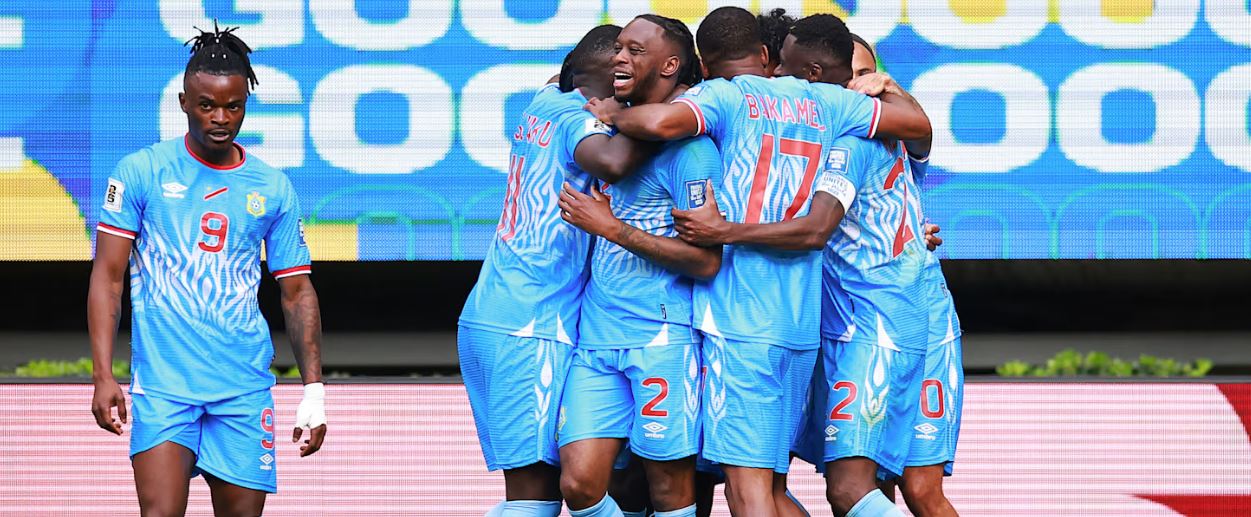
The South African tactician arrives in Dar es Salaam with Yanga still reigning as Tanzanian champions, but also at a time when the club is undergoing significant changes to its squad while expectations from supporters have never been higher.
From the outside, it appears he has taken charge of a trophy-winning side.
Behind the scenes, however, he is stepping into a dressing room that is being rebuilt, with key players departing, others struggling with injuries, new signings arriving and a new season fast approaching.
African football rarely gives coaches the luxury of six months to settle in.
Results are expected from the opening match, meaning Mngqithi will have plenty on his mind as he prepares for pre-season.
Here are the seven biggest challenges awaiting him.
Building a new Yanga
Mngqithi’s first task will be assembling a new-look squad in record time.
Everything suggests Yanga will be among the busiest clubs during this transfer window, with several foreign players expected to arrive while others head for the exit.
Prince Dube has already departed, Pacome Zouzoua is no longer part of the club’s plans, while Frank Assinki, Mohamed Damaro, Lassine Kouma and Chadrack Boka have all been linked with moves away.
That means Mngqithi will not begin with an established squad.
Instead, he must quickly assess new players, build chemistry and implement his football philosophy within a very limited timeframe.
For any coach, that represents a considerable challenge.
There is no time to wait
If there is one lesson Mngqithi must learn immediately, it is that time is a luxury he simply will not have.
Tanzanian football, particularly at Yanga and Simba, is not known for giving coaches long periods to build patiently.
Results are the only currency that matters.
Supporters have little interest in hearing about “projects”, “rebuilding phases” or “long-term plans”.
They expect victories from day one, attractive football and clear signs that silverware is on the way.
Two or three consecutive poor results can dramatically alter the mood around the club far quicker than any tactical adjustment.
Many respected coaches have discovered this reality, including Romain Folz.
Others arrived with impressive reputations but never had the opportunity to fully implement their ideas because early results went against them.
Mngqithi’s situation is even more demanding because he joins during a major squad overhaul.
He needs time to integrate new players and establish his identity, yet the fixture schedule will not wait.
His greatest challenge, therefore, will not simply be coaching, it will be winning while simultaneously rebuilding the team.
That is the burden every coach at a major African club must carry.
Restoring Yanga’s best version
Although Yanga won the league title last season, many supporters felt the team never reached the standards set during Miguel Gamondi’s reign.
That Yanga side overwhelmed opponents with relentless attacking football, scored freely and dominated matches from start to finish.
Supporters want those performances back.
Mngqithi’s task is therefore about more than collecting victories.
He must also produce an exciting brand of football capable of entertaining fans while delivering results.
Replacing Pacome’s influence
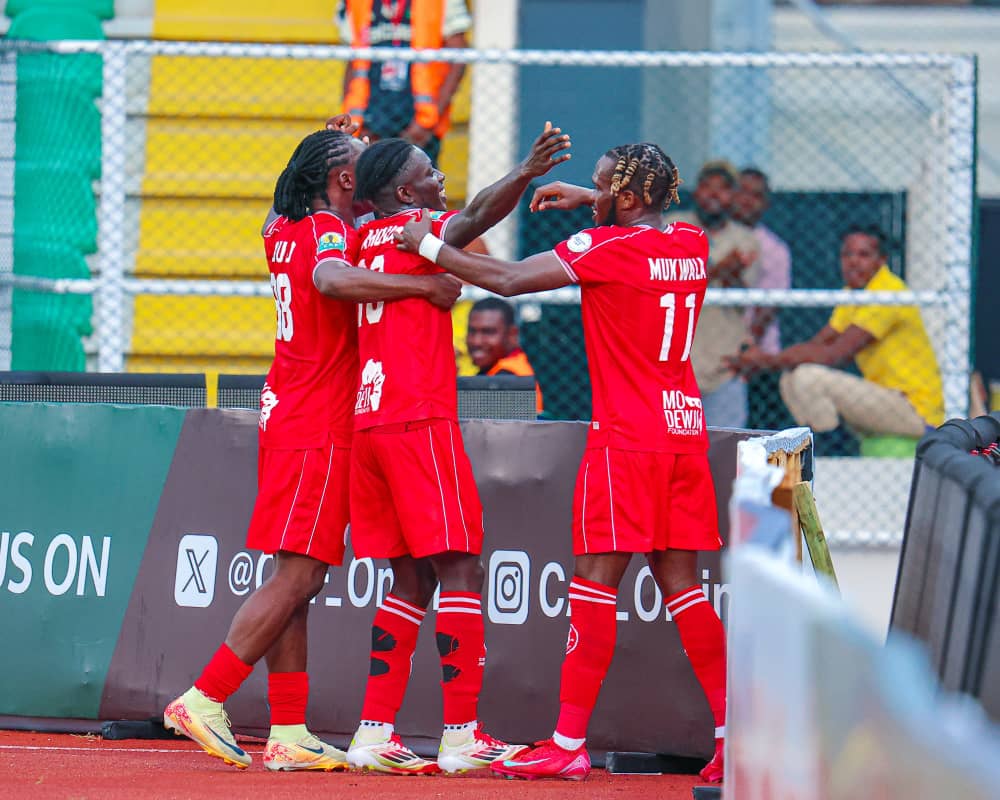
There is little debate that over the past three seasons, Pacome Zouzoua became the heartbeat of Yanga’s attack, scoring 29 goals while creating countless opportunities.
Virtually every dangerous attacking move passed through him, meaning his absence could significantly alter the team’s tactical structure.
Maxi Nzengeli and Mudathir Yahaya possess the quality to shoulder greater responsibility, but neither offers exactly the same profile as Pacome.
Mngqithi must therefore develop a new attacking system that relies less on one outstanding individual and more on collective efficiency.
The Simba challenge
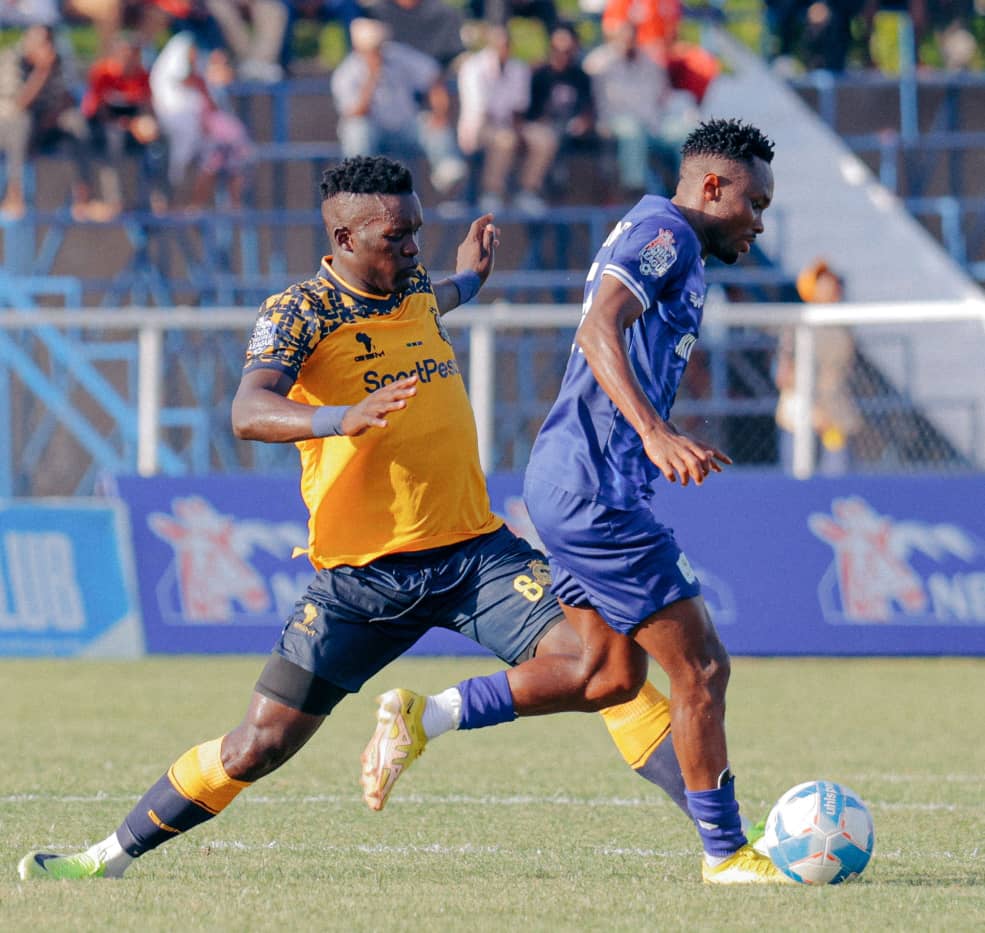
Nothing will test Mngqithi more quickly than Yanga’s rivalry with Simba.
He joins at a time when their traditional rivals appear to be rediscovering their identity after several inconsistent seasons.
Under fellow South African Steve Barker, Simba have developed a fresh style of play, regained their competitive edge and lifted the CRDB Federation Cup after a four-year wait.
That makes next season’s Kariakoo Derby even more significant.
For Yanga, the objective is to protect the domestic dominance established over the past five seasons. For Simba, it is an opportunity to prove they are genuine contenders once again.
Every derby will therefore represent far more than three league points.
It will serve as a measuring stick for coaching quality, recruitment success and each club’s championship credentials.
Historically, derby results have either strengthened or weakened supporters’ confidence in a coach, regardless of how early the season may be.
A battle between two South African coaches
Beyond the race for trophies, Mngqithi also enters a fascinating personal rivalry with Steve Barker.
For the first time in recent Tanzanian football history, the country’s two biggest clubs are managed by South African coaches, adding another compelling dimension to their rivalry.
While each coach will naturally focus on his own club, supporters and analysts will inevitably view this as a battle between two South African football philosophies.
Comparisons will be unavoidable.
Every Barker victory will prompt questions about Mngqithi. Every Mngqithi triumph will increase the pressure on Barker.
Their statistics, tactical approaches and head-to-head record will all come under close scrutiny, with every derby treated as a contest to determine who the superior coach is.
Protecting Yanga’s dynasty
Perhaps Mngqithi’s greatest responsibility is ensuring Yanga remain the dominant force in Tanzanian football after winning five consecutive Premier League titles.
Sustaining success over several seasons is what separates elite coaches from ordinary ones.
The difficulty lies in the fact that he inherits a team in transition.
Several players who formed the backbone of Yanga’s recent dominance have already left, others could follow, while injuries and declining form have also become factors.
His task is to build a new foundation without weakening the winning culture already established at the club.
Ultimately, Mngqithi’s success will not be judged by the number of new signings he makes or the tactical system he adopts.