
Dar es Salaam. Tanzania has set an ambitious target of generating 130 megawatts of geothermal power by 2030 as part of broader efforts to diversify its energy mix, strengthen energy security and accelerate the transition to renewable sources.
The Minister for Energy, Mr Deogratius Ndejembi, said the country is intensifying geothermal exploration activities, particularly around Lake Ngozi in Rungwe District, Mbeya Region, to unlock the vast potential of this largely untapped resource.
Geothermal energy, which harnesses heat from beneath the earth’s surface, is regarded as a reliable and sustainable source of baseload power.
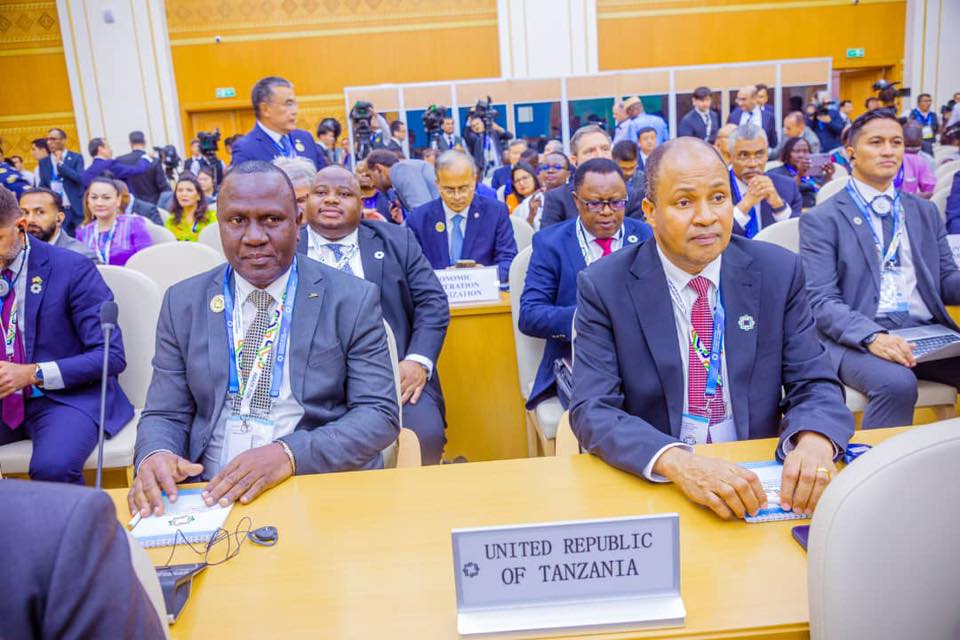
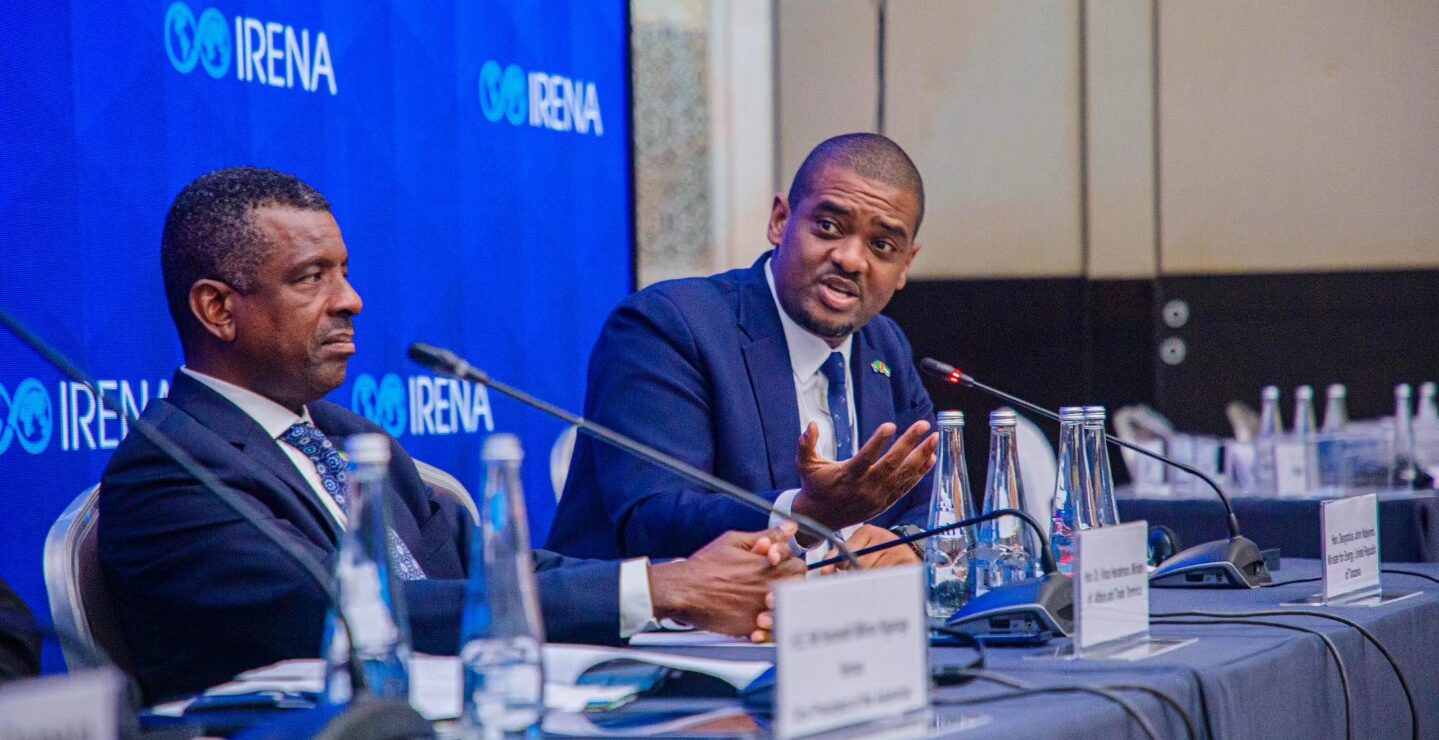
Mr Ndejembi made the remarks on January 11, 2026, in Abu Dhabi, United Arab Emirates, during a high-level discussion organised by the International Renewable Energy Agency (IRENA).
The session focused on the role of geothermal energy in electricity generation as well as its wider applications in agriculture, fisheries, industry and tourism.
He said Tanzania views geothermal energy as a strategic complement to existing power sources such as hydropower and natural gas, particularly in the context of climate variability and growing electricity demand driven by industrialisation and population growth.
“Despite the challenges associated with the early stages of geothermal exploration, Tanzania is pressing ahead with research activities, especially in the Lake Ngozi area. Our overall plan is to generate about 130 megawatts of geothermal power by 2030,” Mr Ndejembi said.
Beyond geothermal energy, the minister noted that Tanzania is also expanding other renewable sources, including solar and wind power. He cited the ongoing Kishapu solar power project, which is expected to generate 150 megawatts and feed it into the national grid, significantly boosting clean energy capacity.
Mr Ndejembi called on the private sector and development partners to work closely with the government, particularly during the costly and technically demanding exploration phase of geothermal development.
He said preliminary assessments indicate that Tanzania has about 52 geothermal sites with a combined potential of up to 5,000 megawatts, placing the country among those with substantial geothermal prospects in Africa.
Meanwhile, the World Bank has expressed strong interest in supporting Tanzania’s geothermal ambitions.
The Bank’s Global Director for Energy and Extractives, Dr Demetrios Papathanasiou, said the institution is ready to finance exploration and development stages to help geothermal energy play a more prominent role in the country’s power generation mix, alongside hydropower and natural gas.
The IRENA meetings brought together policymakers, financiers and energy experts from around the world to share experiences and mobilise investment in renewable energy.
Mr Ndejembi was accompanied by Tanzania’s Acting Ambassador to the UAE, Mr Bakari Ameir, Assistant Commissioner for Renewable Energy Imani Mruma, and other technical experts from the Ministry of Energy.
Tanzania’s geothermal drive forms part of its long-term strategy to ensure sustainable, affordable and resilient energy supplies in support of economic growth and industrial development.