

Dodoma. The Tanzanian government is poised to finalise a landmark mining agreement early next month, a move expected to mark a decisive turning point for the country’s extractive sector and its long-stated ambition to industrialise through natural resources.
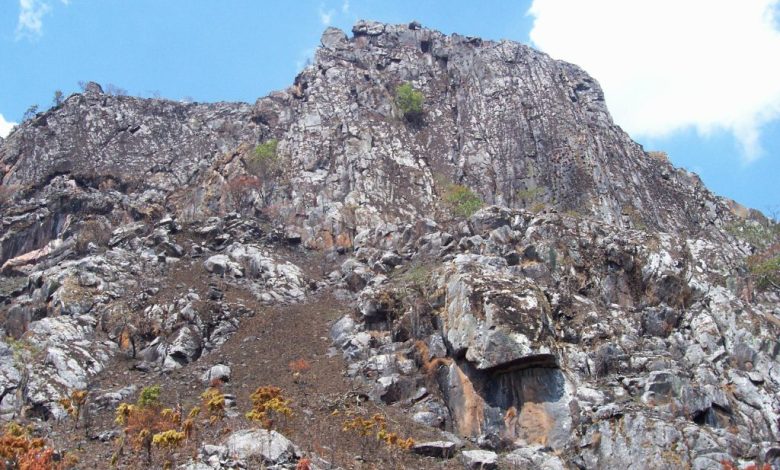
The agreement centres on the development of the Panda Hill deposit in the Songwe Valley of Mbeya Region, an area that has for decades attracted interest from international mining firms.
Panda Hill is widely regarded as one of the world’s largest undeveloped niobium deposits, placing Tanzania in a potentially strategic position within a niche but high-value segment of the global minerals market.
With projected capital expenditure exceeding Sh1 trillion, the project is among the most significant mining investments currently in the pipeline.
It comes at a time when the government is seeking to balance investor confidence with tighter state oversight, following sweeping reforms introduced in recent years to raise public revenues and strengthen national control over strategic resources.
Addressing a press briefing in Dodoma on January 27, the Minister for Minerals, Mr Anthony Mavunde, said the agreement forms part of the 100-day performance commitments announced by President Samia Suluhu Hassan at the start of her latest term.
He described the project as a practical demonstration of the administration’s resolve to move beyond policy statements and deliver large-scale investments capable of reshaping the economy.
Crucially, Mr Mavunde noted that the pact goes well beyond conventional mining arrangements focused solely on extraction and export.
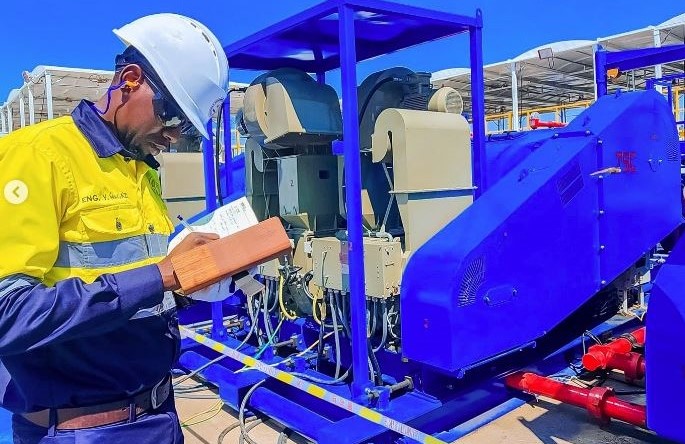
“A critical component of the deal involves the construction of a domestic smelting and value-addition plant. This facility will process raw ore into ferro-niobium, an essential alloy used to enhance the strength and heat resistance of steel, primarily for the aerospace and automotive industries,” he said.
Niobium, though little known outside industrial circles, is a strategic mineral used to produce high-performance steels for pipelines, aircraft, vehicles and infrastructure. At present, global supply is heavily concentrated, with Brazil dominating production.
Tanzanian officials argue that developing Panda Hill could diversify supply chains while positioning the country as a serious player in advanced industrial inputs.
The emphasis on local processing reflects Tanzania’s broader mineral value-addition policy, which has gained momentum over the past decade.
Successive governments have argued that exporting raw concentrates deprives the country of jobs, skills transfer and downstream industries, a pattern they are now seeking to reverse through smelters, refineries and manufacturing linkages.
If implemented as planned, the project could help transform Mbeya Region into a specialised industrial hub, anchoring related infrastructure, logistics and skills development.
It also aligns with the government’s wider industrialisation drive under the Third Five Year Development Plan, which prioritises mining, manufacturing and energy as key growth pillars.
While the final terms of the agreement are yet to be disclosed, analysts say its successful execution will be closely watched as a test case for Tanzania’s evolving approach to resource-led development, one that aims to reconcile long-term national interests with the realities of attracting and retaining large-scale foreign investment.